Packaging concepts. Materials, dimensions and fit are confirmed through sampling.
Not sure where to start? Compare four packaging families
Start with the job and opening style, then compare colors and finishes. A material name alone does not establish load capacity, transit protection or food-contact suitability.
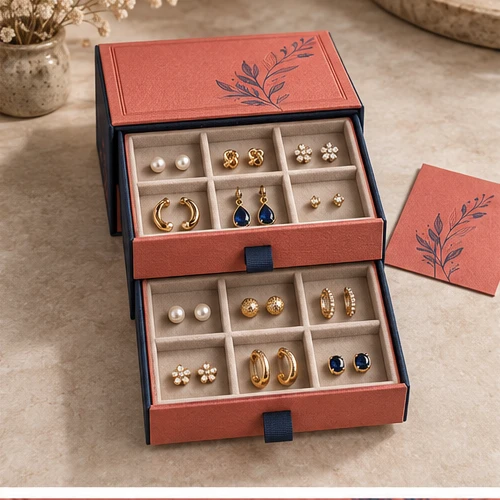
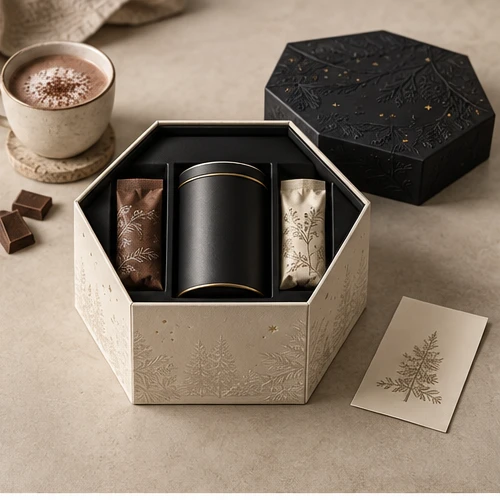
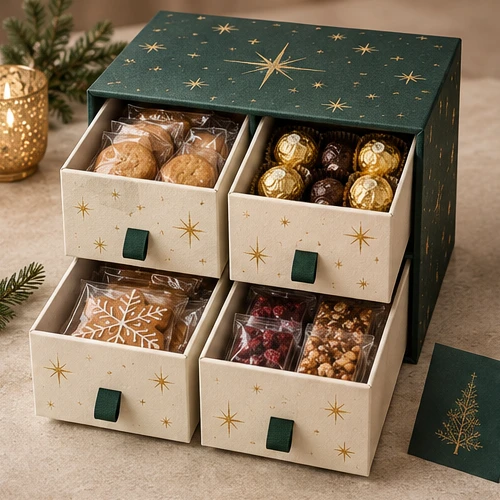
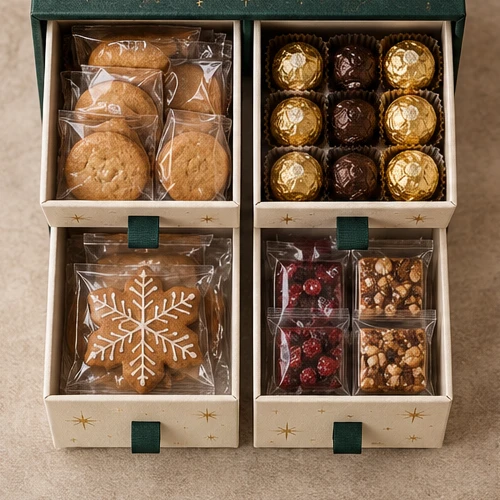
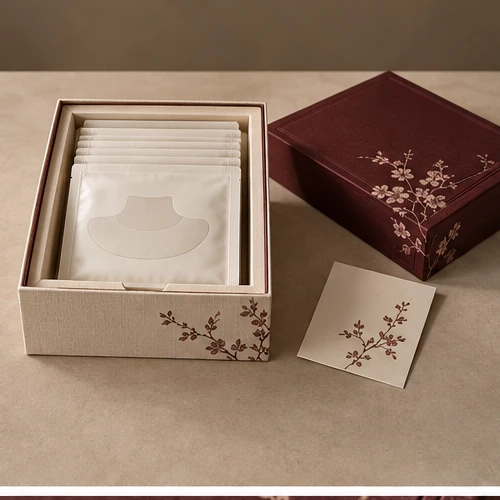
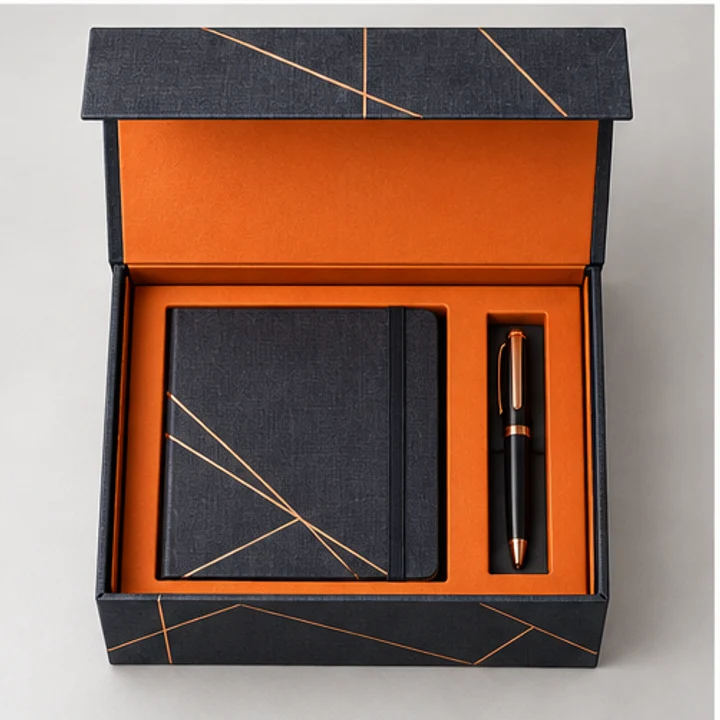
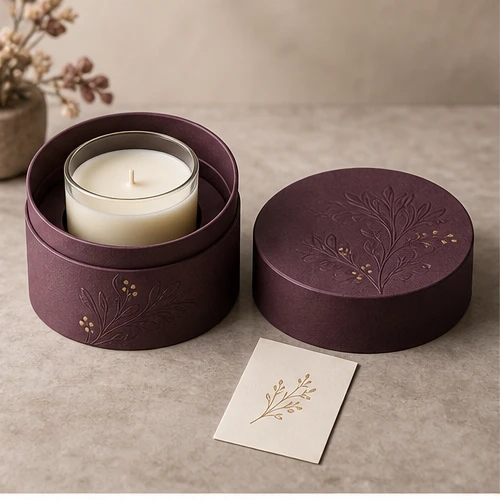
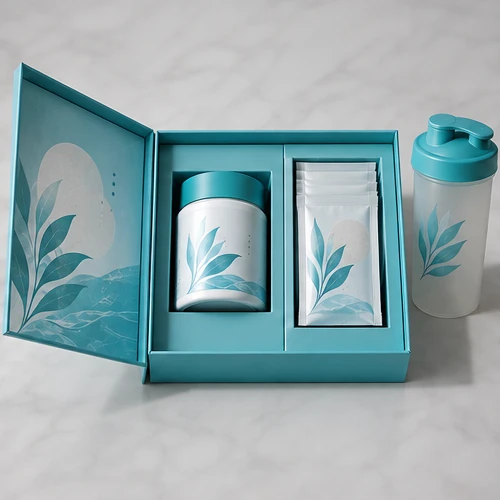
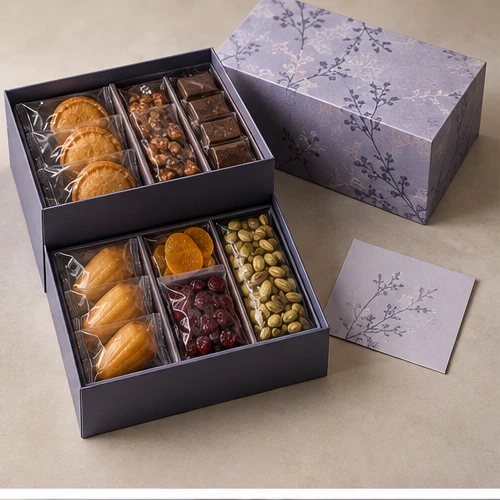
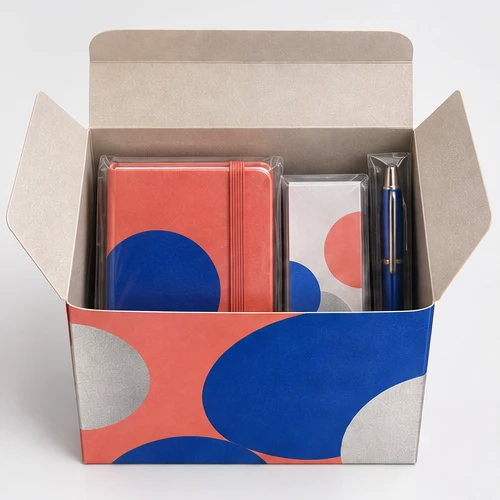
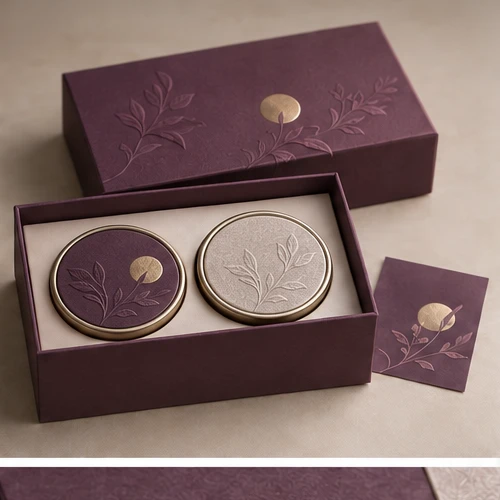
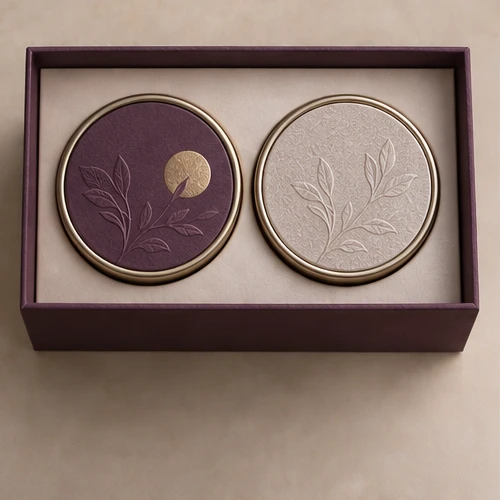
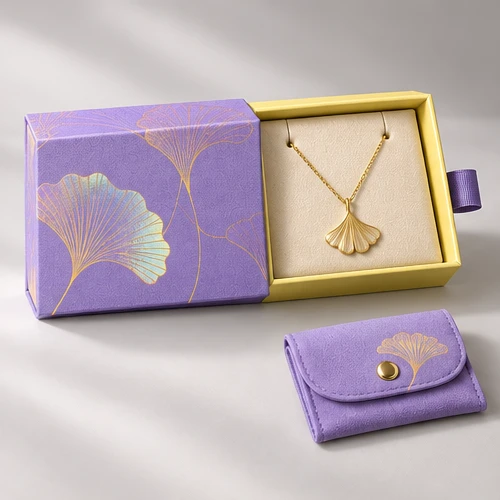
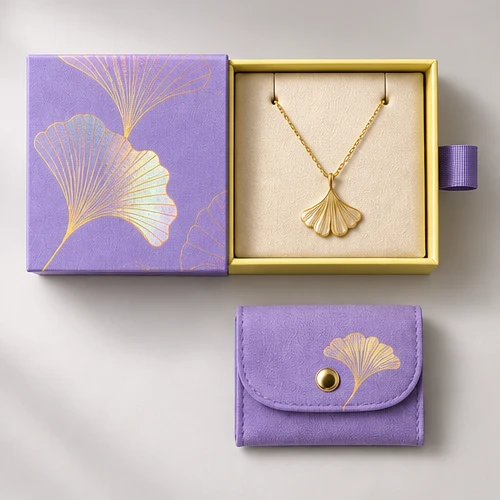
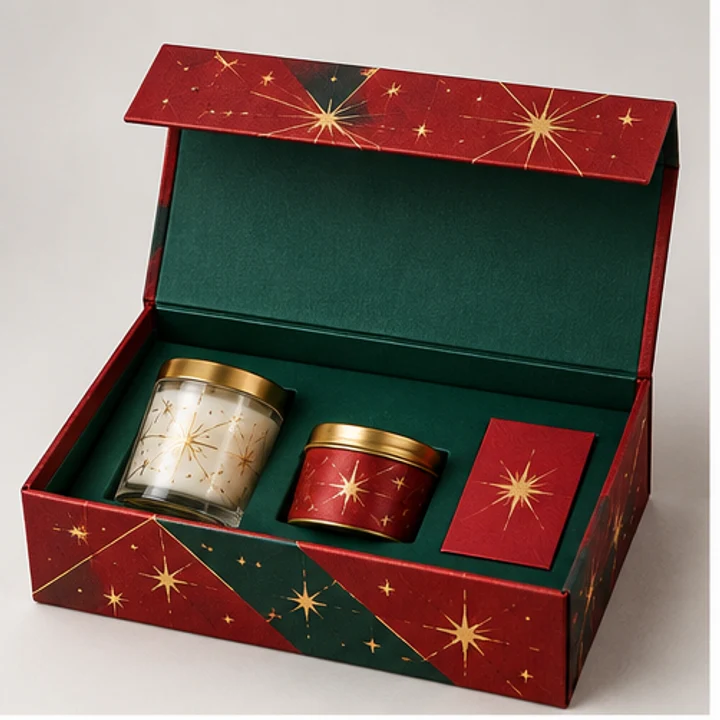
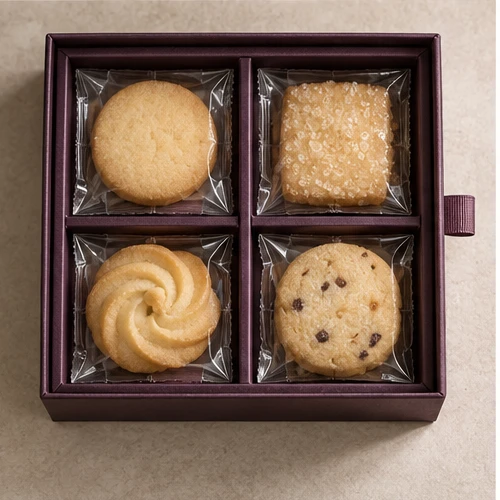
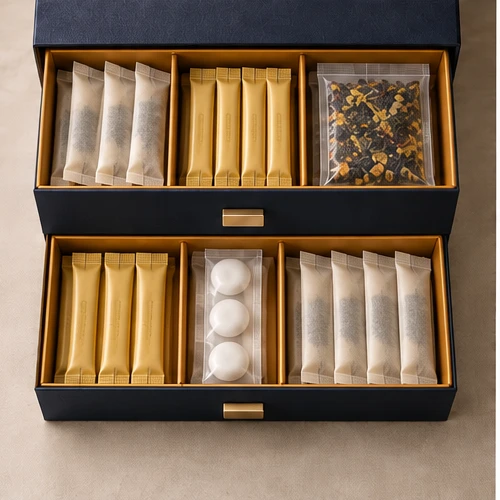
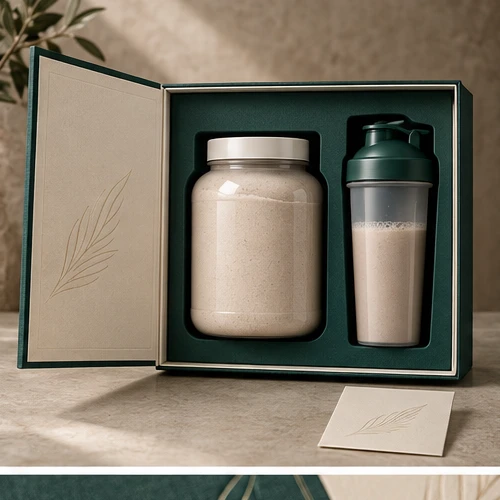
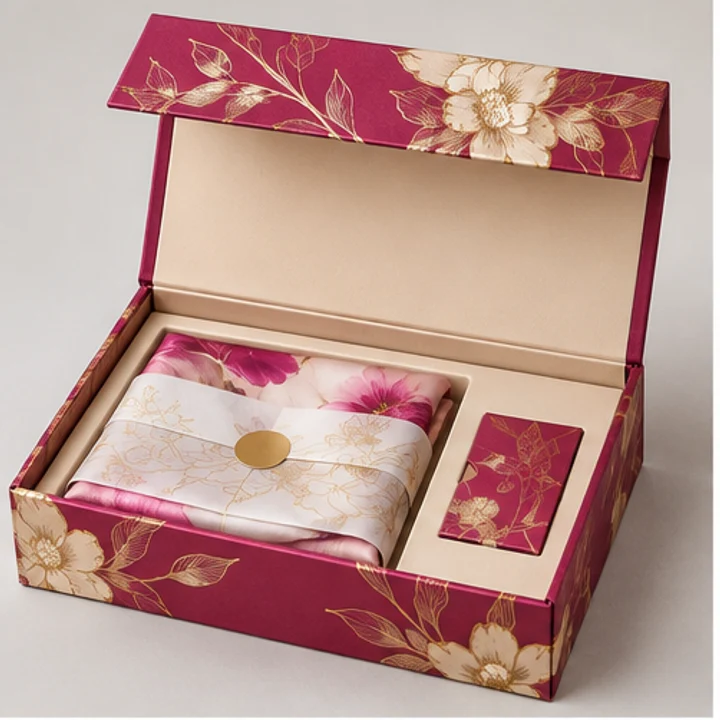
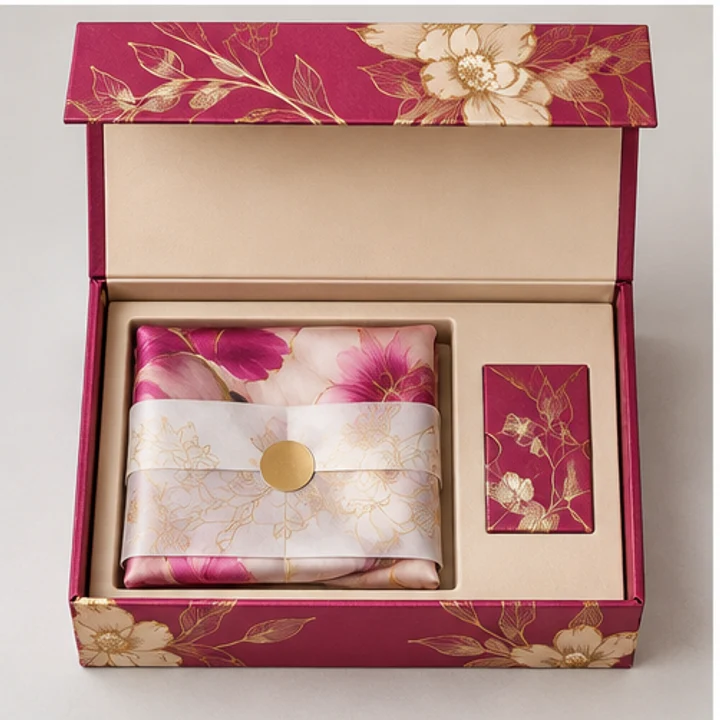
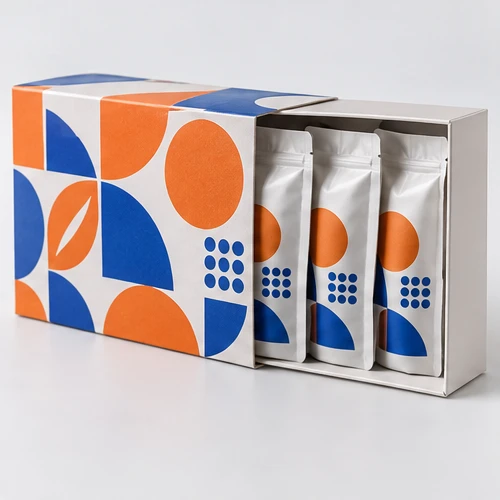
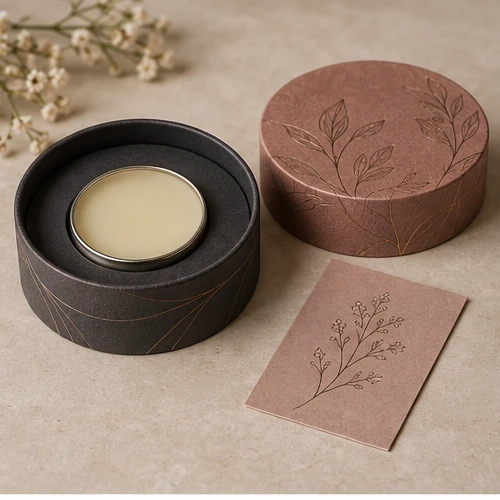
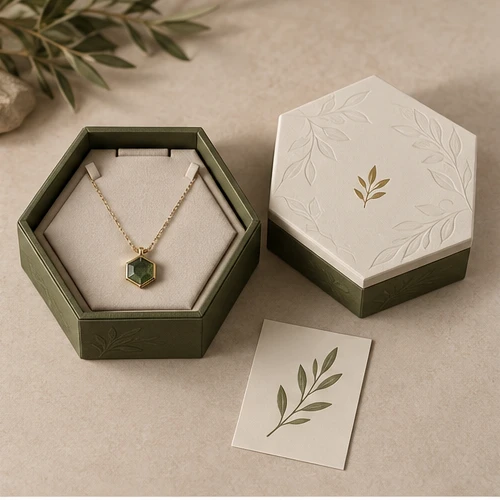
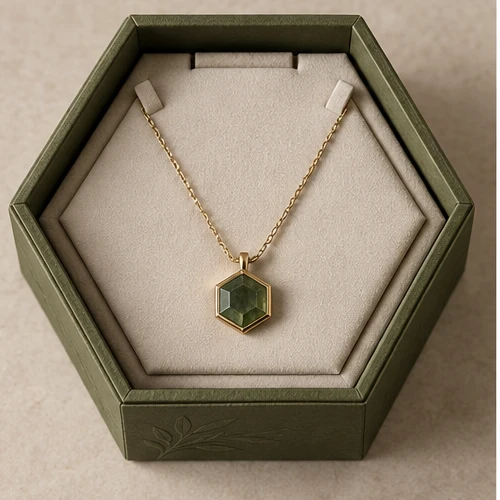
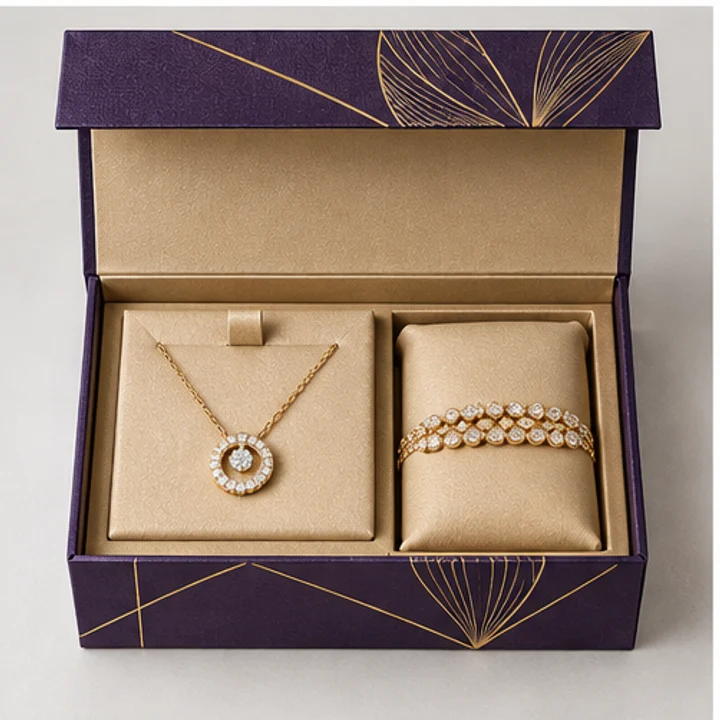
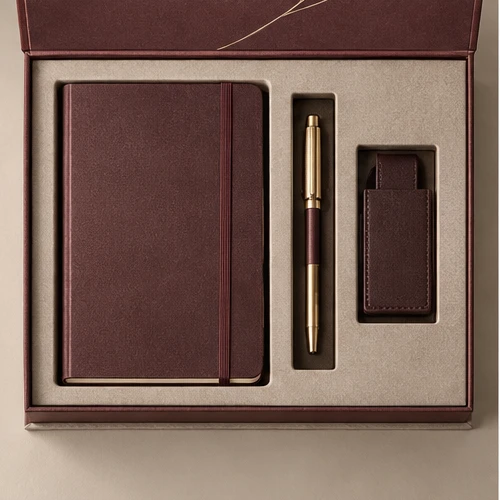
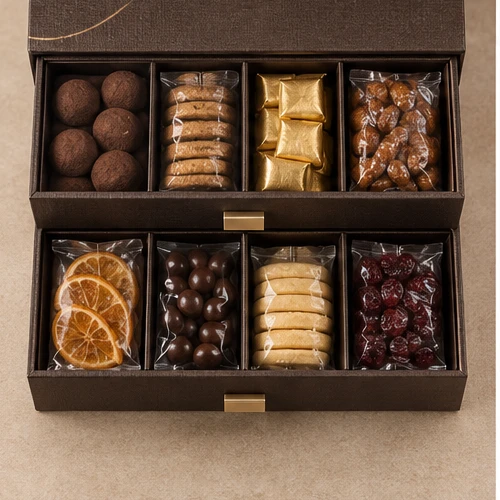
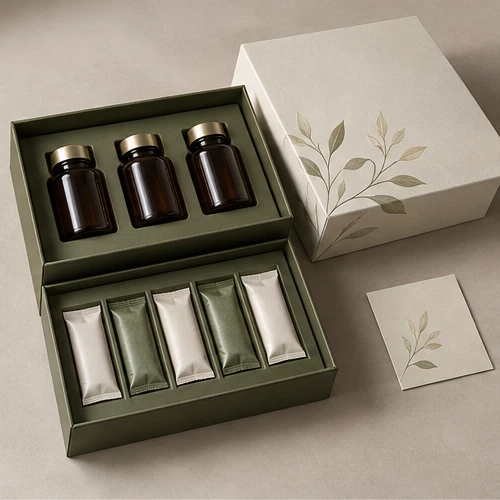
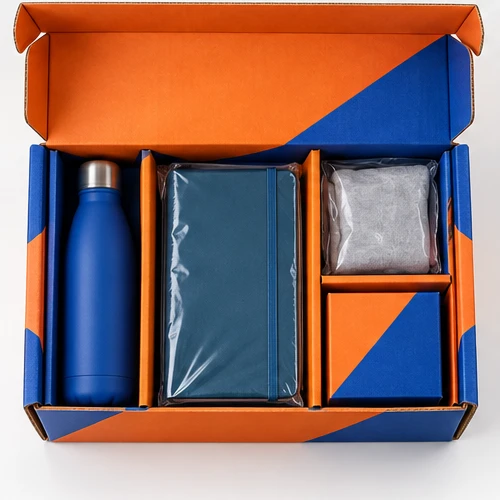
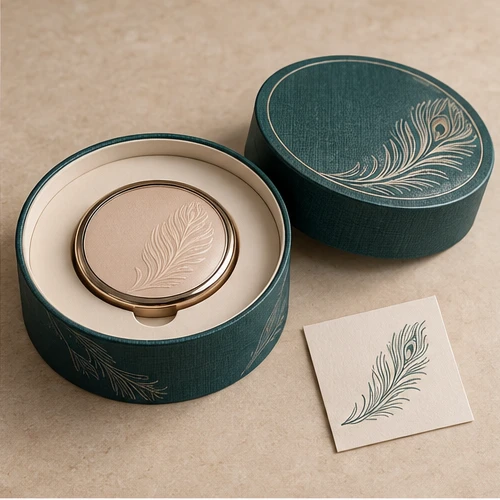
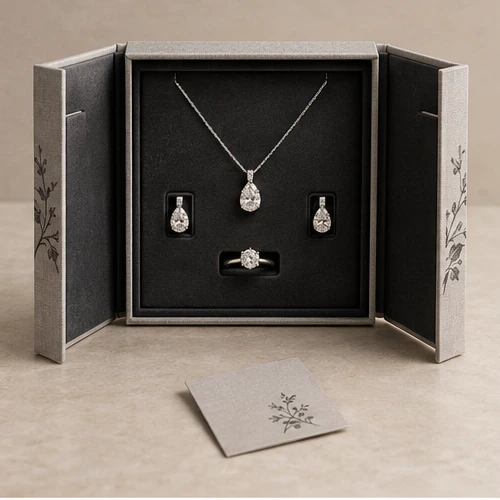
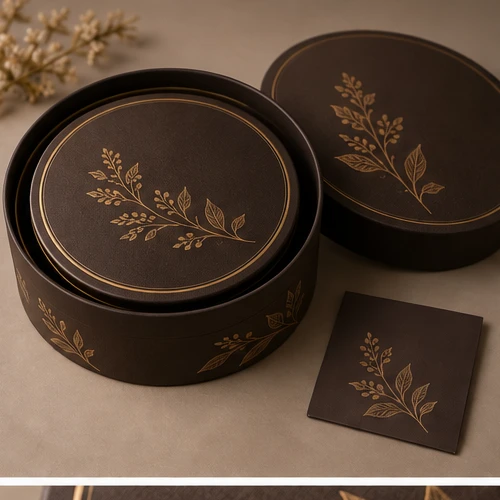
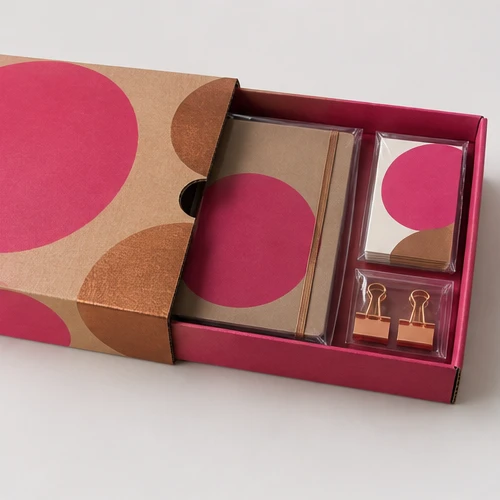
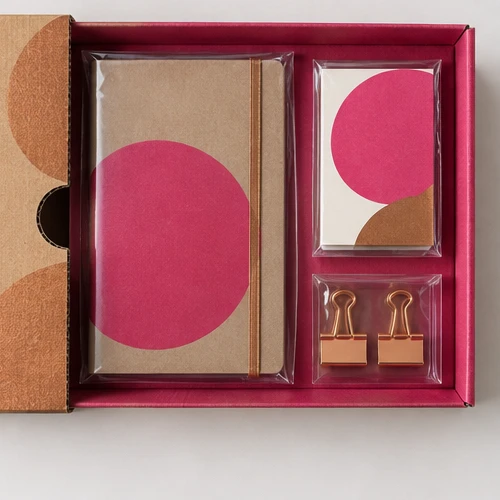
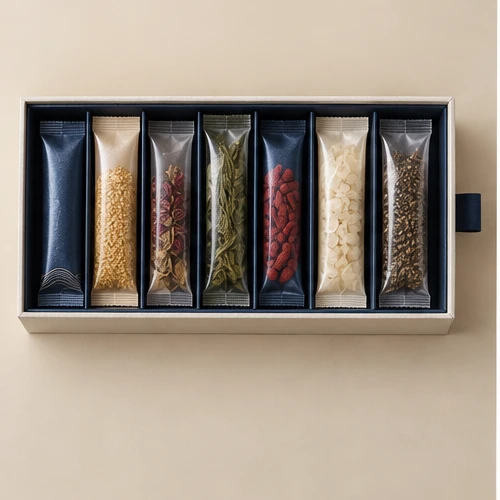
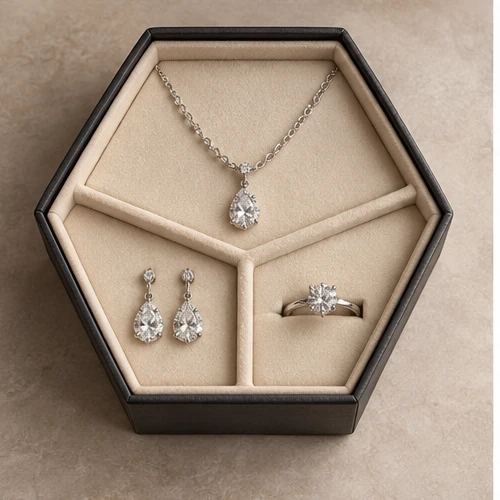
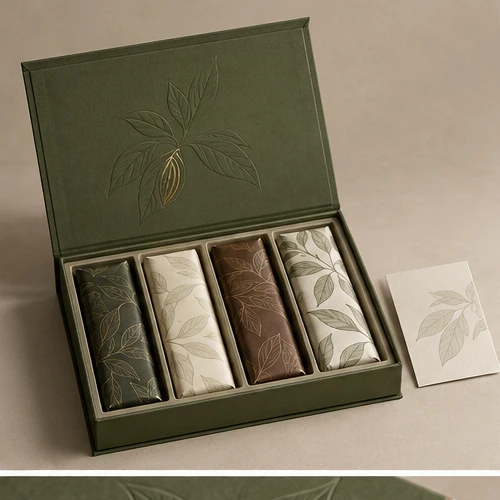
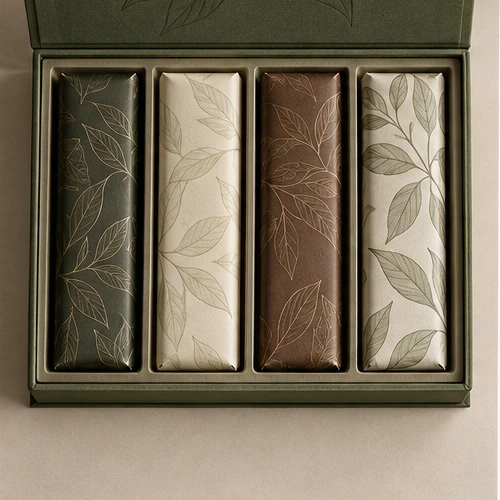
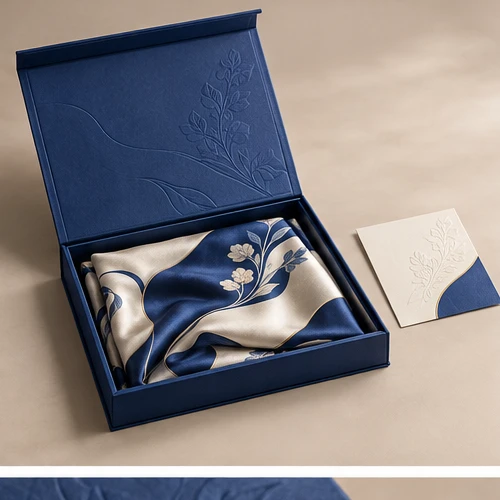
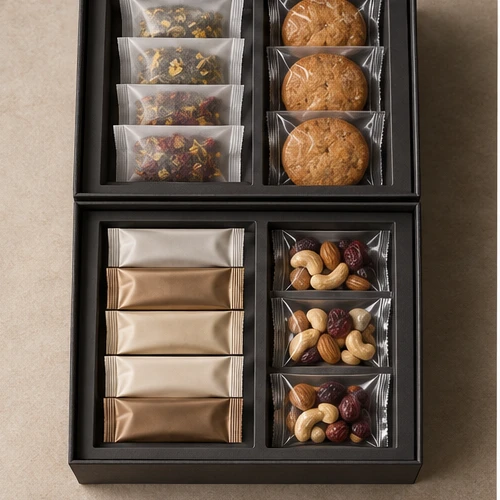
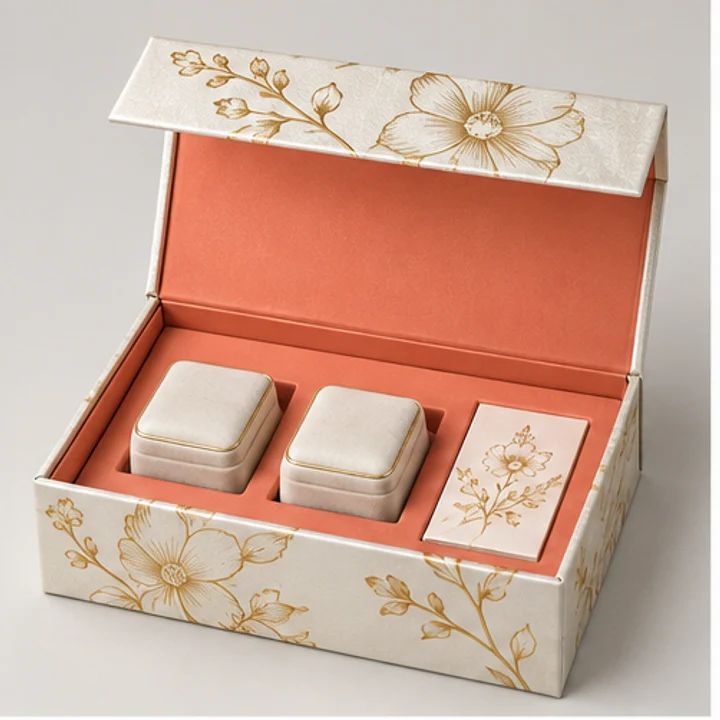
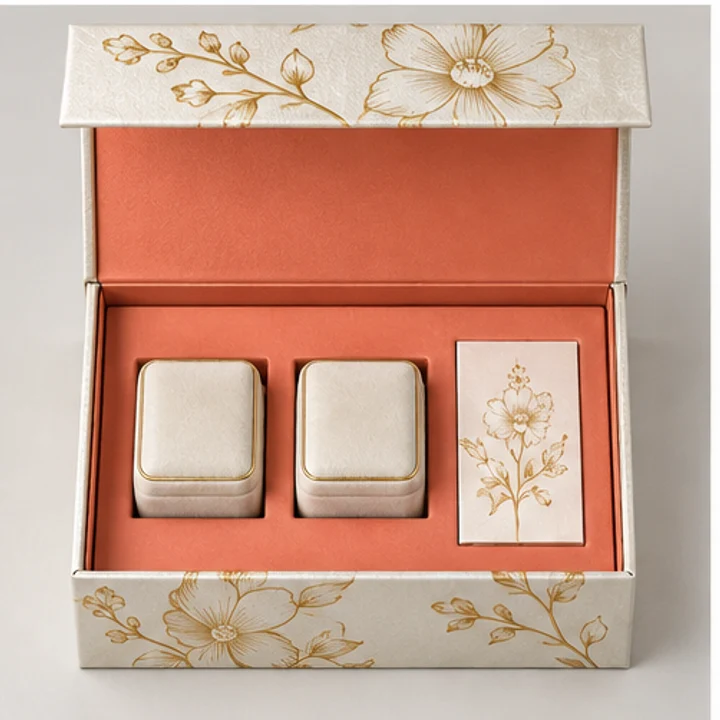
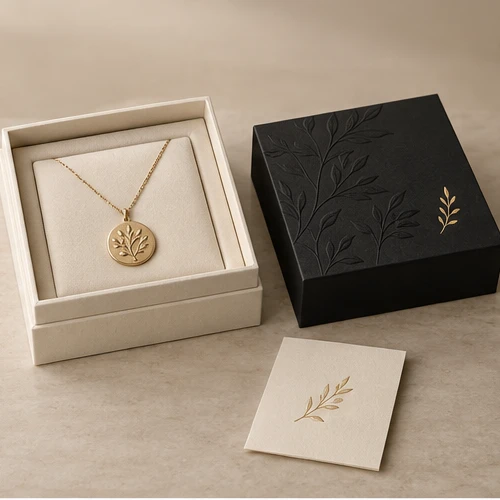
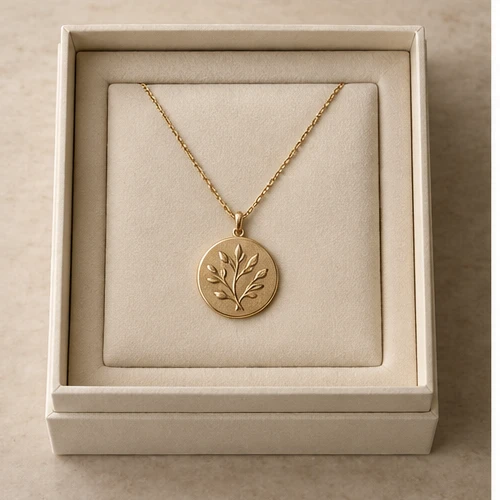
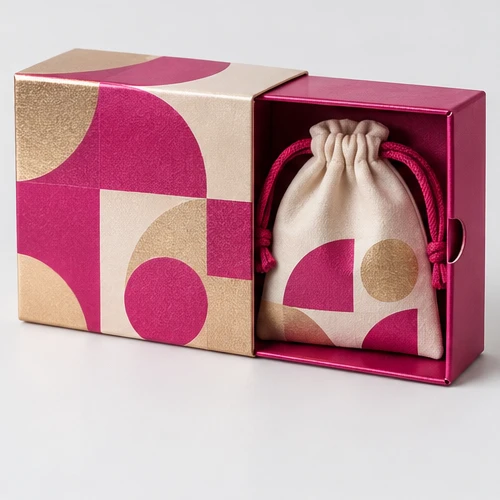
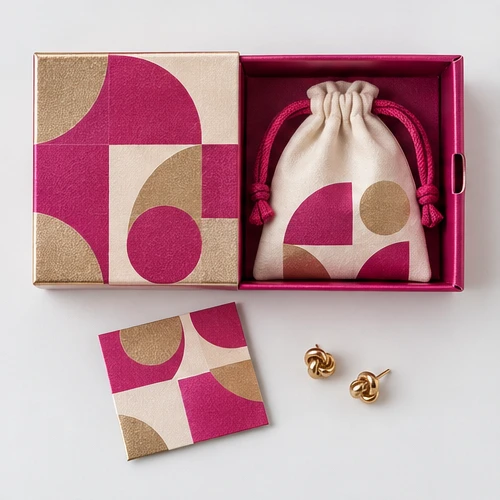
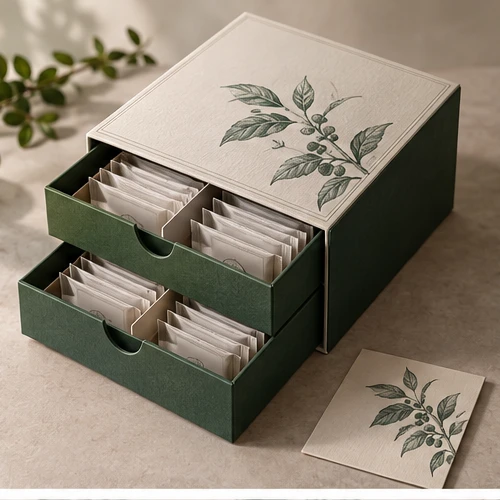
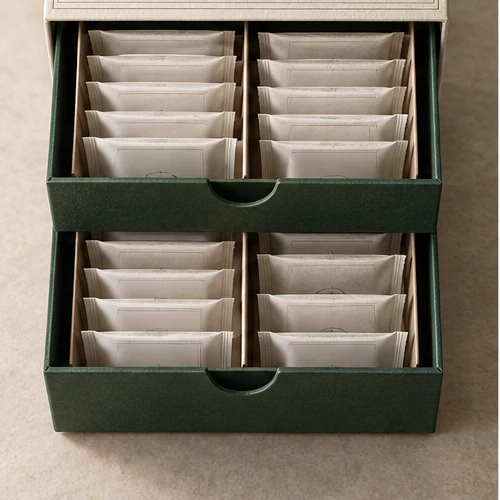
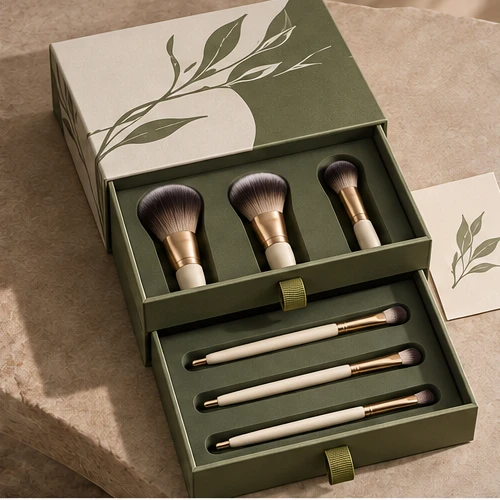
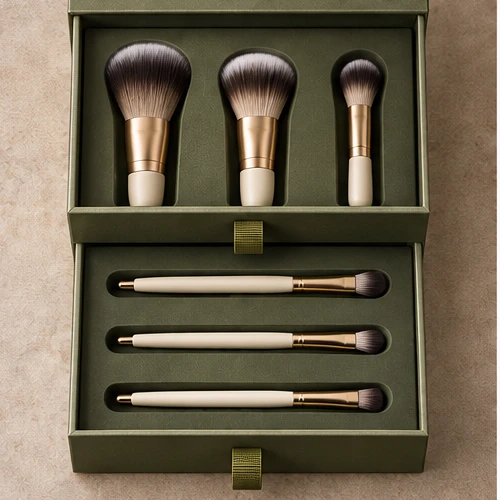
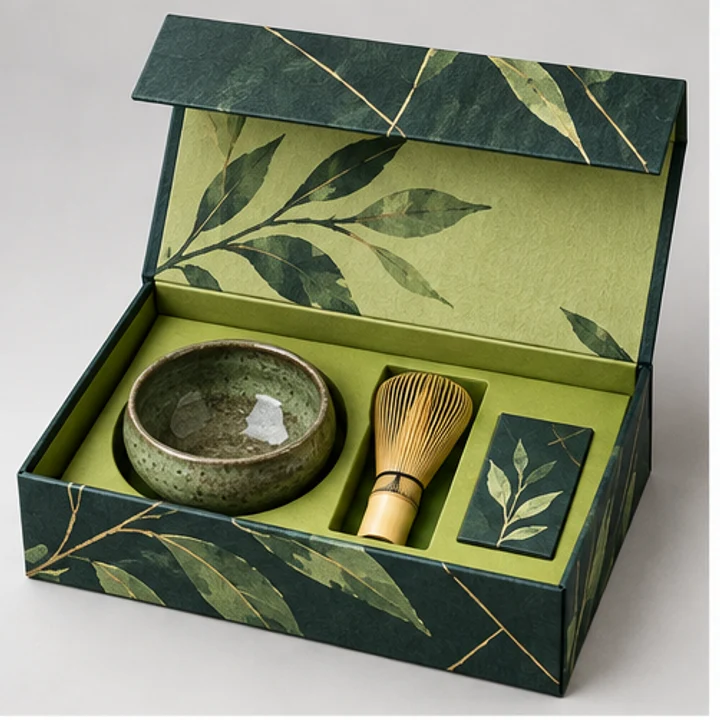
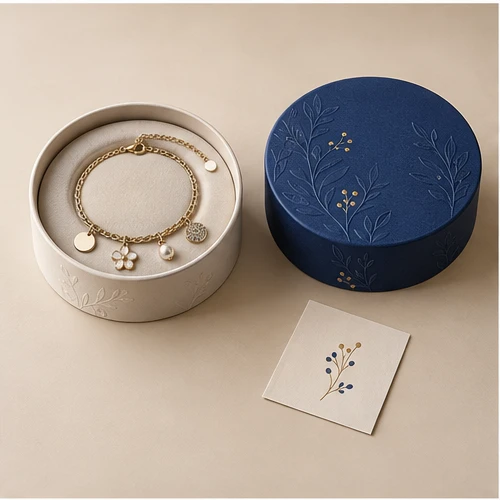
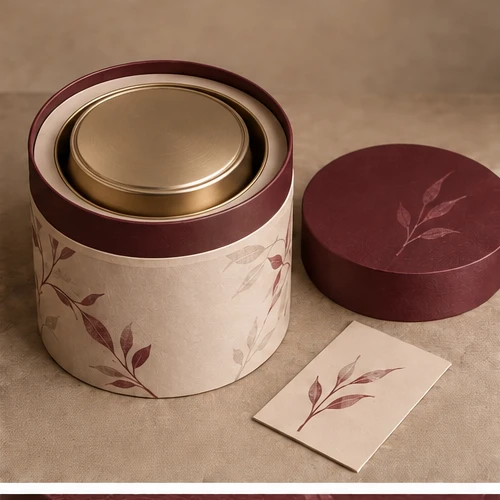
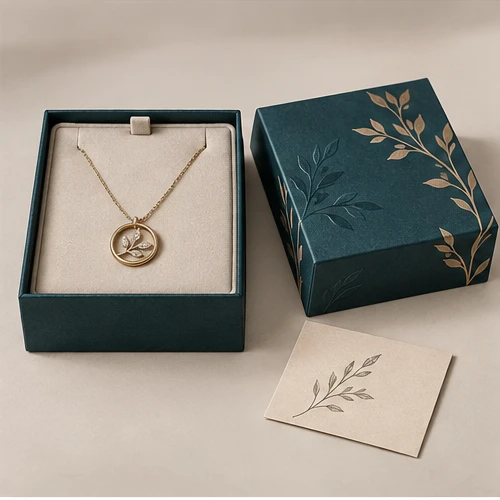
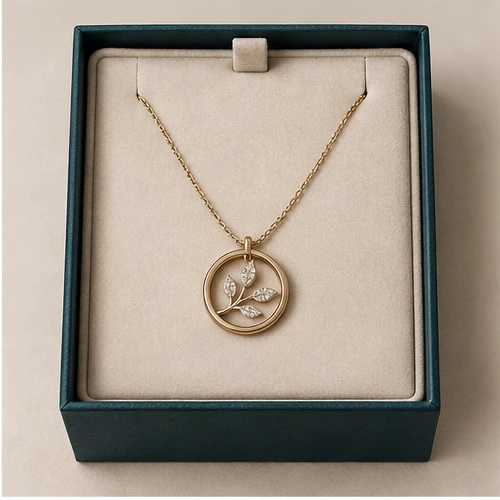
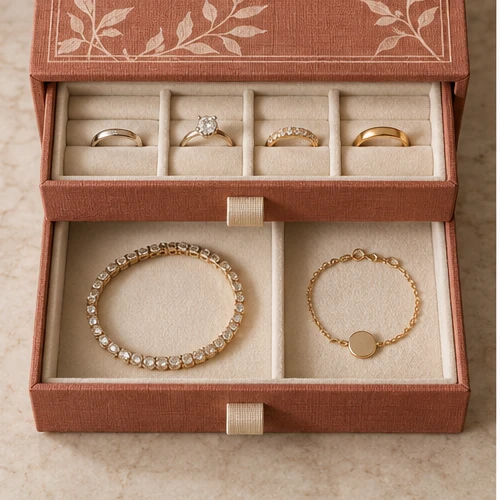
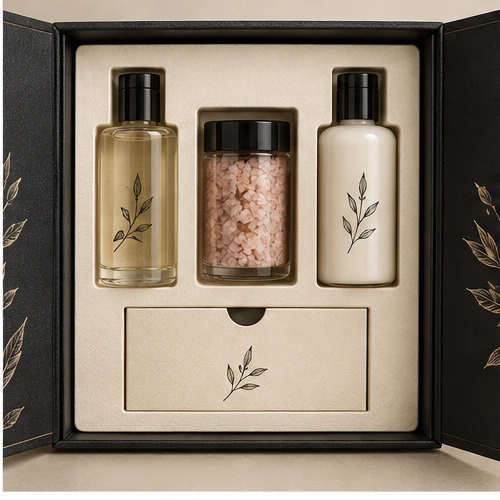
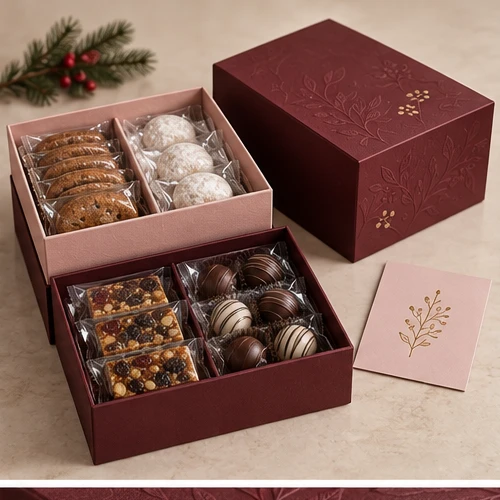
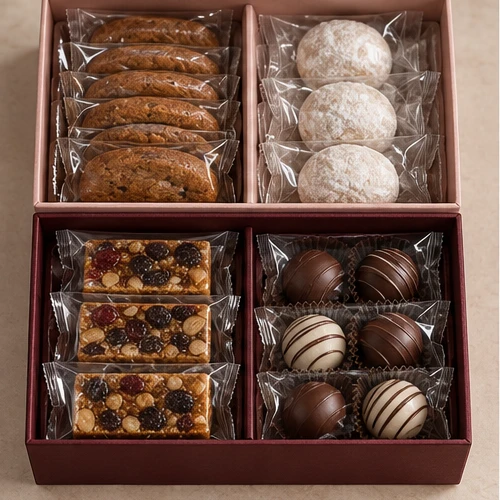
Rigid gift boxes
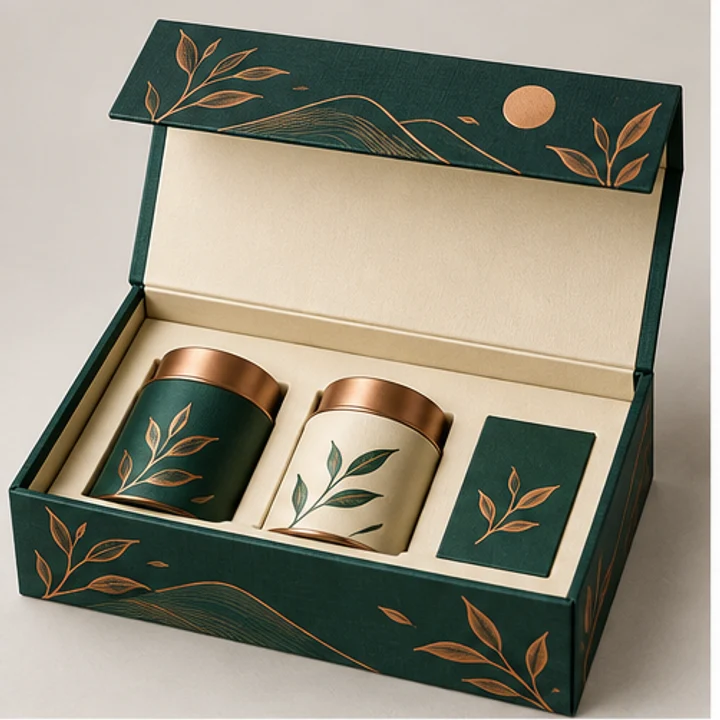
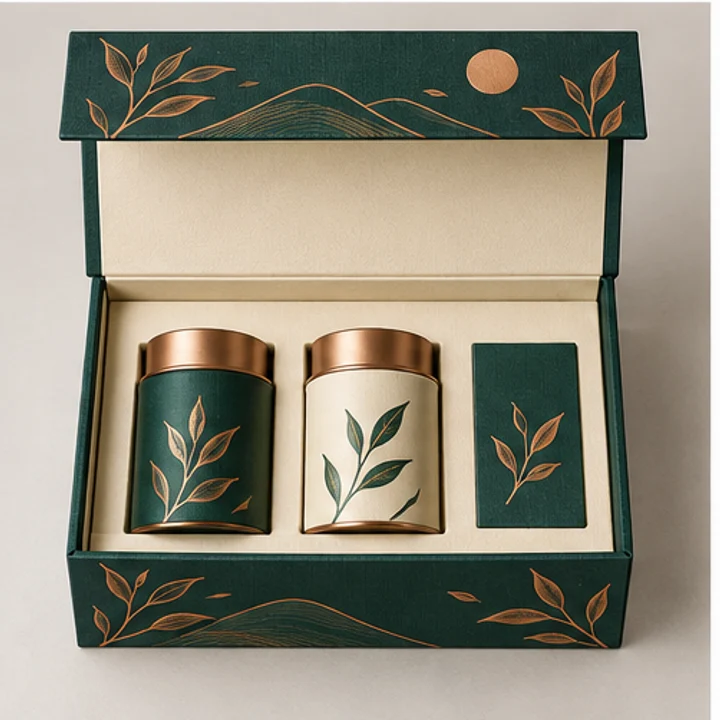
- Material construction
- Rigid board wrapped in paper
- Opening style
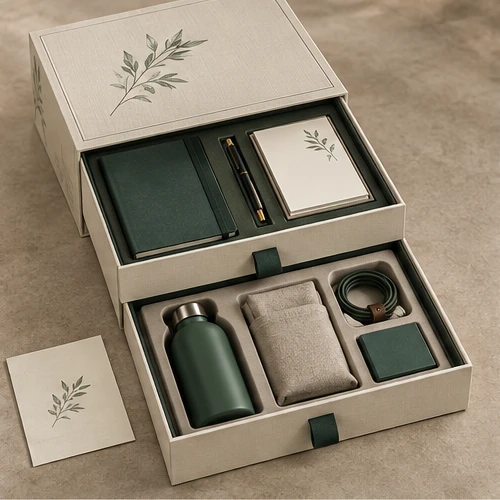
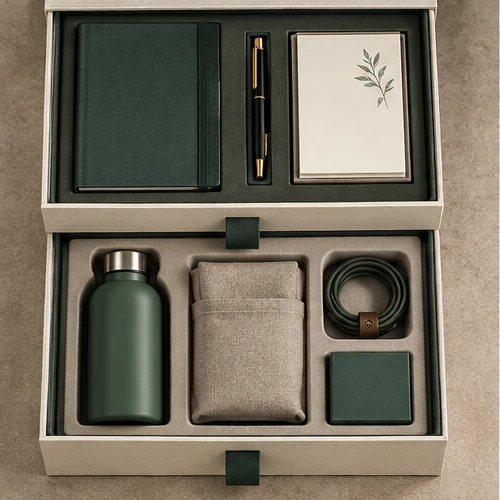
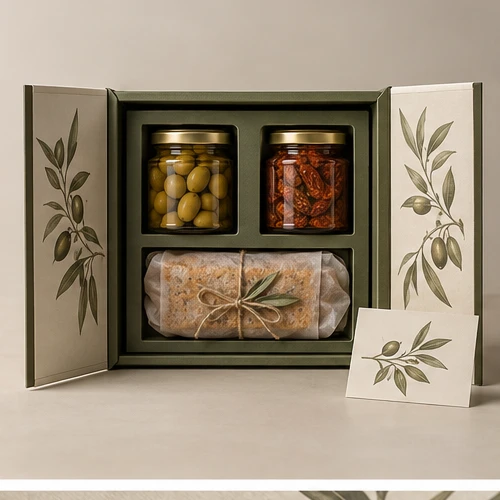
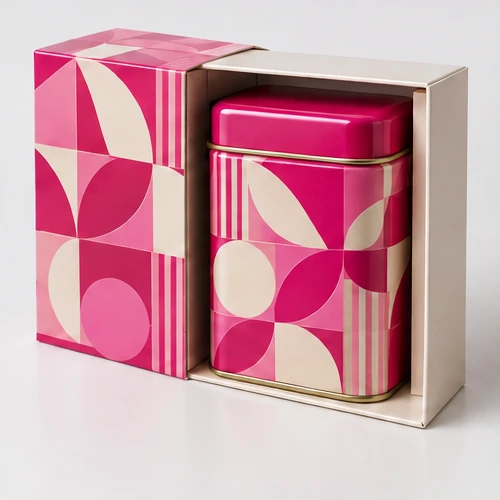
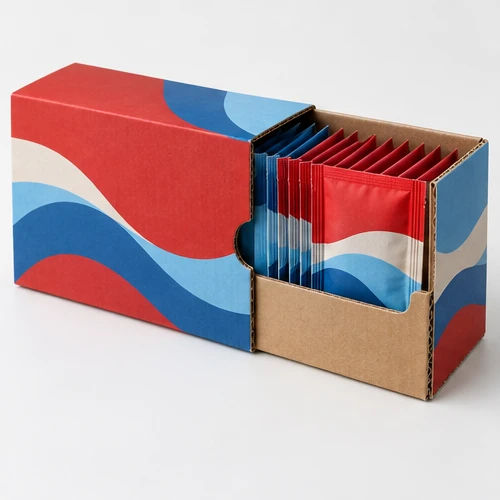
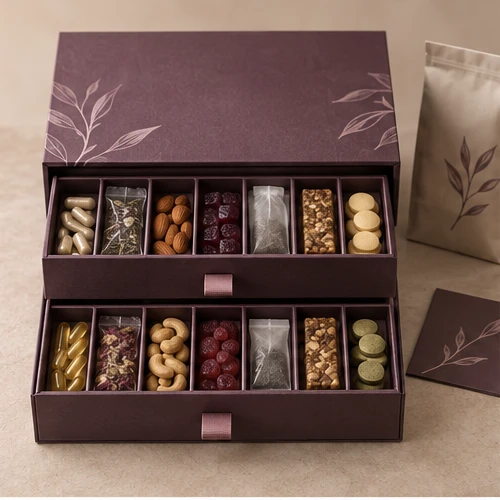
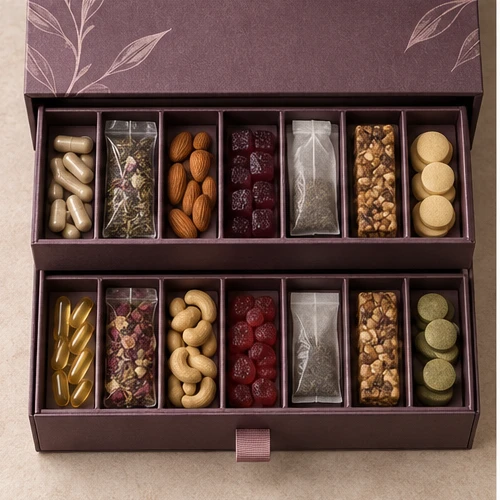
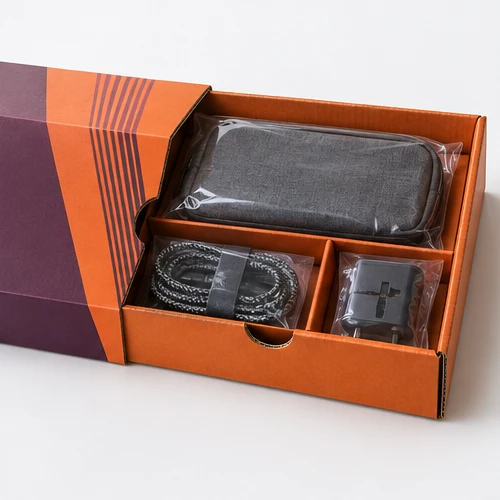
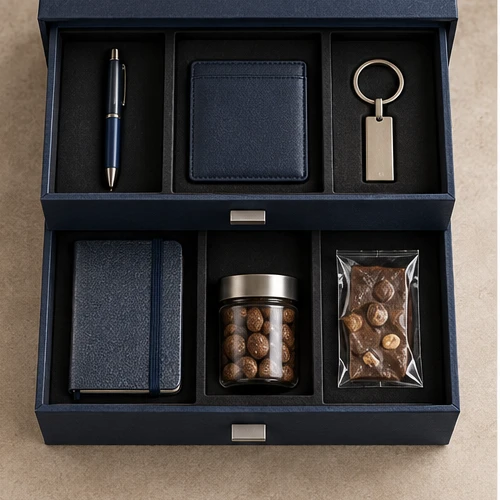
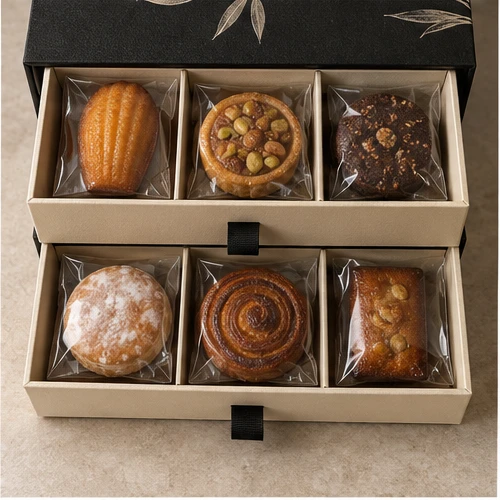
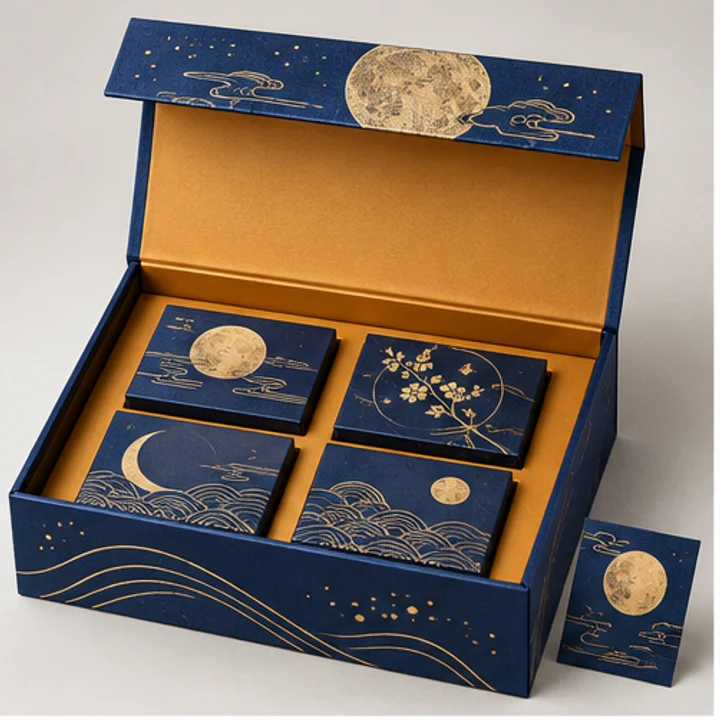
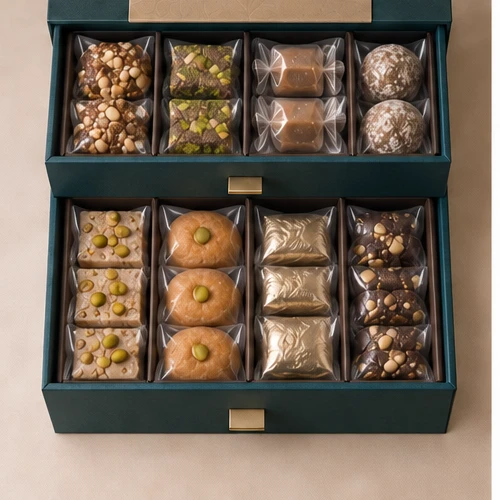
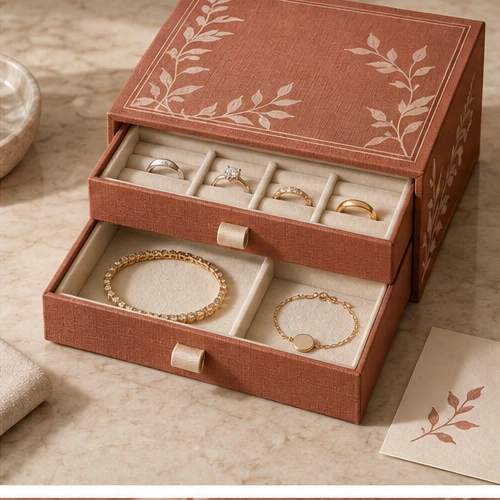
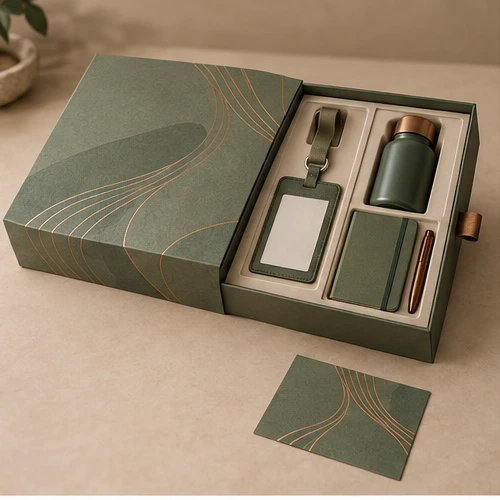
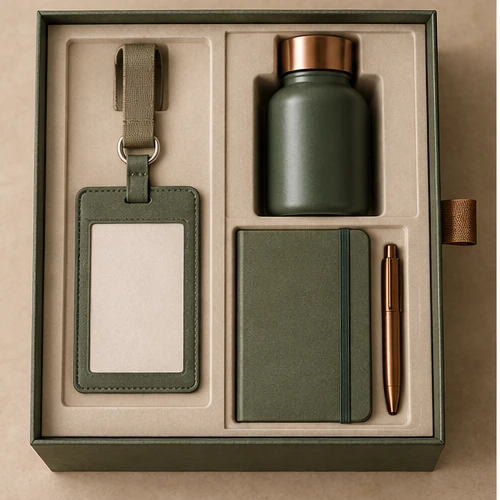
- Separate lift-off lid, hinged magnetic lid or sliding drawer.
- Typical use
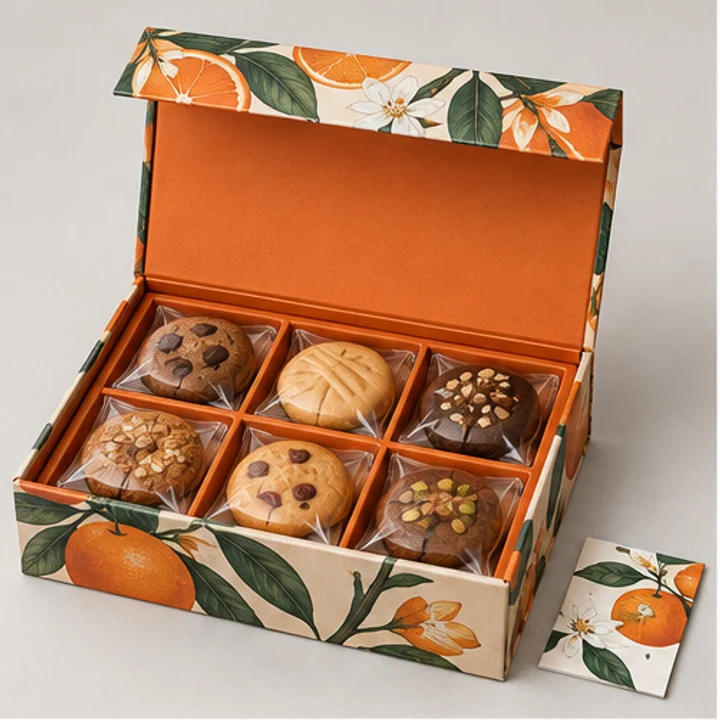
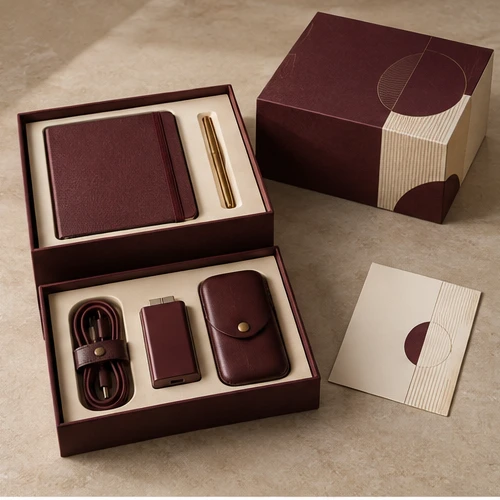
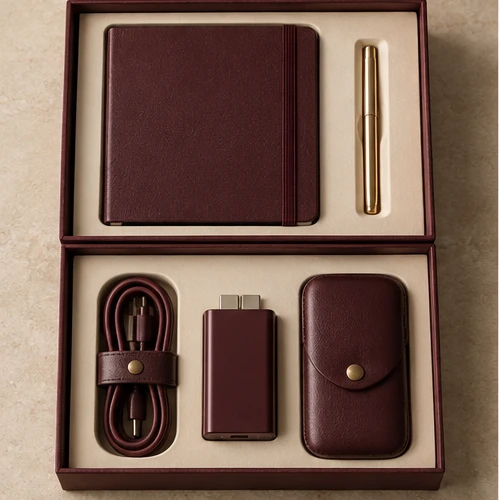
- Gift presentation, bottles and coordinated sets.
- Sample review
- Review lid fit, hinge or drawer travel, insert clearance and packed shipping volume.
Read the family buying guide →Folding cartons
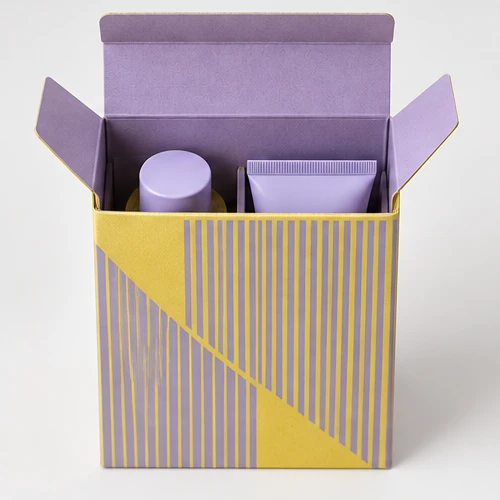
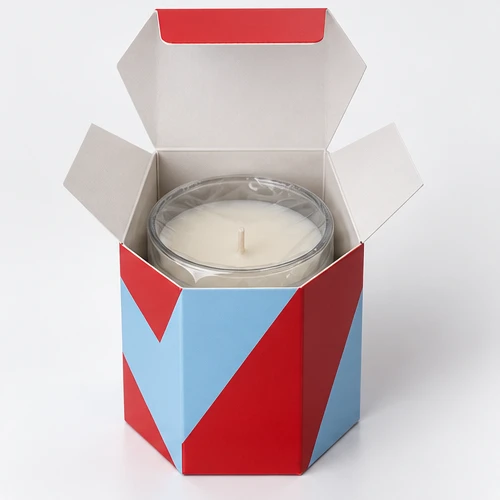
- Material construction
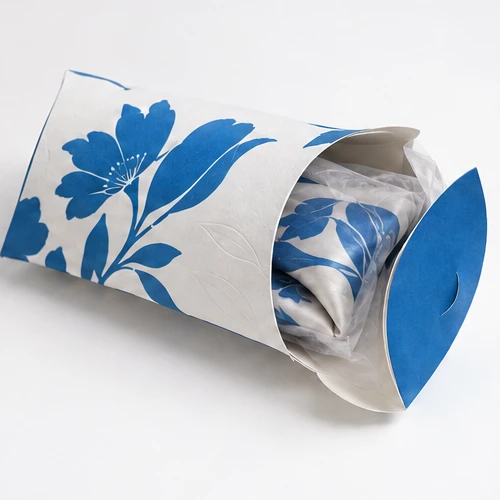
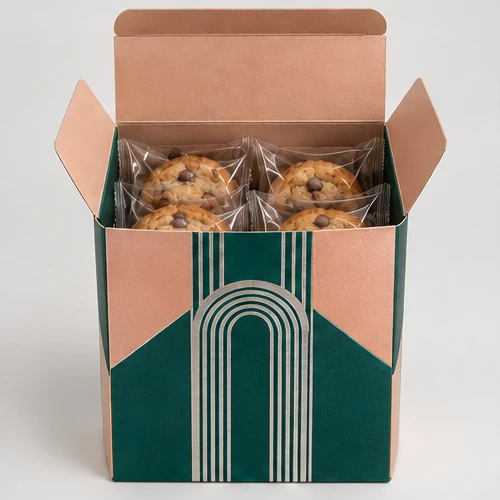
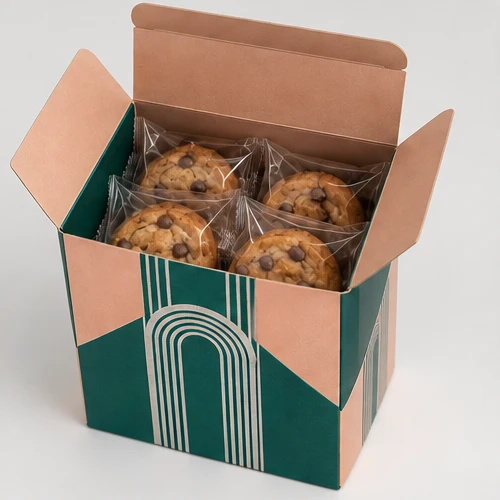
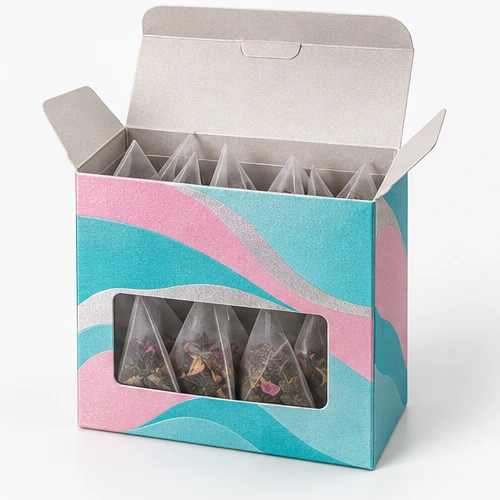
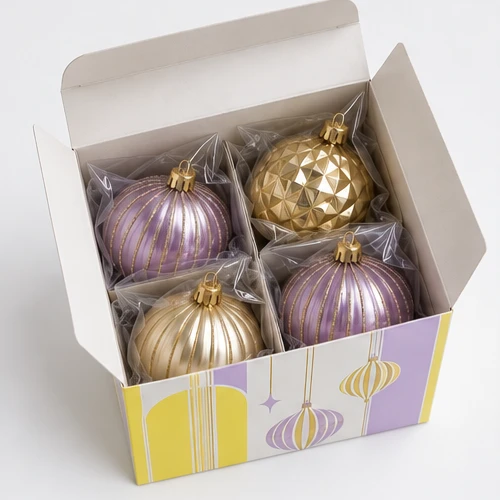
- Creased and die-cut paperboard
- Opening style
- Tuck tabs, glued bottoms, sleeves or other folding closures.
- Typical use
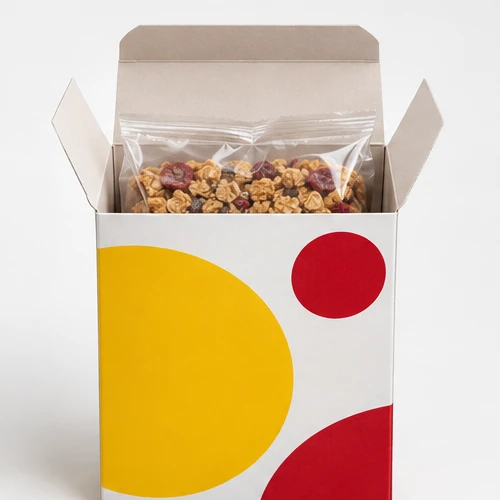
- Retail packs and printed product ranges.
- Sample review
- Review fold cracking, tab engagement, base support and the filling process.
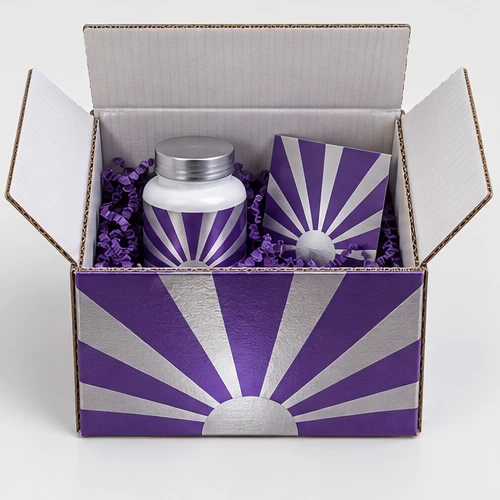
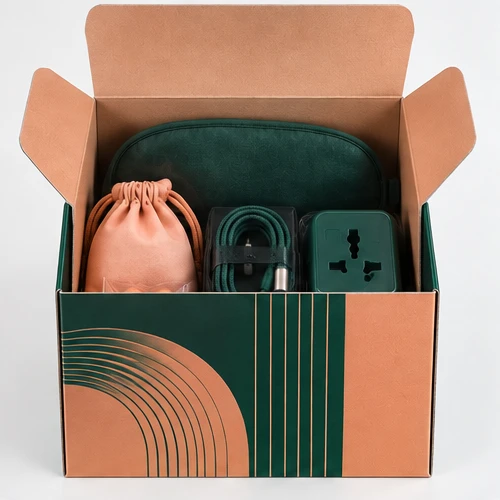
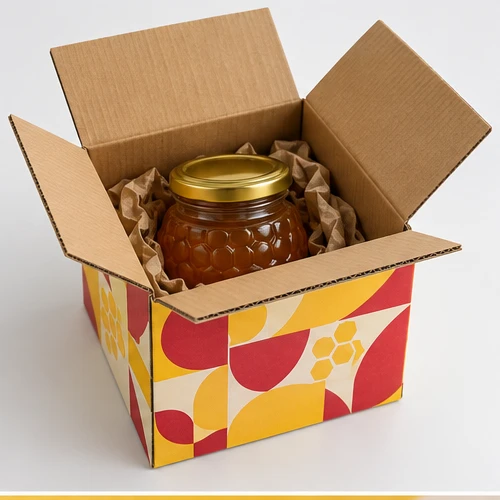
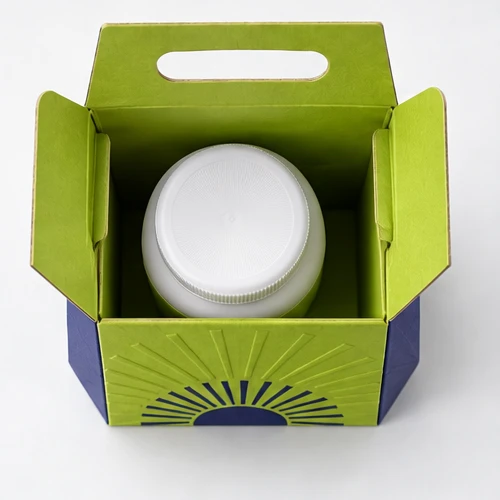
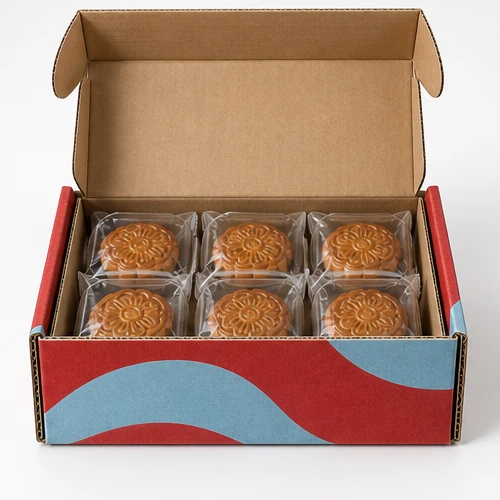
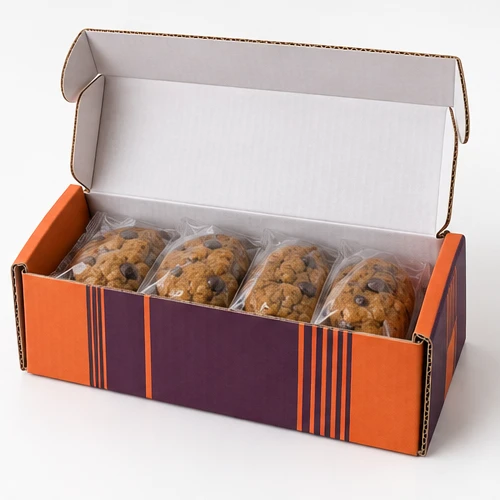
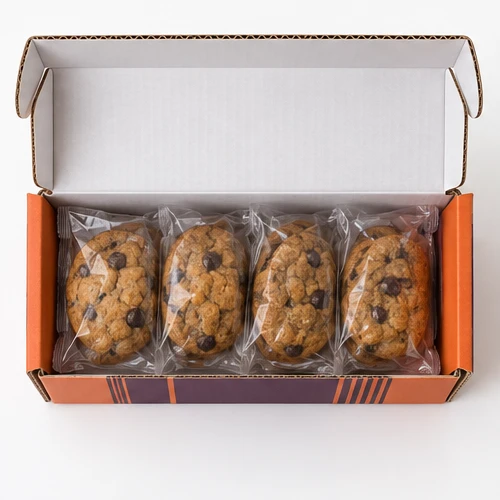
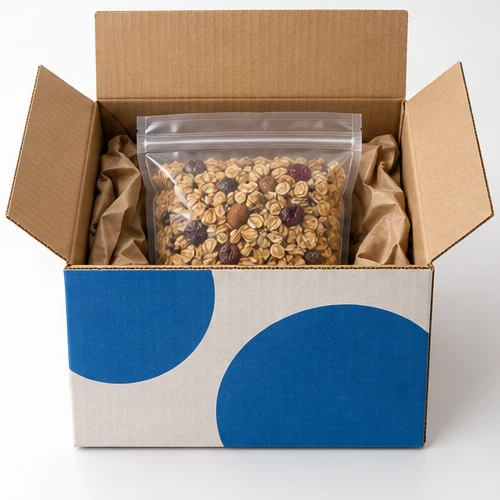
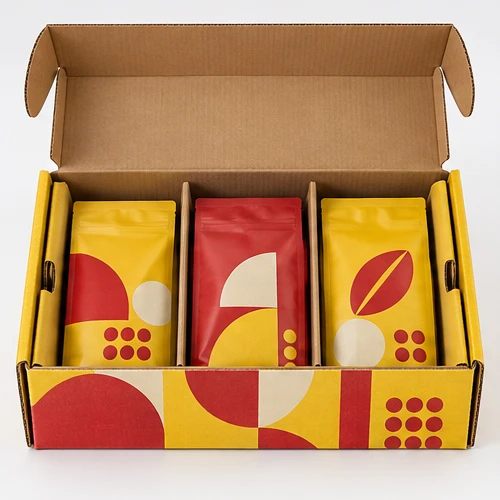
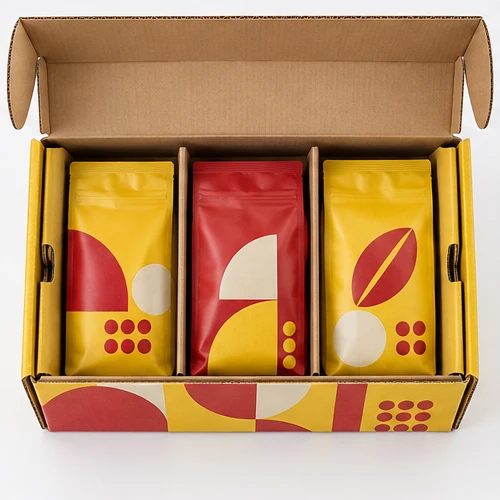
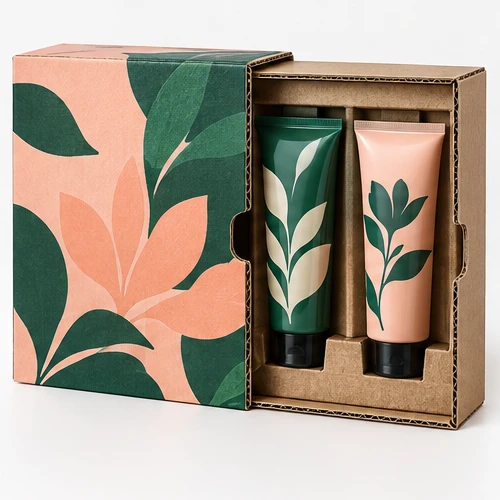
Read the family buying guide →Corrugated packaging
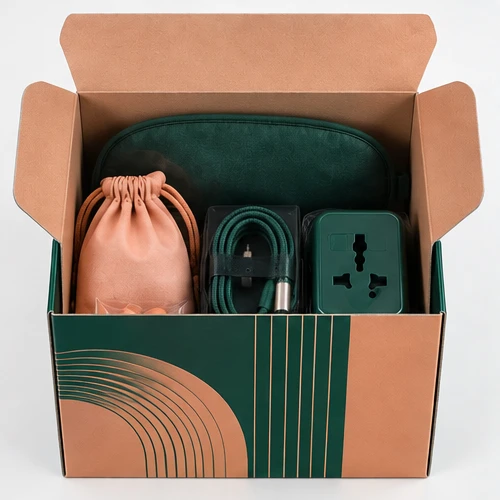
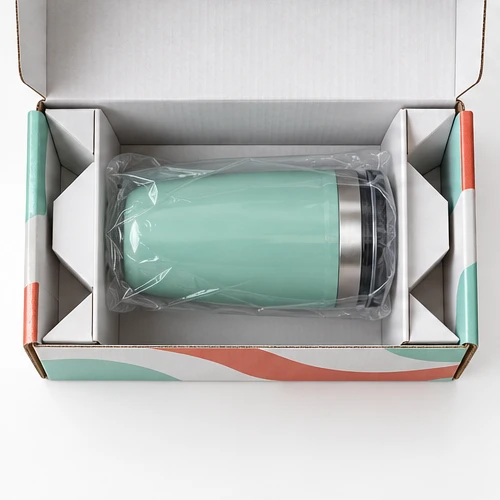
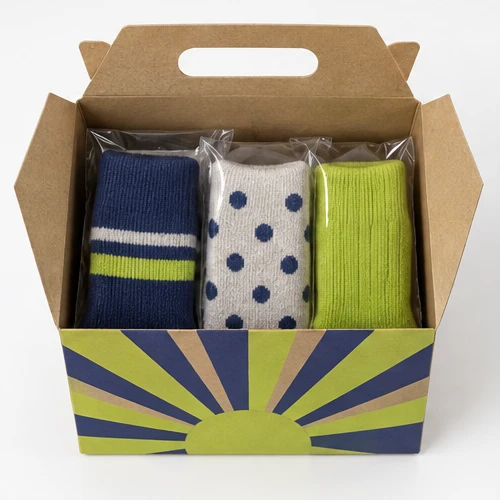
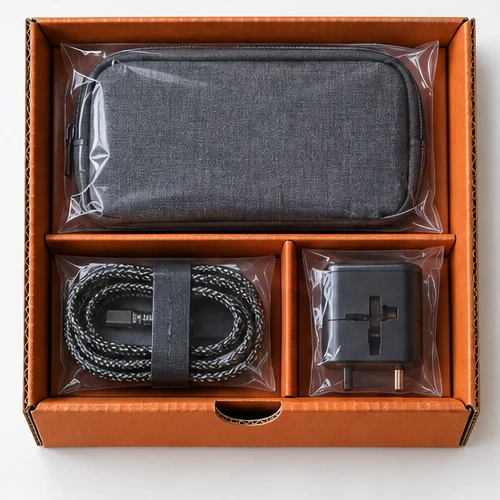
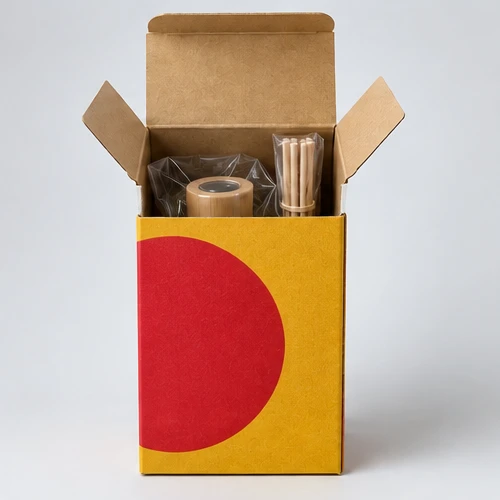
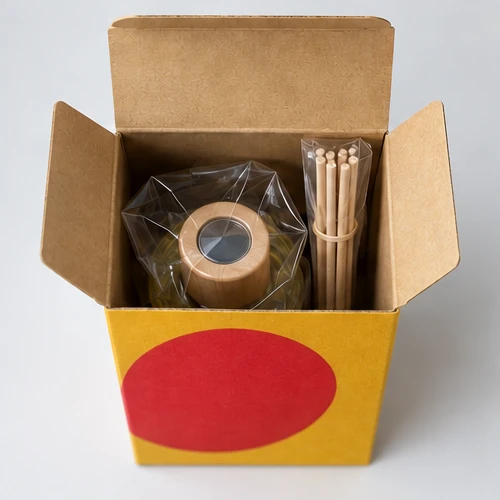
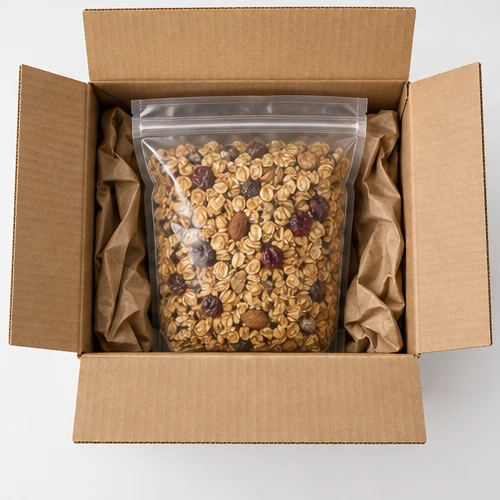
- Material construction
- Fluted paper between liners
- Opening style
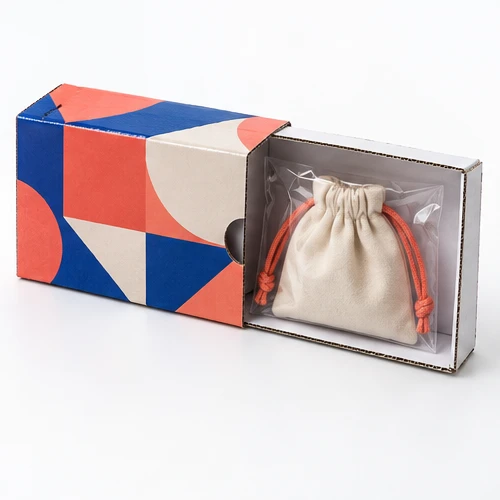
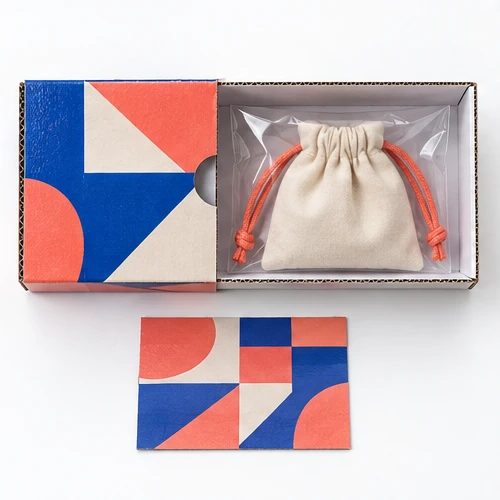
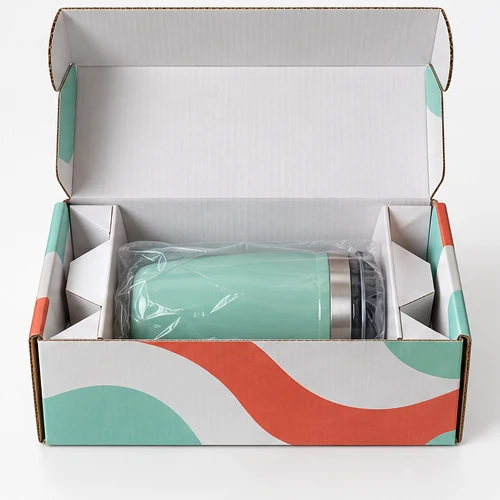
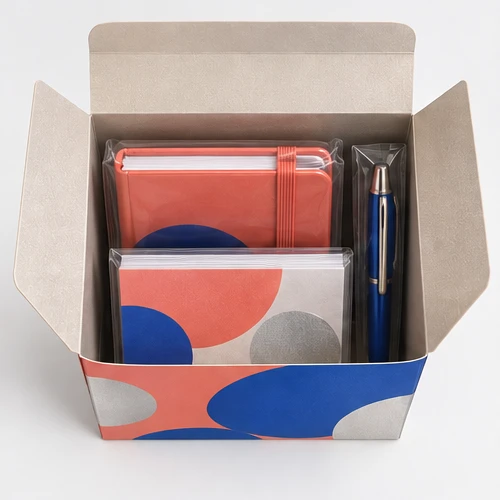
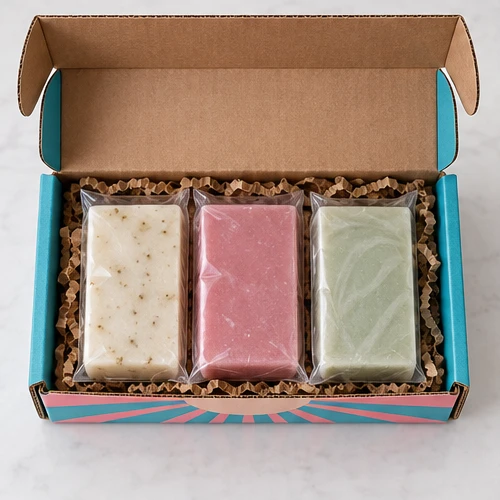
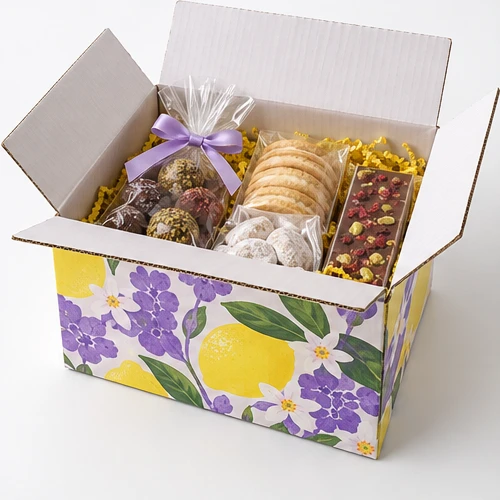
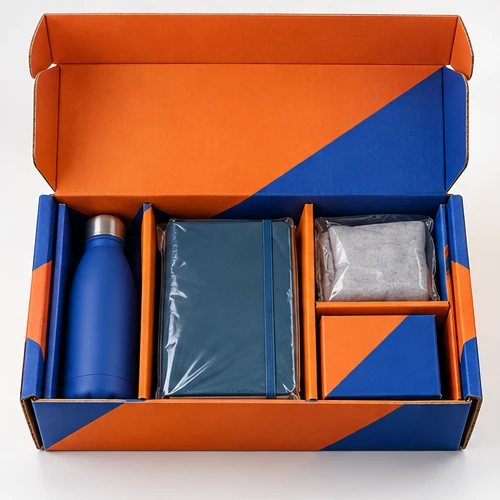
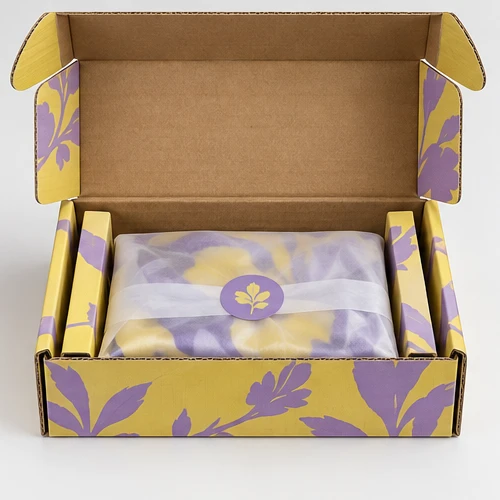
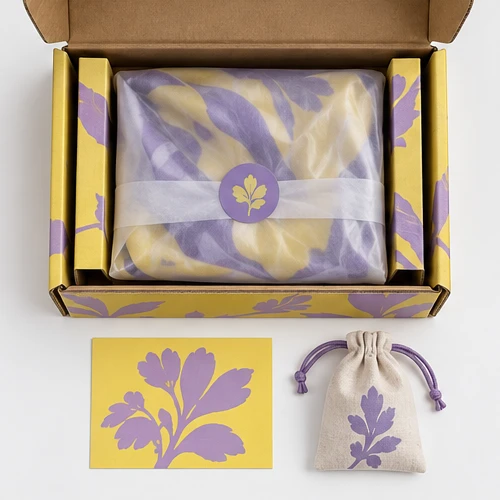
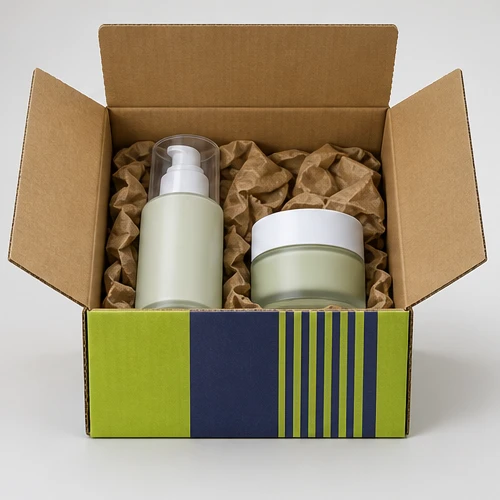
- Roll-end mailer with locking wings or a sealed four-flap carton.
- Typical use
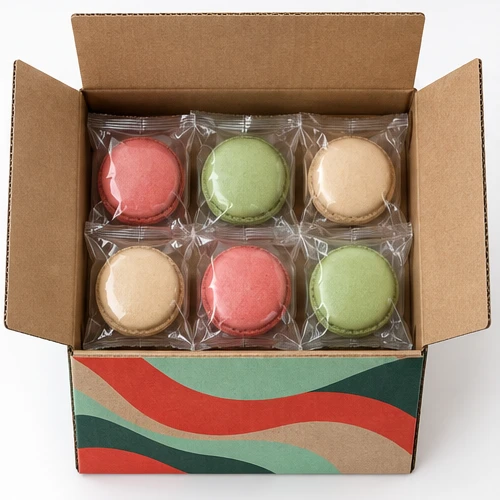
- Shipping, e-commerce and protective outer packs.
- Sample review
- Review the filled pack, board specification, sealing, stacking and intended transport route.
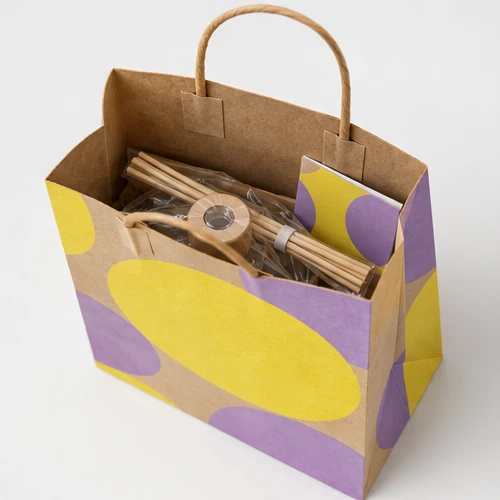
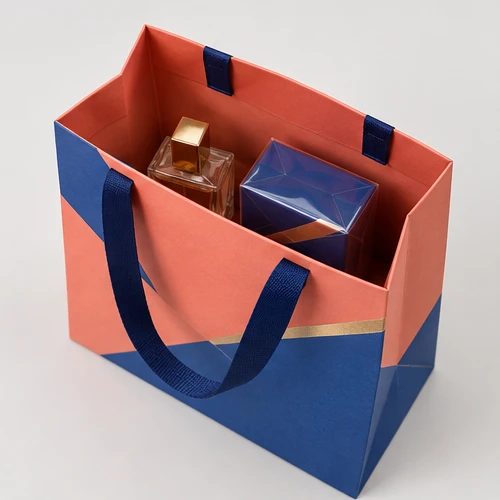
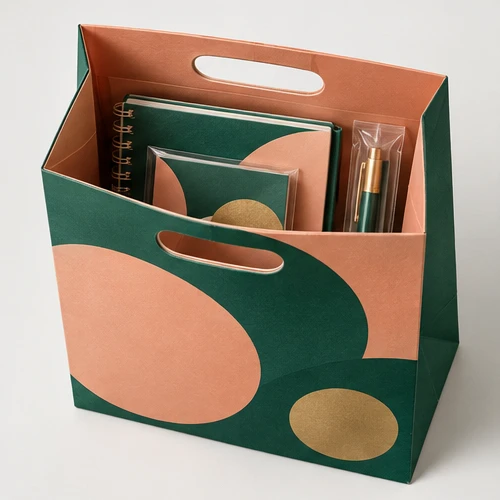
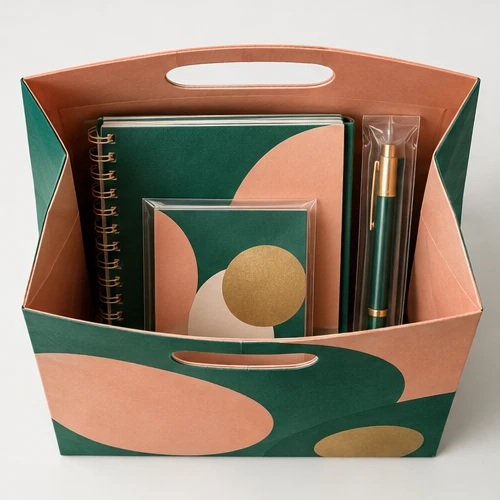
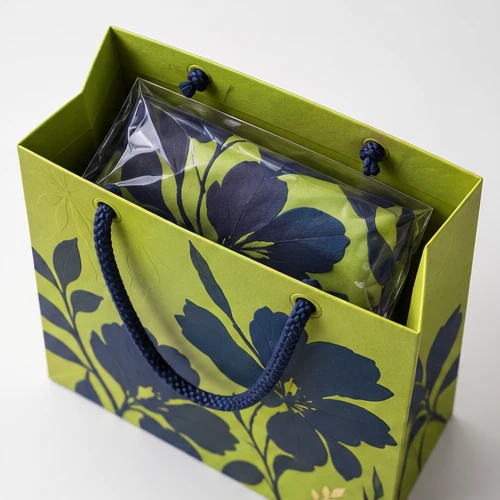
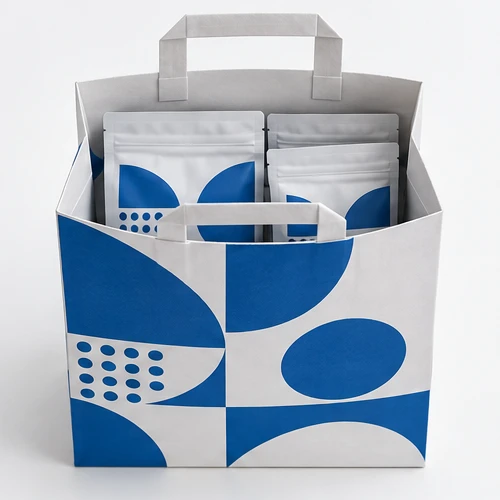
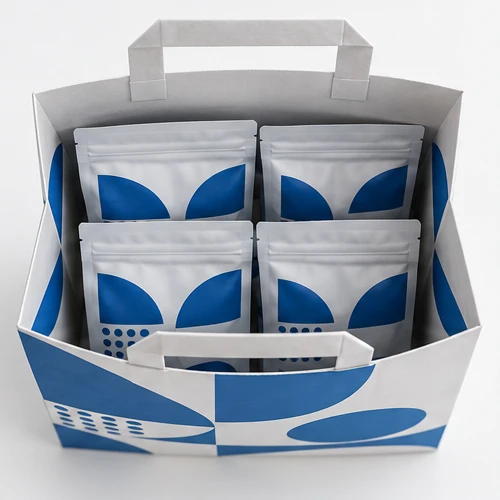
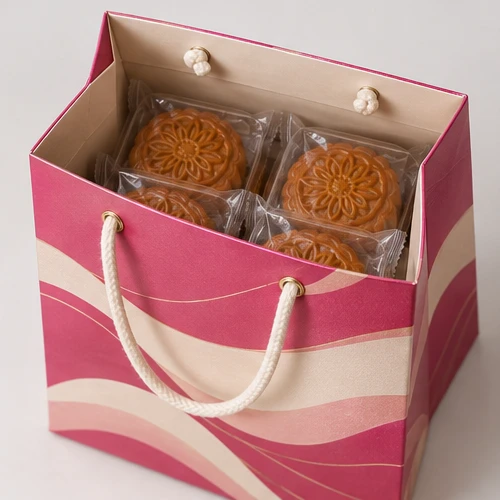
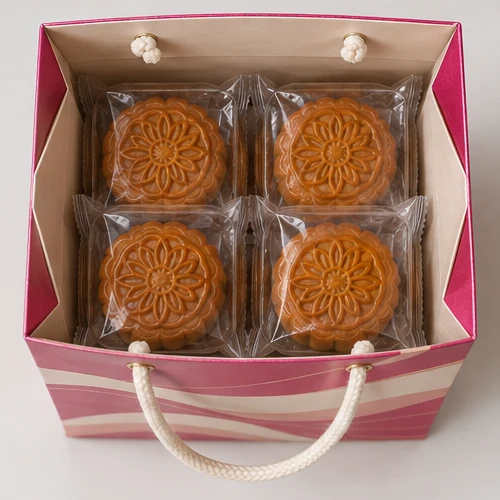
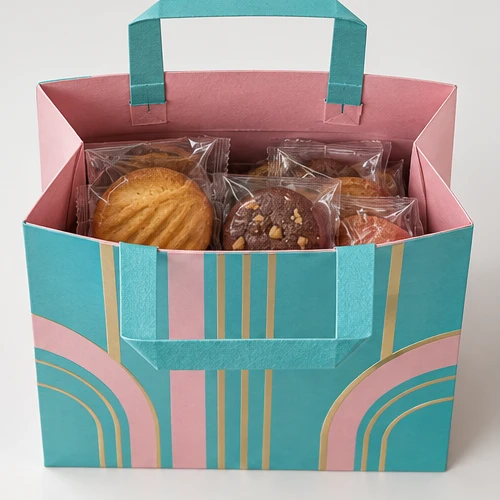
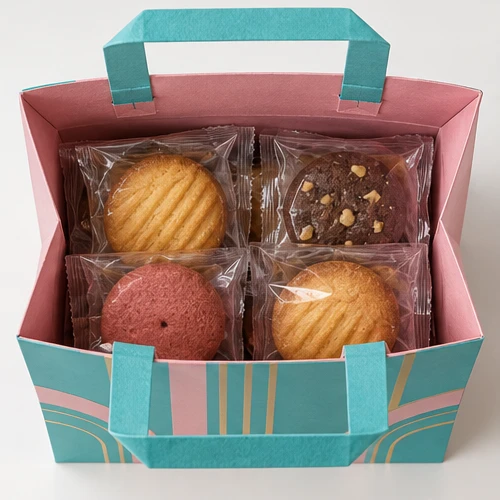
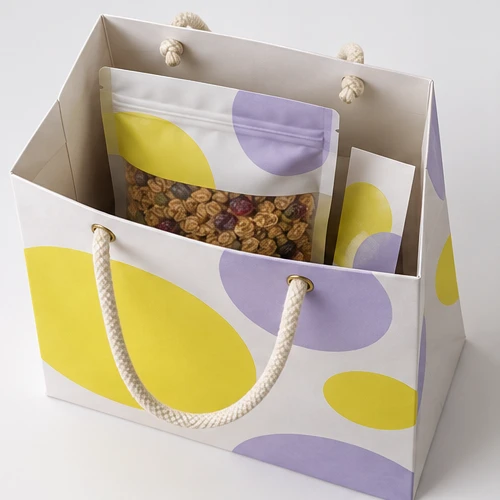
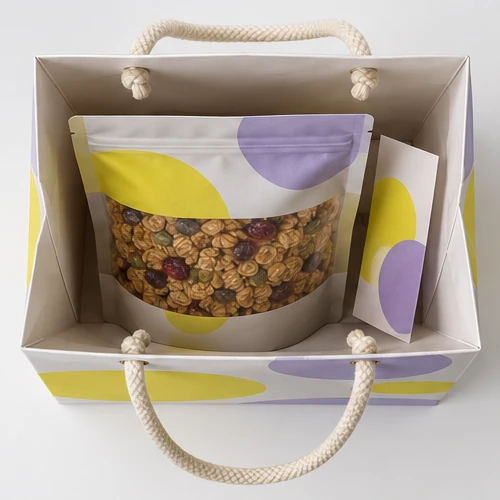
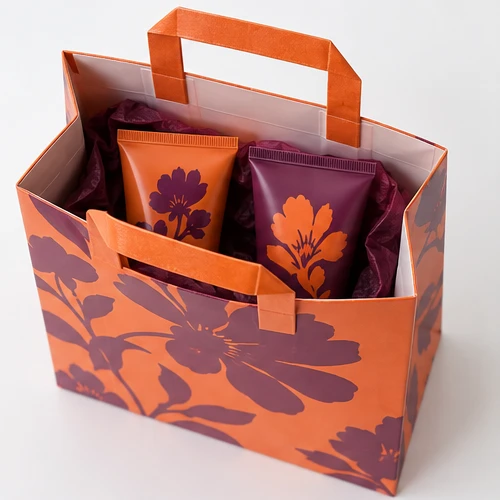
Read the family buying guide →Custom paper bags
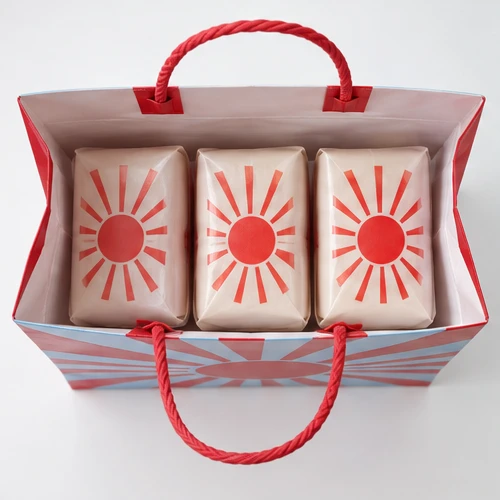
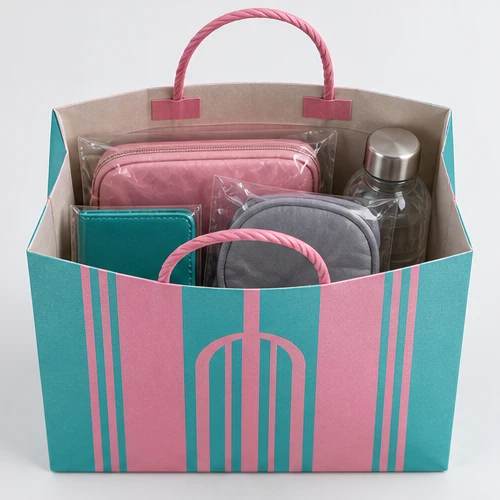
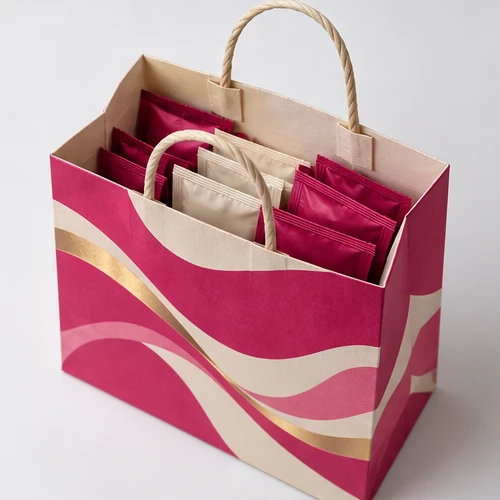
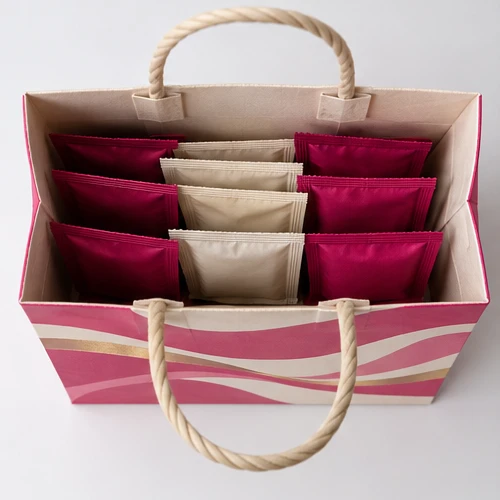
- Material construction
- Paper with base and handle reinforcement as specified
- Opening style
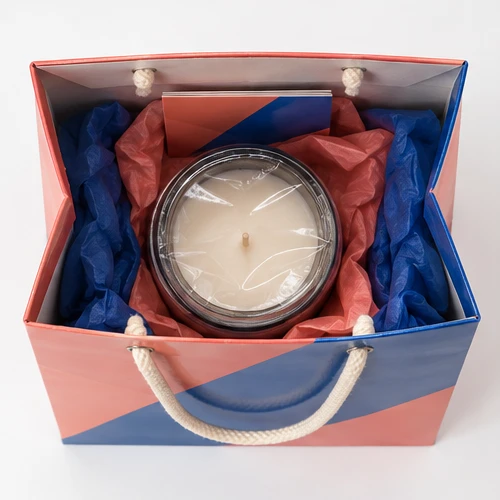
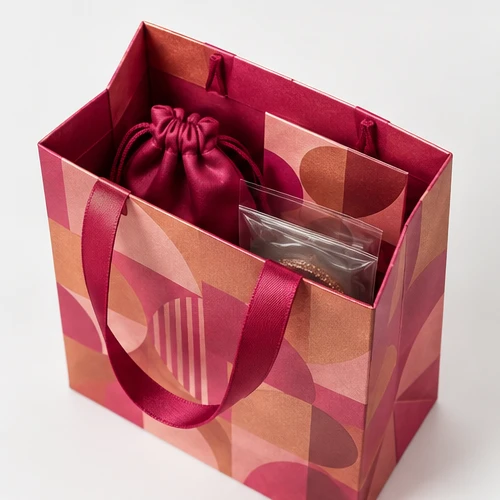
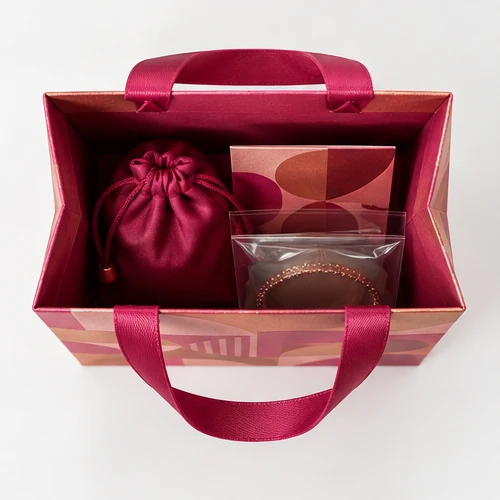
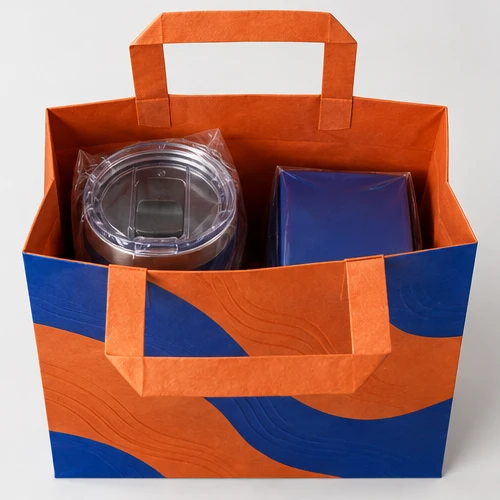
- Open top with paper, rope or ribbon handles.
- Typical use
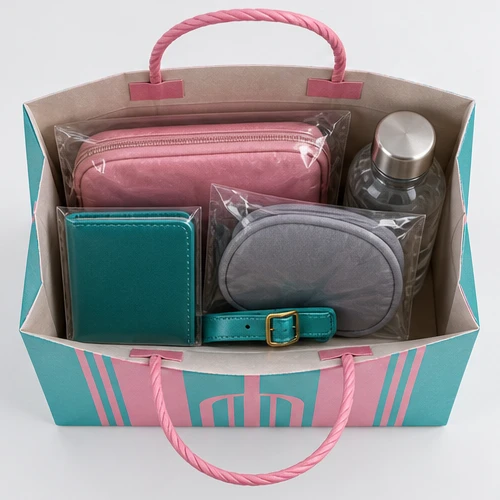
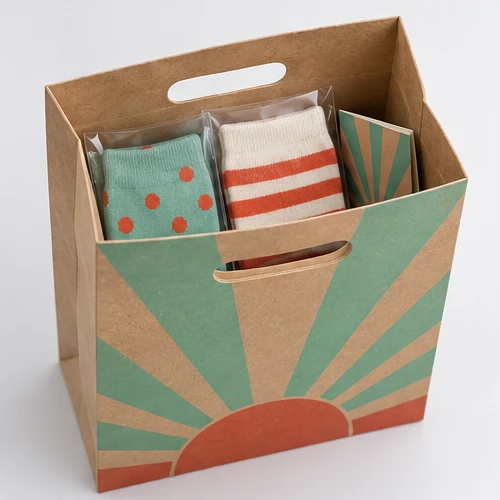
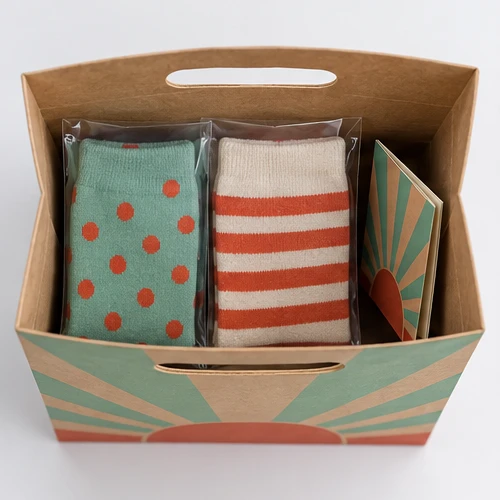
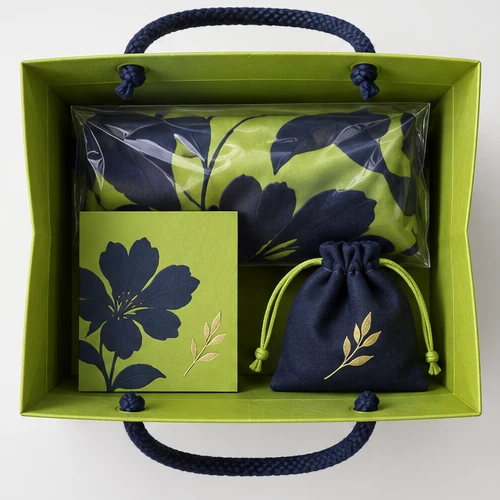
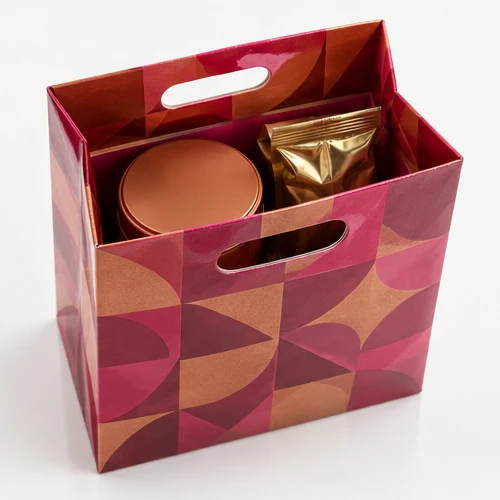
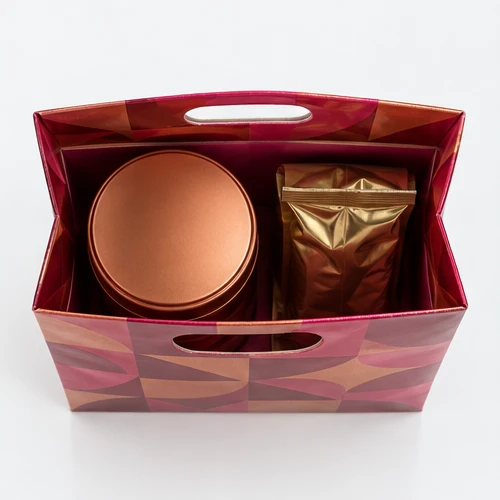
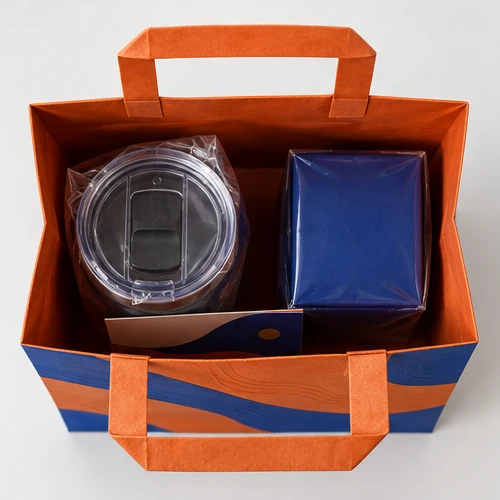
- Retail carry bags and matching box-and-bag sets.
- Sample review
- Measure the closed gift set; check gusset, insertion space and handle attachment under the intended load.
Read the family buying guide →For a quotation, share product dimensions, weight, quantity per design and destination. For bags, distinguish width, gusset depth and height. Confirm the production specification with a physical sample.

















































































































































































































































































































 Bank Transfer
 PayPal