Candle Jar Packaging Protection: Inside an MTT Gift Box
Quick answer
Candle jar packaging protection starts with the filled jar, its support points and the complete shipping pack. A close-fitting opening can position the candle for display, but the base, side support and clearance above the glass also need review. This MTT botanical gift box shows how a jar and a slim accessory can sit in separate compartments. Use the design to plan the presentation, then evaluate a physical sample with the actual candle before approving the transport packaging.
By Hugo He · Custom Packaging Consultant, MTT Packaging · Updated 2026-10-30
Packaging design reference. Final fit, materials and finish are confirmed on an approved sample.
At a glance
Explore candle jar packaging protection through an MTT gift box: glass support, paperboard inserts, lid clearance and shipping-pack checks.
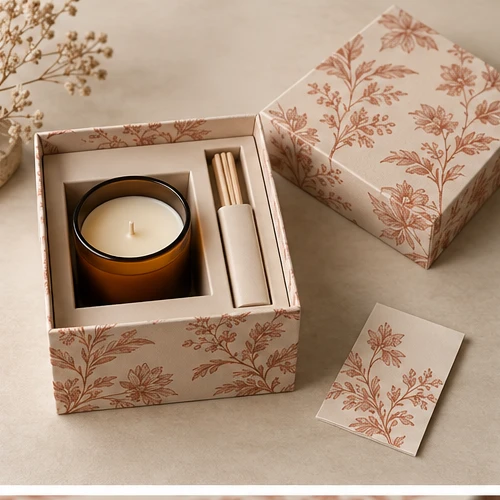
The MTT amber candle jar presentation box pairs an ivory background with terracotta botanical printing. The lid lifts off completely. Inside, a paperboard layout separates the glass jar from a narrow accessory channel, while a matching card carries the pattern outside the box.
The opening is deliberately simple: lift the lid, read the contents, remove the candle. The product stays visually central without filling every surface with decoration. A narrow accessory compartment uses the remaining width, but its contents and dimensions still belong in the packing specification.
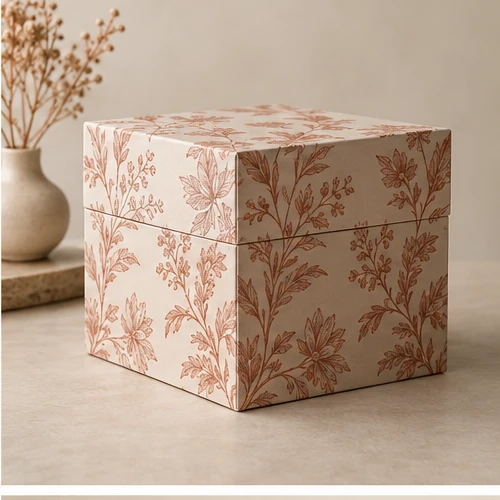
Closed view of the MTT candle packaging design. The lid seam is part of the artwork layout.
For artwork approval, decide whether branches should line up across the lid seam or simply repeat across each panel. Exact alignment is a separate production requirement; it should not be left to interpretation from an overall image.
02
Measure the glass before choosing the cavity
A supplier needs more than the nominal candle volume. Two jars sold with the same fill weight can have different shoulders, bases and lids. Measure the complete product that will be packed, including labels and any protective cover.
Four inputs for the candle insert brief
Input
What it changes
Check on the sample
Maximum outside diameter
Opening size and side contact
The jar enters without scraping its label or being forced
Overall packed height
Insert depth and clearance beneath the box lid
The lid closes without loading the glass rim or product lid
Filled weight
Base support and complete pack specification
The support does not visibly sag during the agreed handling review
Base and shoulder profile
Where support can make contact
The jar seats on the intended support rather than hanging from the opening
Record measurements from production-intent jars, including the agreed size variation. Do not convert a nominal jar diameter directly into the final cutting size: board thickness, folds and assembly all affect the finished cavity. Keep internal box dimensions and external shipping dimensions separate in the brief.
03
Candle jar packaging protection: separate positioning from cushioning
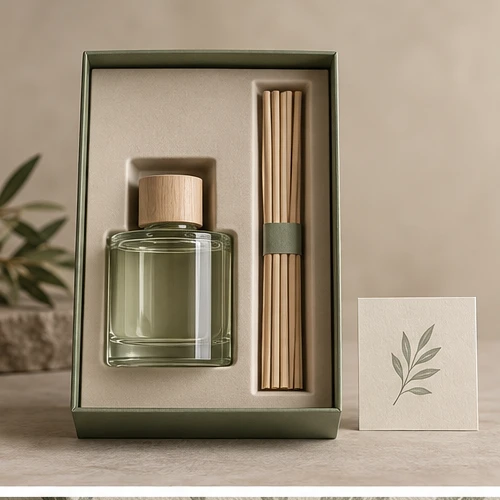
In the open view, the ivory surface frames the candle and hides part of the jar body. That tells us where the product sits. It does not show the construction underneath. The next drawing should identify the base beneath the glass, the folds carrying the load and the areas controlling sideways movement.
Start with the base support, then review the side restraint. A tight top opening is a poor substitute for a deliberate support arrangement. Ask where the filled jar's weight is carried and whether the jar can move down into an empty space below the visible deck.
Keep a removal path around the body. If the recipient has to hook a finger under the rim, pull on a loose lid or crush the insert to lift the jar, revise the access opening. A cut-out may help, but it also removes board: review its position alongside the support folds.
Paperboard, corrugated board and moulded pulp offer different construction options. Select the grade and geometry around the actual product and pack; the material name alone does not establish shipping protection. The insert selection guide compares the broader choices.
04
Keep accessories and the lid out of the load path
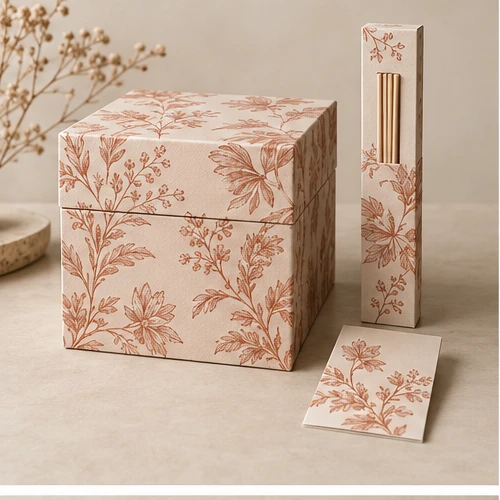
The slender channel beside the candle creates a useful separation line. Size it for the finished accessory pack rather than an approximate bundle. Confirm what keeps the accessory in its own channel when the pack is handled on a different face.
The candle is shown without a fitted jar lid in the open view. If your product includes one, measure and sample that complete version. Adding a lid later can change the height, the insertion path and the point where the box lid first makes contact.
The accessory sleeve and card repeat the botanical artwork. Include both in the final packing list when specified.
Decide where the card goes before approving the closed pack. A card over the insert, tissue around the jar and a product lid all add to the stack. Close the sample gently; resistance is a reason to inspect the layout, not press the lid harder.
05
Build the shipping pack around the presentation box
For direct-to-consumer parcels, define a separate transport arrangement. FedEx's breakables guidance recommends double-boxing fragile items and describes 3 inches of cushioning in and around the inner box. It also calls for restricting movement and choosing a box that supports the product's weight. These are carrier guidelines, not measurements for the display insert.
Three inches is 76.2 mm. That space belongs to the transport-pack discussion; it should not be copied into the decorative box cavity. Have the packaging partner review the carrier guidance against the actual assembly, route and any engineered alternative.
For a retail replenishment carton containing several gift boxes, define the unit count, dividers or cushioning and loading pattern separately. A single-parcel arrangement does not automatically describe a multi-unit carton. Record the packed outer dimensions and gross weight before requesting freight pricing.
Use the gift-box outer carton guide for the carton brief. Keep labels and tape on the transport pack so the botanical presentation surfaces arrive ready to give.
06
Approve the loaded sample in a useful order
Fit: load the finished candle and accessories. Check contact points, label clearance and the support beneath the jar.
Removal: take out the candle and put it back. Note any awkward grip, rubbing or displaced folds.
Closure: add the card, cover and tissue that belong in the order. Check that the lid seats without pressing on the glass.
Appearance: review the assembled wrap, lid seam, corners and accessory sleeve together under consistent lighting.
Transport: evaluate the loaded gift box inside the specified outer package using an agreed test plan.
ISTA distinguishes early screening tests from distribution simulation tests. Its 3A procedure covers individual parcel shipments of 150 lb (70 kg) or less. A qualified testing partner should confirm the suitable procedure and acceptance criteria for the actual pack. A hand-held movement check helps identify obvious looseness; it is not a substitute for that evaluation.
Record the approved jar version, insert drawing, material specification and outer-pack arrangement together. If the jar or accessory changes, review the affected fit and transport checks before reordering. Use the sample approval checklist to keep the physical reference and written specification aligned.
From guide to product
Compare packaging for your brief
Explore the opening, material and insert details for each design. These are options to review, not proof of a tested fit for your product.

 Bank Transfer
 PayPal