Skincare Packaging: Build One System Across Different Products
Quick answer
Build a skincare packaging range around a clear product-name hierarchy and shared production references, while allowing different structures for different containers. Group SKUs by size and use before assuming they can share tooling. Test the smallest format for readability and the full gift set for removal. Colour should help identify products without being the only distinction.
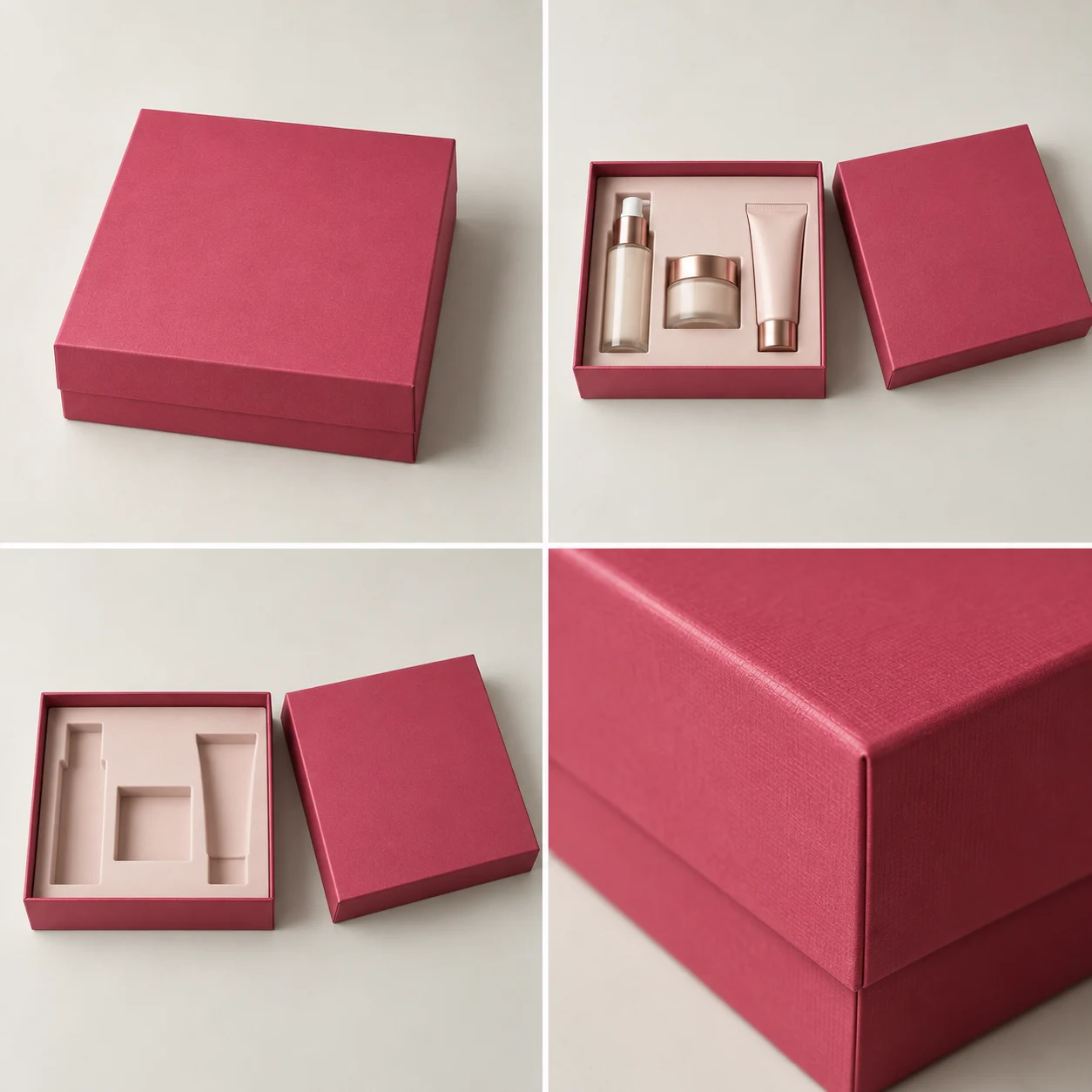
Compare the box, opening, insert and material details. AI-generated visualizations; final construction and finish are confirmed through physical sampling.
01 · Closed packaging
A lift-off rigid gift box with a coordinated wrapping paper.
02 · Opening & fit
The lid is completely separate from the three-product base.
03 · Insert & construction
Three matching cavities organize the bottle, jar and tube.
04 · Material detail
Inspect the lid overlap, wrapped edges and surface finish.
01
Published reference
Xaime Betancur’s Belle Girl case describes a skincare identity extending across bottles, tubes, jars and secondary boxes. Repeated typography, restrained colour and gold accents connect the formats. The published design is credited to its creator; no MTT production relationship is implied. Read the Xaime Betancur: Belle Girl.
02
The buyer’s challenge
A skincare range needs family resemblance without making customers confuse a cleanser with a serum. Establish a fixed brand position and product-name hierarchy, then use a limited variable element to distinguish each item. Do not depend on colour alone.
03
Structure and material direction: our analysis
Group products by container size before choosing carton formats. Shared paper and print specifications may be practical even when the cutting dies differ. For a gift set, arrange the products in their intended use order and leave access around pumps and lids. Do not use a decorative insert as evidence of leak containment.
04
What to check in sampling
Review the smallest carton as well as the largest: text that fits one may fail on another. Compare printed samples across the range, check barcode placement with the buyer and confirm all required product information before artwork approval.
05
Separate shared references from shared tools
Two SKUs can share a paper and colour target without sharing a cutting die. A larger carton may need a different panel layout, while a different product name may require separate artwork. Record common references and unique components in a SKU table so a lower total tooling estimate is not assumed from visual similarity.
06
Prepare a comparable quotation
Send a SKU table with container measurements, quantities, languages and artwork versions. Request costs by SKU and identify which print, foil and cutting tools can actually be shared. Prepare the SKU and quotation brief.
07
Image and project credits
The four-stage images were generated specifically for this analysis. They illustrate a proposed direction and do not show the referenced brand’s packaging. Original project credit belongs to the creators linked above. No affiliation, manufacturing relationship or production performance is implied.
From guide to product
Compare packaging for your brief
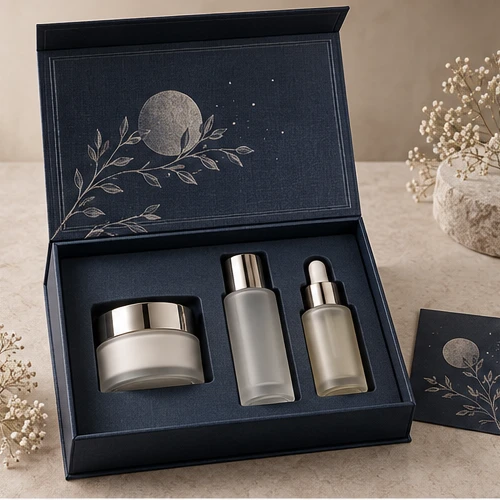
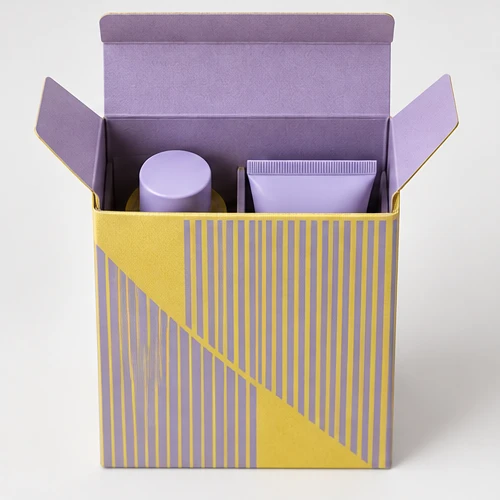
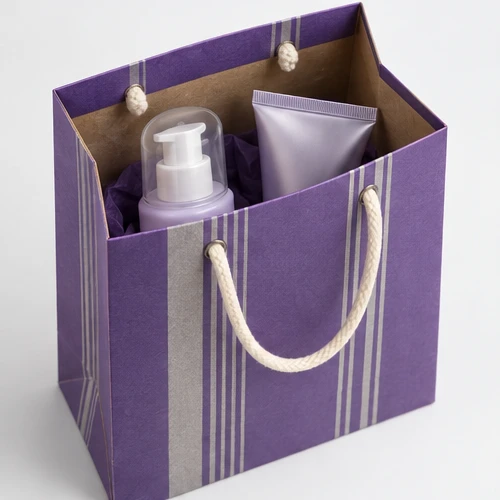
Explore the opening, material and insert details for each design. These are options to review, not proof of a tested fit for your product.
 Bank Transfer
 PayPal