Custom Packaging Brief Checklist: What to Send for a Quote
Quick answer
A useful packaging brief identifies the contents, dimensions, intended use, quantity and approval requirements before listing finishes. Mark provisional decisions rather than asking suppliers to guess. Separate the box, insert, accessories and delivery scope so quotations can be compared. Keep the approved brief linked to the drawing and sample revisions as the project develops.
Prepare a packaging brief with dimensions, quantity, materials, artwork, inserts and delivery scope. Includes a copyable checklist for boxes, bags and gift sets.
Measure the actual assembled product, including caps and projecting parts, and provide its loaded weight. List the number of pieces in each set. For food already sealed in a tray or pouch, measure that sealed pack rather than the loose contents. For example, the macaron window carton must accommodate the tray rim and cover as well as the food.
02
Use the right dimension convention
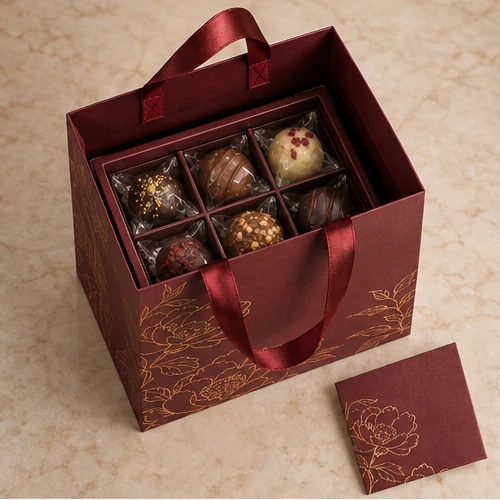
State finished internal box dimensions as length × width × height, and label product dimensions separately. A shopping bag uses width × side gusset × height and should be sized from the finished outer box with an agreed loading orientation. Do not reuse the bottle dimensions as bag dimensions. Identify the unit of measurement and mark all provisional dimensions.
03
Copy this enquiry checklist
Product name and current development stage:
Assembled product dimensions, units and loaded weight:
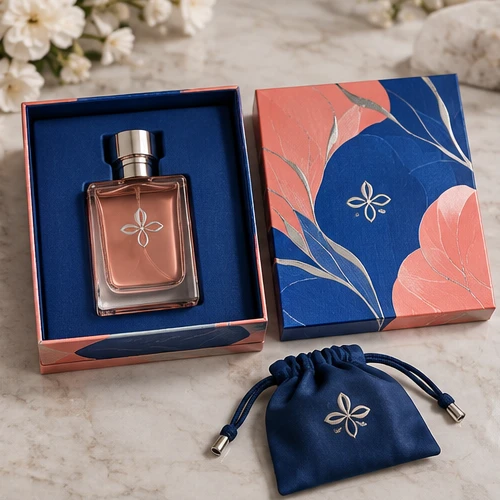
Insert, bag, card, ribbon and tissue requirements:
Quantity by size, artwork version and accessory:
Artwork files and separate foil / UV / emboss artwork, if ready:
Destination, target arrival date and delivery terms to discuss:
Optional budget range and currency:
Sample, tooling and testing requirements:
Mark missing items “to be confirmed” instead of guessing.
04
Ask for an itemized commercial scope
Separate the box, insert and accessories, and ask which print and finishing operations are included. Request sample and tooling costs separately, plus freight and any tax or duty assumptions. State whether packing takes place at your facility or elsewhere. A price for an empty box and a price for a packed gift set cover different work. Use the coffee set to consider whether tasting cards are supplied loose or placed in the box.
05
Food and sensitive product details need their own review
State whether packaging touches the food directly, the storage conditions and the destination. A general “food grade” label is not enough to determine suitability for a particular use. The FDA explains how food-contact component status is assessed for the United States; other destinations need their own review. This guide does not certify any catalogue pack.
06
Keep one current specification and a clear approval path
Attach the current artwork revision and identify who approves structure, colour and the physical sample. Do not approve print files while the structure is still changing. Start with the box planning tool if a visual draft helps, or send the checklist directly. Neither an account nor a completed tool design is required to enquire.
Can I ask for a quote before I know the material?
Yes. Share the product, quantity, opening preference and delivery needs, and mark the material undecided. A final price still needs an agreed specification.
Can a reference image replace dimensions?
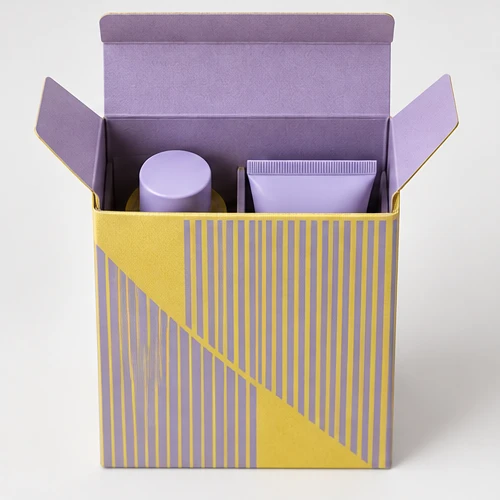
No. It communicates appearance and opening direction, but it does not establish the actual product envelope or manufacturing dimensions.
Should bags and ribbons use the same order quantity as boxes?
State quantities separately. Extra bags, multiple ribbon lengths or different artwork versions may change the required quantities and quote.
From guide to product
Compare packaging for your brief
Explore the opening, material and insert details for each design. These are options to review, not proof of a tested fit for your product.
 Bank Transfer
 PayPal