How to Verify a Packaging Supplier in China Before Sampling
Quick answer
Verify the company identity and the proposed production route before paying for a custom packaging sample. Then test whether the supplier can turn your actual product and artwork into a documented specification. A registered business, a certificate and an attractive portfolio answer different questions. For a coordinated tin-and-paper-box set, identify who supplies each component and who approves the fit between them before comparing the total quotation.
By Hugo He · Custom Packaging Consultant, MTT Packaging · Updated 2026-11-02
Packaging design reference. Final fit, materials and finish are confirmed on an approved sample.
At a glance
Verify a packaging supplier in China: match the business identity, production scope, sample route and quotation before committing to custom packaging.
Ask for the registered Chinese company name and registration identifier, then compare them with the entity named on the quotation and proposed order. Record the business address and the person responsible for the project. A brand name on a website may differ from a legal company name; ask for the relationship to be explained rather than assuming they are interchangeable.
The Canadian Trade Commissioner Service’s China due-diligence guide recommends checking registration and licence information through China’s National Enterprise Credit Information Publicity System and confirming the authority of representatives. Its scope is Canadian businesses working with Chinese partners; the identity checks are a useful starting point, not a complete assessment of a packaging project.
02
Separate the sales contact from the production responsibilities
Ask who develops the structure, makes the sample, prints the wrap, supplies the container and assembles the finished set. A coordination business can provide a useful service, but the proposal needs to state that role clearly. Do not assume every process shown in a portfolio takes place at one facility.
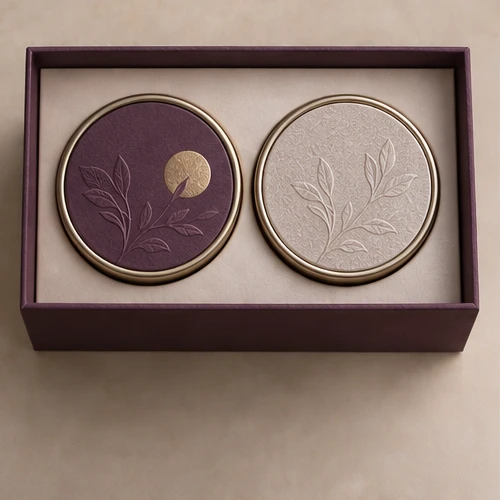
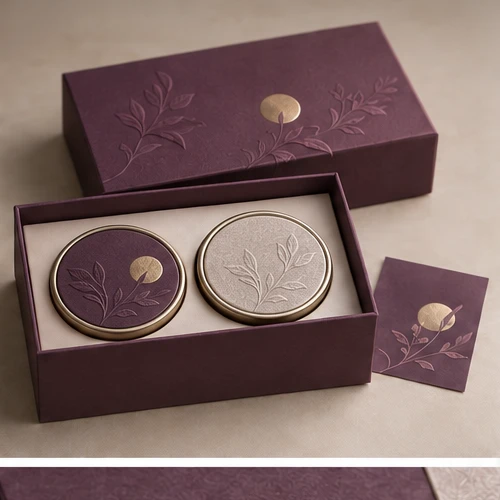
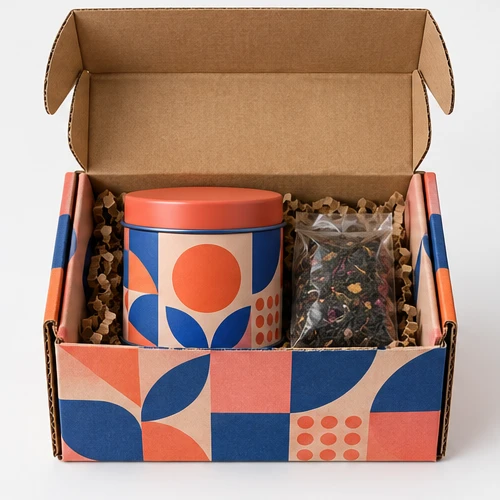
For the MTT two-tin lift-off gift-box design shown above, split the brief into the containers, paper box, insert and decoration. The image shows two round tins in a coordinated presentation layout. It does not identify a production facility. Use the design to ask concrete questions: who confirms the finished tin dimensions, who signs off the insert cavities, and who checks the complete assembled set?
If you already have filled tins, review paper outer-box options. If the supplier must also provide the containers, include the metal-container specification in the same responsibility record. Keep the two specifications separate so a lid or body-size change reaches the person designing the insert.
03
Ask for evidence that matches the proposed route
A sample from an unrelated project can show a finish or an opening style. Ask which features are representative of your proposal and which will change. For a wrapped rigid box, that might include the wrap material, corner treatment and insert construction. For a printed tin, it might include the closure and decoration route. A photograph alone cannot demonstrate the fit of your contents.
ASQ’s supplier-quality guidance describes selection criteria such as capacity, technical support and total cost, alongside methods including quotations against specifications, supplier visits and sample evaluation. Apply those methods to the actual scope: request a sample plan that identifies the proposed materials, production methods and any substitutions. Keep a list of what the sample can approve and what needs a later check.
A useful first response identifies missing inputs and explains the proposed sequence. An immediate price without dimensions or component scope gives you less to compare, even when the quoted number looks attractive.
04
Check certification separately from product approval
If certification is relevant to the brief, request the certificate details and verify the entity, status and applicable scope. IAF CertSearch’s instructions explain certificate-number lookup and status checks. They also describe several reasons a record may not appear, so a missing search result requires follow-up rather than an automatic accusation.
Use the existing packaging supplier certification guide for that check. Keep the certificate record separate from the approved packaging sample, dimensional specification and inspection requirements. A verified company record does not tell you whether a particular lid fits or a printed surface matches your artwork.
05
Use a short decision record before ordering a sample
Identity: company name, registration reference and named project contact checked against the proposed order.
Scope: container, outer box, insert, decoration and assembly responsibilities listed.
Sample: materials and production route identified, with substitutions disclosed.
Quotation: quantities per version, included components and one-time charges separated.
Approval: sample purpose, drawing revision and acceptance questions recorded.
Delivery: destination and the event that starts the proposed schedule stated.
Mark each item confirmed, awaiting evidence or outside the supplier’s scope. Do not collapse the record into a single supplier score that hides an unresolved dependency. For the two-tin set, an attractive outer-box sample is still incomplete if the final tins have not been selected and their dimensions are changing.
Once these responsibilities are clear, use the sample approval checklist to manage the physical sample. This verification step selects a workable project route; sample approval decides whether the resulting packaging meets the brief.
06
Keep the quotation and later changes connected
Ask the supplier to name the drawings, artwork versions and component list used for its quotation. When a component changes, identify which dimensions, costs and approvals must be reopened. If a different party will assemble the set, give that party the same packing specification instead of a screenshot of the approved appearance.
Save the dated correspondence with the identity and scope record. It gives the buyer and supplier a shared reference when the project moves from an initial enquiry to sampling. External sources were reviewed on 2 November 2026; the illustrated MTT design is used to explain component responsibilities, not to claim an audit or certification.
From guide to product
Compare packaging for your brief
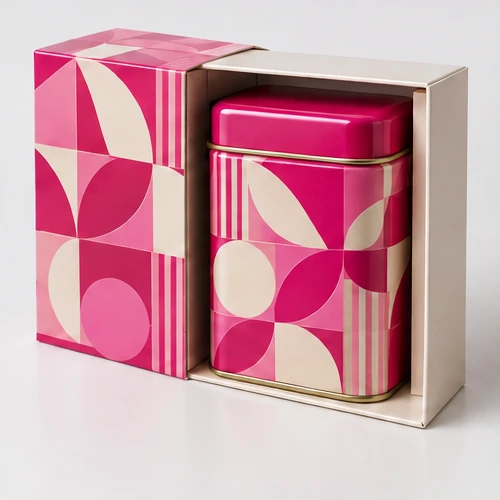
Explore the opening, material and insert details for each design. These are options to review, not proof of a tested fit for your product.
 Bank Transfer
 PayPal