ISO Certification for Packaging Suppliers: What Buyers Should Verify
Quick answer
An ISO logo does not tell you which standard, production site or activity has been certified. Request the actual certificate, verify its current status and compare its scope with your packaging order. If the requirement is a quality management system, identify the applicable standard and edition explicitly. Keep product testing, sample approval and shipment inspection as separate requirements.
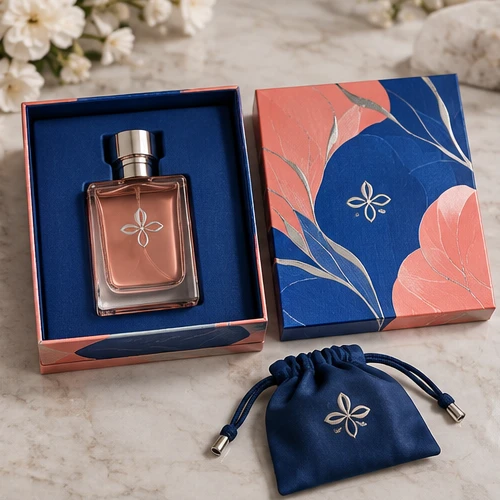
Packaging design reference. Final fit, materials and finish are confirmed on an approved sample.
At a glance
Verify a packaging supplier’s ISO standard, certificate scope, site and status, then connect quality-system evidence to samples, changes and shipment approval.
Identify the standard instead of accepting “ISO certified”
ISO develops standards; external certification bodies issue certificates. ISO itself does not certify a factory, and its logo is not a generic certification mark available for supplier advertising. Source: ISO certification guidance.
For a quality-management requirement, buyers often refer to ISO 9001. Other management standards address different subjects. Read the exact standard and edition on the proposed partner’s evidence instead of assuming that a familiar logo means quality, environmental, safety and product approval all at once.
This article does not identify a particular ISO standard as held by every MTT production partner. That information must come from the relevant partner’s current documents. Where an edition is in transition, ask the certification body to confirm the certificate’s status and applicable transition arrangements; do not guess from the publication date of a newer standard.
02
Check the organisation, site and scope together
Supplier certificate verification worksheet
Field
Buyer check
Practical question
Legal holder
Match the company named in the supply arrangement.
Who actually operates the proposed production site?
Site
Check the address and any site annex.
Is this job made at the site covered by the evidence?
Standard and edition
Record the exact designation.
Does it satisfy our contractual requirement?
Certified scope
Read the activities and exclusions.
Does it cover the packaging work being proposed?
Status and issuer
Verify with the issuer or appropriate database.
Is the certificate active and is the issuer identifiable?
ISO points buyers to IAF CertSearch or the relevant certification and accreditation bodies for verification of accredited certification. Source: ISO verification guidance.
Keep the certificate and verification date in the supplier file. A matching group name is not enough if the scope describes a different activity. If assembly or finishing is subcontracted, ask how that work is controlled and which site performs it. Record unresolved questions before placing an order that depends on a specific qualification.
03
Translate a quality system into order records
A quality-management-system certificate should not be presented as certification of the individual box or proof that every delivered item is defect-free. ISO’s expected-outcomes guidance distinguishes system certification from product certification. Source: ISO/IAF expected outcomes for ISO 9001 certification.
The useful buying question is how the proposed partner will control your specification. Ask for the records that link the commercial order to the physical reference: drawing revision, artwork revision, material identity, approved sample, exceptions and release responsibility. The packaging brief guide helps assemble the inputs.
For a rigid box, identify the approved internal dimensions and insert geometry. For a folding carton, include the closure and packing method. An attractive sample with no revision reference is harder to reproduce or investigate than a controlled sample with clear acceptance notes.
04
Use one change scenario to test the handoff
Illustrative scenario: a skincare brand approves a carton and insert for one pump bottle. Before the reorder, the bottle supplier changes the pump collar. The outside carton still looks correct, but the product may no longer fit as approved.
Ask how the proposed production team would detect the changed input, assess it and obtain approval. The answer should identify the new product dimensions or sample, the revised insert drawing and the person who releases the change. It should not rely only on a previous purchase order or a certificate on the wall.
MTT’s role can include coordinating that product-to-packaging handoff with the manufacturing partner. The sampling process establishes the new reference, while reorder change control records what changed. Keep commercial approval and technical approval identifiable even if one person performs both.
05
Ask what happens when a lot does not meet the brief
Before shipment, agree the inspection scope, defect definitions and release authority. Ask how an affected lot is identified and held, what evidence supports sorting or rework, and who can accept a concession. Certification does not choose those order-specific limits for the buyer.
If a repeated problem occurs, a useful corrective-action response explains the cause, the affected goods, the action taken and the check showing whether the action worked. A replacement sample alone does not explain why the production problem happened. Avoid demanding a generic “zero defects” promise that nobody has translated into measurable requirements.
Use the production inspection checklist alongside supplier qualification. Together, the two records answer different questions: whether the proposed supplier meets the required system qualification, and whether the identified shipment meets the agreed order criteria.
06
Sources and evidence boundaries
Prepared by MTT Packaging editorial. Sources checked on 8 October 2026.
MTT is a China packaging development and manufacturing partner. Credential references in this guide concern the relevant production partner, not certification held by MTT itself. Partner documents, current status and the scope applicable to an order must be checked before making a purchasing or artwork claim. The checklists and scenarios are editorial buying guidance, not published customer results or a certification audit.
From guide to product
Compare packaging for your brief
Explore the opening, material and insert details for each design. These are options to review, not proof of a tested fit for your product.



 Bank Transfer
 PayPal