In this guide · 4 sections
- Make the two structures explicit
- Compare the same commercial scope
- Use sampling to close the gaps
- Explore the structure
111 / Shaped Packaging
Quick answer
When two suppliers quote a shaped gift box, the lower price may describe a different package. A hinged six-sided box with a radial insert and a separate-lid half-moon box are different assemblies. Compare each quote against a common brief and an agreed sample, then separate one-time costs from per-piece costs before deciding.
 By Hugo He · Custom Packaging Consultant, MTT Packaging · Updated 2026-11-18
At a glance
Compare shaped gift box quotes using the same insert layout, artwork, sample scope and delivery terms. Ask each supplier to itemise tooling and packing costs.
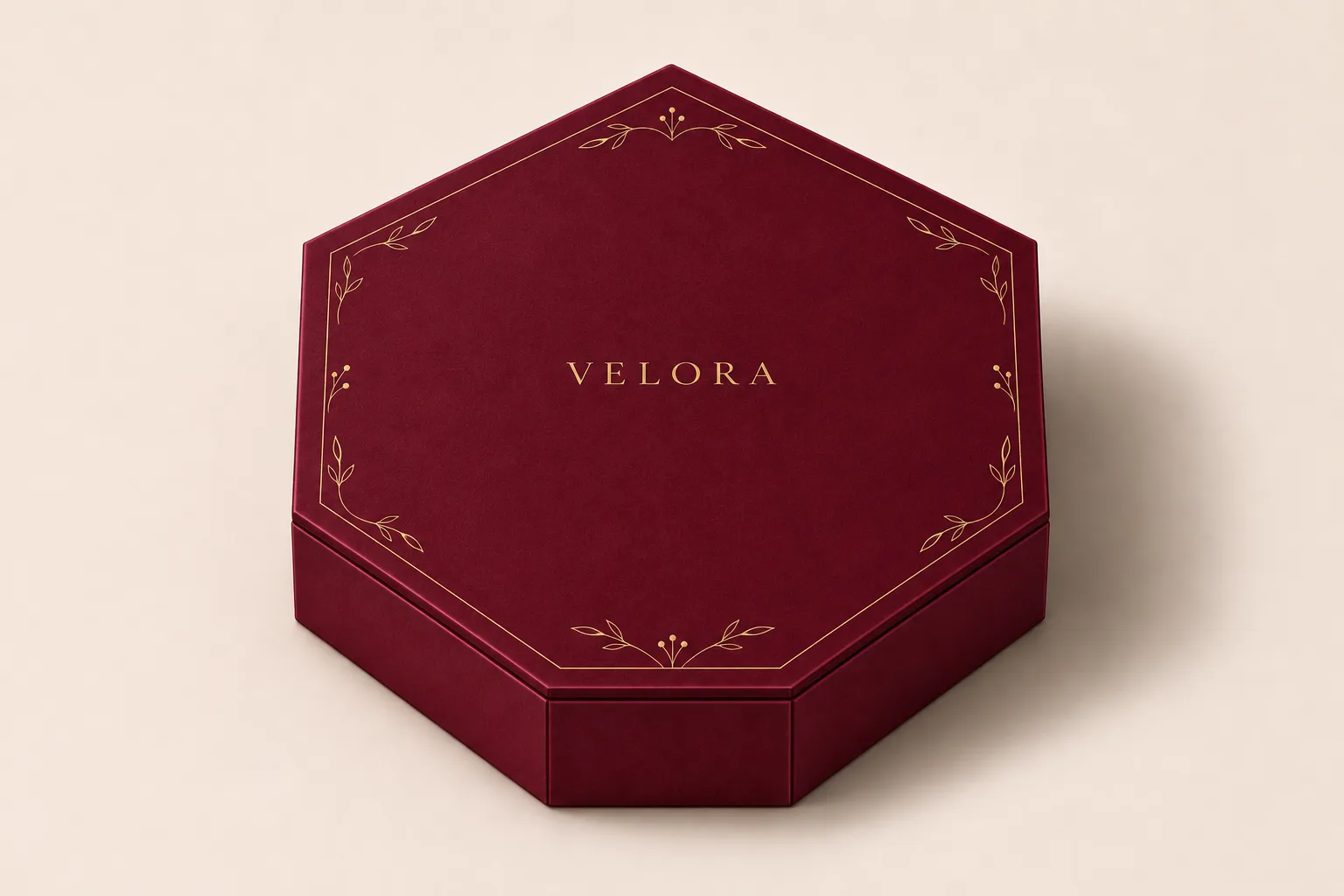
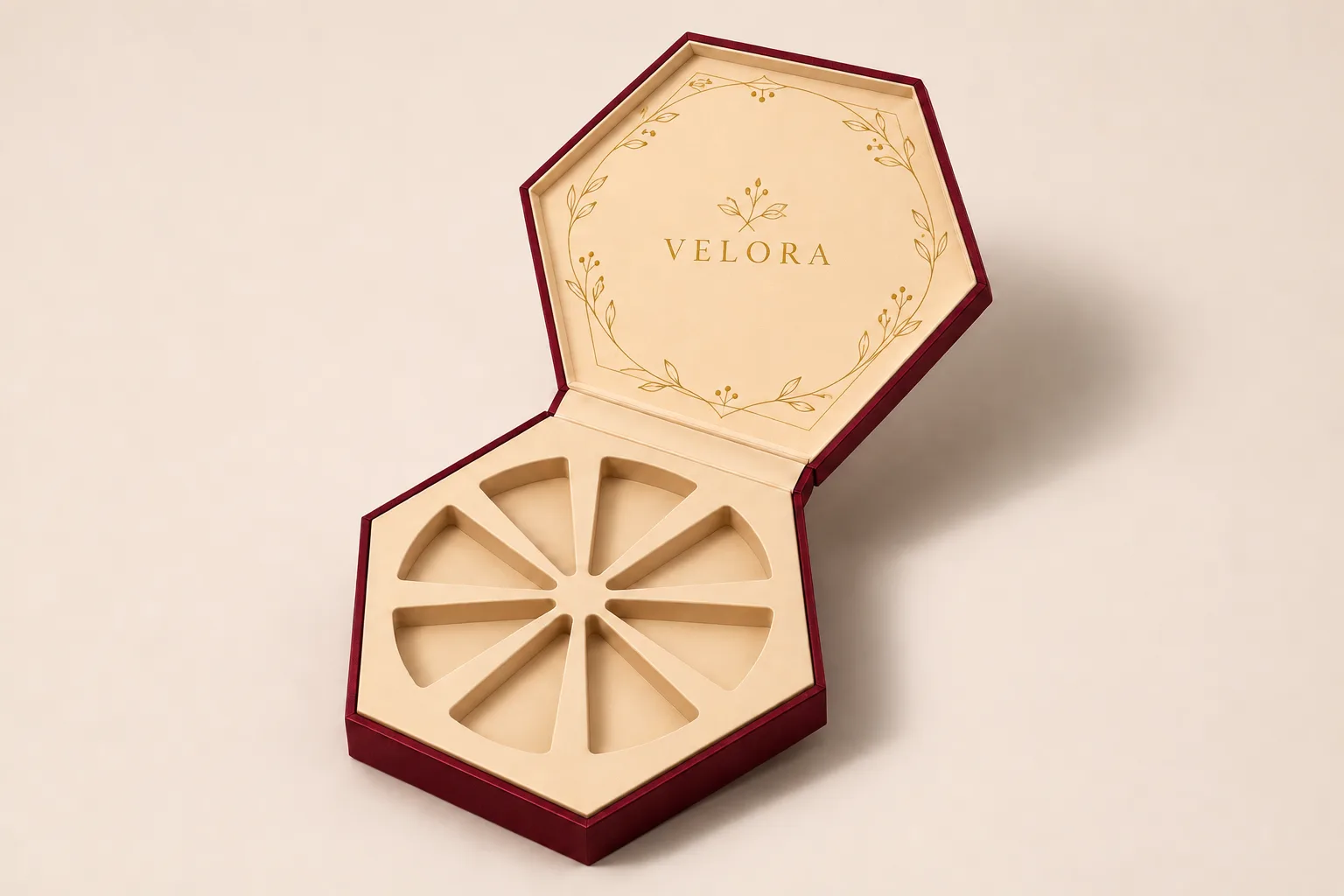
For the hinged format, identify the cover-to-base connection, closing method if any, insert layout and the number of compartments. For the half-moon format, identify the separate lid, curved wall, straight edge and the intended presentation orientation. Give inside and outside dimensions separately and identify the exact object or protective wrapping included in the fit. Ask each supplier to identify assumptions on its quote.
A visual reference can communicate shape, color and mood. It cannot confirm board grade, hinge durability, compartment count, tested load or material certifications. Treat the image as a concept until a structural drawing and representative physical sample have been reviewed.
Ask for separate lines for the outer assembly, insert and each optional accessory, together with printing, logo finishes, tooling and sample charges. Specify the total quantity and the number of different artworks or sizes. A change in art versions or packing method can change setup and handling; do not assume a single unit price applies across every configuration.
Request the shipping basis, destination, packing arrangement and the dimensions and weight of the packed master carton when available. Mark preliminary freight figures as estimates and confirm trade terms and what is included before comparing them. Flat or curved shapes can pack differently even when the finished presentation areas appear similar.
Agree which revision of the drawing and artwork each sample represents. Place the actual contents and accessories in the sample, check the opening and closing sequence, and record the dimensions and visible finish against the brief. Inspect the curved wrap, polygon corners or hinged area as appropriate to the structure. Check the fully packed set using a test plan suited to its actual distribution route; a supplier's sample approval is not a substitute for an agreed transport test.
Where a component is made from folding paperboard, the board and crease must be assessed together. Holmen Iggesund's converting guidance describes how crease design and material properties affect folding; it does not certify an individual finished rigid box.
Brief for MTT: send the reference shape, product list and dimensions, target quantity per design, logo file, proposed material or finish, optional accessories and destination. MTT can review custom briefs from 1,000 pieces per design; all product fit and material choices remain subject to sample approval.
Review the packaging concept and send the actual contents and specification for a sample review. Images illustrate concepts, not completed projects.
From guide to product
Explore the opening, material and insert details for each design. These are options to review, not proof of a tested fit for your product.
Rigid gift boxes · Book-style hinged box
Custom paper wrap; color confirmed by sample
View structure & details →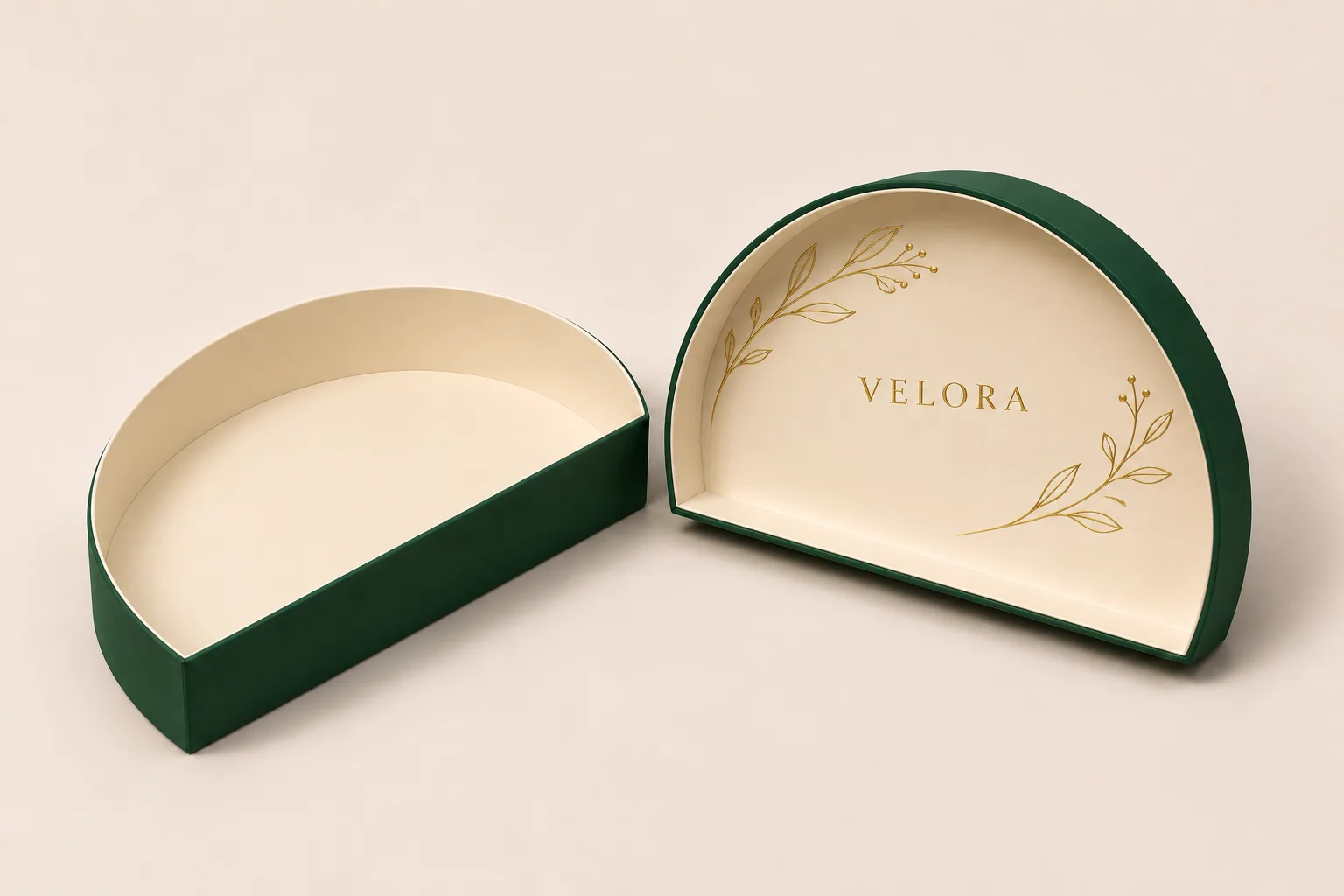
Rigid gift boxes · Separate lift-off lid
Custom paper wrap; color confirmed by sample
View structure & details →
Rigid gift boxes · Hexagonal lift-off box
Textured dyed wrapping paper
View structure & details →Payment Options
Available for confirmed production orders.
Available for eligible payments.
Available payment methods may depend on order value, project stage and transaction arrangements confirmed with MTT Packaging.
 Bank Transfer
 PayPal