In this guide · 4 sections
- Simulate one line change
- Compare common and dedicated print
- Set a reading position
- Write the sign-off in packing order
120 / Cosmetic packaging procurement
Quick answer
A shared printed carton reduces artwork versions only if the packer and the customer can both identify the enclosed shade. Decide which identifier remains on the primary pack, which belongs on the outer carton and when the match is checked. Test the process with the two shades that are easiest to confuse.
 By Hugo He · Custom Packaging Consultant, MTT Packaging · Updated 2026-11-20
At a glance
A shared printed carton reduces artwork versions only if the packer and the customer can both identify the enclosed shade.
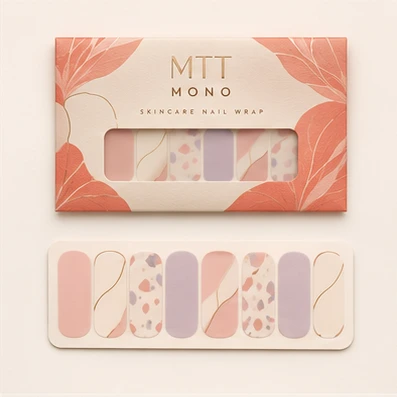
Place the previous shade and the next shade side by side with their actual carrier cards. Pack one of each in the proposed envelope. Ask someone who did not prepare them to identify both using the closed cartons. Similar artwork can make a window a weak identifier even when the colour appears clear in a design file.
A common shell plus a variable label lets the same blank serve several shades. It introduces a label selection step. A dedicated printed shell removes that step but creates more packaging inventory. Ask for costs at the actual quantity per shade and identify which packaging remains usable if one shade is discontinued.
Choose an area visible after folding and away from the flap edge. If the label carries a retail barcode, have the brand supply the approved code for that exact saleable item and verify it on the finished pack. A successful phone scan alone does not prove retail print quality.
Record the shade reference, carrier ID, carton or label revision and finished photograph for the first accepted pack of each changeover. Build a deliberate mismatch into the trial and confirm where it is caught. Keep customer-facing shade naming identical across the pack and order specification.
Review the windowed nail wrap envelope alongside your actual components. See the cosmetic packaging specification guide for the dimensions and artwork needed for a quotation.
From guide to product
Explore the opening, material and insert details for each design. These are options to review, not proof of a tested fit for your product.
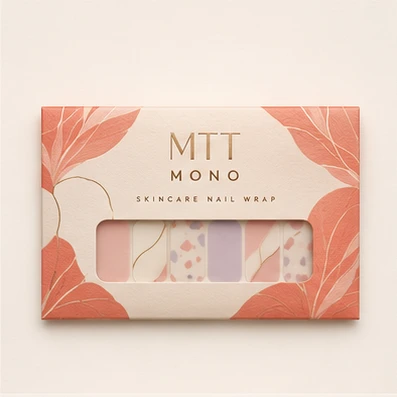
Folding cartons · Window envelope carton
Printable paperboard; surface and colour confirmed by sample
View structure & details →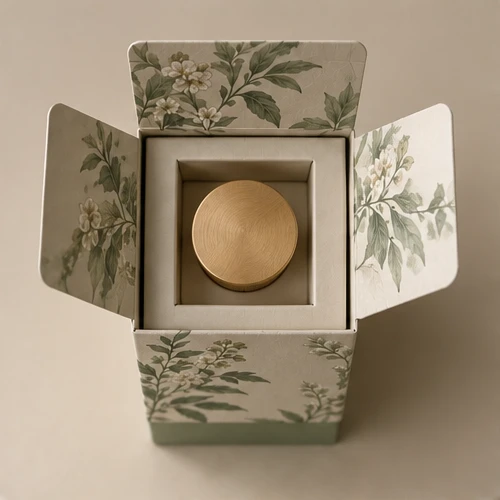
Folding cartons · Tuck-end carton
Direct print on paperboard
View structure & details →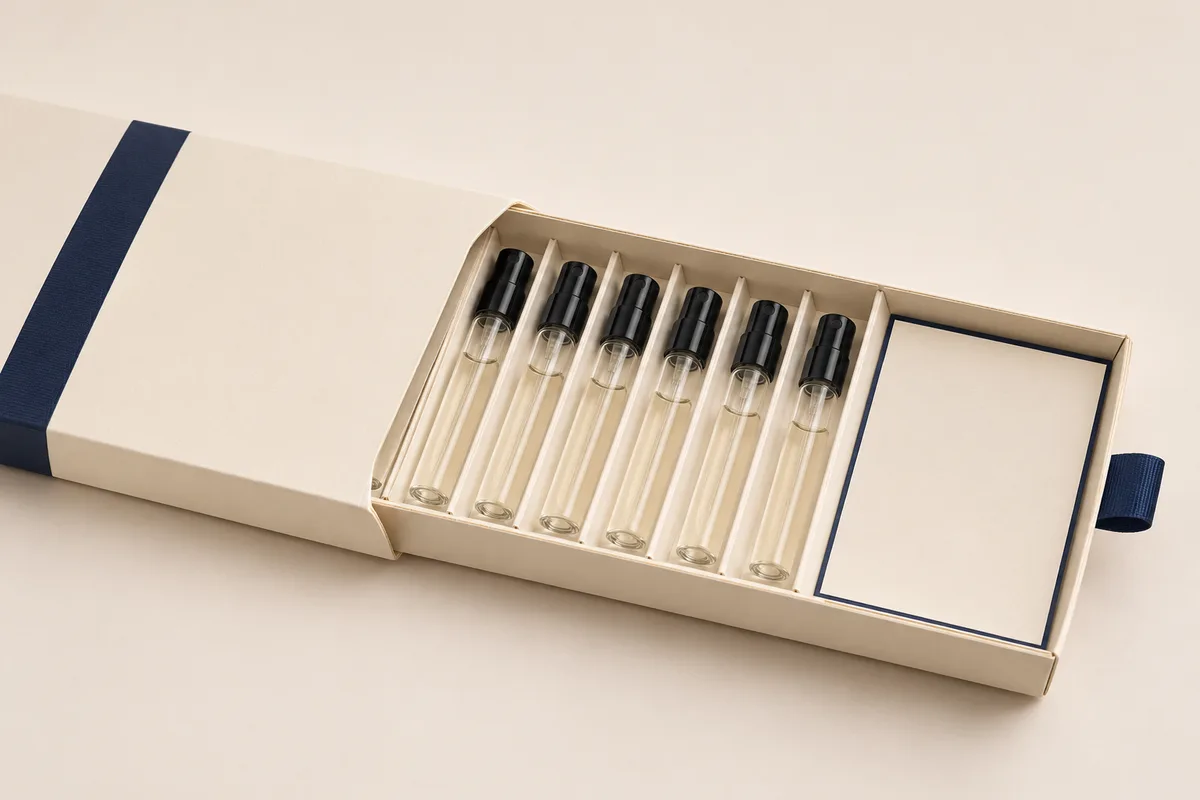
Folding cartons · Paperboard sleeve and tray
Printable paperboard; surface and colour confirmed by sample
View structure & details →Payment Options
Available for confirmed production orders.
Available for eligible payments.
Available payment methods may depend on order value, project stage and transaction arrangements confirmed with MTT Packaging.
 Bank Transfer
 PayPal