GMI Printing Certification: Build a Packaging Colour Approval Brief
Quick answer
If your packaging brief requires GMI, confirm the exact printer and the customer programme before approving production. Then define the physical colour reference, substrate, finish and measurement conditions for the job. A facility credential cannot replace an agreed artwork and colour approval. For a coordinated box-and-bag range, approve each material separately and compare the finished components together.
Packaging design reference. Final fit, materials and finish are confirmed on an approved sample.
At a glance
Turn a GMI printing requirement into a packaging approval brief: verify the print site, colour reference, measurement method, finish and reorder controls.
GMI refers here to Graphic Measures International in packaging print qualification. A publicly available GMI-issued recognition letter refers to a designated programme’s approved print-supplier matrix. It is a historical example of programme-linked qualification, not evidence about MTT or its partners’ current status. Source: GMI-issued recognition letter, hosted by MM Group.
Ask the buying team which programme and current requirements apply. Obtain the proposed site’s current evidence and verify acceptance through the programme owner or customer. Match the manufacturing address and printing process to the job. Do not treat another site’s certificate, or a supplier website logo, as sufficient approval.
This guide does not reproduce a current GMI scoring manual or prescribe programme pass marks. Public historical material is insufficient for those claims. If a retailer mandates a specific approved source, settle that requirement before treating a quotation as production-ready.
02
Write the colour reference so two suppliers can use it
“Match our brand green” needs a controlled reference. Record the artwork revision, spot or process-colour specification, approved physical sample, substrate and finish. State whether the comparison is made before or after coating. A phone image is useful for discussion, but its appearance depends on capture, screen and viewing conditions.
A useful reference pack contains a labelled retained sample and a written measurement brief. The parties should agree the colour-difference formula, instrument setup, measurement conditions, locations and acceptance limits. X-Rite explains colour tolerances as an agreed boundary around a target, with different calculation methods affecting how differences are evaluated. Source: X-Rite colour tolerancing white paper.
Do not copy a universal Delta E threshold from a marketing page. The customer’s programme, materials and approved appearance determine the acceptable limits. Do not compare results from different methods as if the numbers were interchangeable.
03
Separate print variables from finishing variables
Colour approval fields for a custom packaging job
Control
What to agree
What can otherwise go wrong
Reference
Identified master, artwork revision and approval date.
Printer matches an obsolete sample.
Substrate
Actual paper grade, colour and surface.
The same artwork looks different on the bag and box.
Measurement
Formula, instrument conditions, locations and limits.
Two apparently similar reports cannot be compared.
Finish
Coating, lamination or foil and when to judge appearance.
Unfinished sheets pass but finished packs disappoint.
Release
Approver, exceptions and retained production reference.
An informal photograph becomes the supposed master.
For a luxury rigid box, the visible surface may be a wrapped speciality paper rather than the structural board. Evaluate the printed wrap and then the assembled pack. On a folding carton, include folds, solid areas and small text in the visual review. Neither a colour reading nor a facility credential answers whether the crease, glue seam or insert works.
Approve a coordinated set under one comparison plan
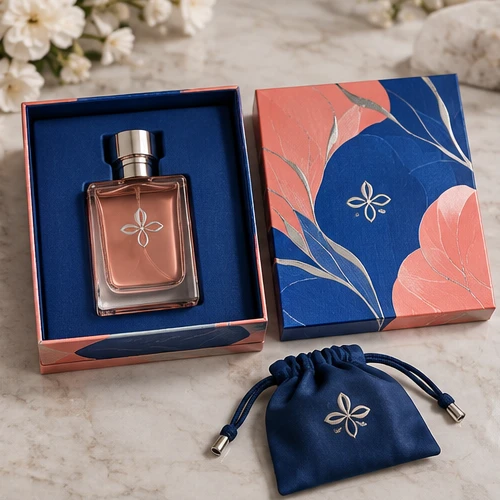
Illustrative scenario: a perfume launch combines a wrapped rigid box and a paper bag. Both use a dark blue graphic. Their paper surfaces differ, and the bag has a different protective finish. Matching the ink recipe alone is not an adequate approval instruction.
Have each proposed print route produce a representative sample. Review the two finished components side by side under agreed conditions, then record any accepted difference. If the brand requires an especially close visual match, discuss material and finish alignment before repeated colour corrections. A substrate change may solve more than another artwork adjustment.
Keep the comparison set intact. Sending the box to one supplier and the bag to another without a shared reference invites two locally acceptable but visibly mismatched results. A retained paired set gives the buyer a clearer basis for reorder approval.
05
Carry the approval into production and reorders
Record the site, process, material grade, artwork version, colour reference and finishing specification in the released brief. Ask the printer to retain the agreed measurement and visual records with the identified production lot. Any reported deviation should identify the affected component and decision owner.
Define when a change needs renewed approval: paper substitution, press route, coating, artwork, foil or manufacturing site. See reorder specification change control for recording those decisions. Where a customer programme applies, its change rules take precedence over an informal “same as last time” instruction.
MTT can coordinate the packaging brief and partner handoffs. Current programme acceptance remains a matter for the actual printer and relevant customer or programme authority. Shipment release should also include the separate structural and workmanship checks in the packaging inspection checklist.
06
Sources and evidence boundaries
Prepared by MTT Packaging editorial. Sources checked on 8 October 2026.
MTT is a China packaging development and manufacturing partner. Credential references in this guide concern the relevant production partner, not certification held by MTT itself. Partner documents, current status and the scope applicable to an order must be checked before making a purchasing or artwork claim. The checklists and scenarios are editorial buying guidance, not published customer results or a certification audit.
From guide to product
Compare packaging for your brief
Explore the opening, material and insert details for each design. These are options to review, not proof of a tested fit for your product.



 Bank Transfer
 PayPal