Collector Packaging: Let Material Support the Story
Quick answer
For collector packaging, choose materials that support an authorised product story and remain practical to source and finish. Confirm evidence before describing a special provenance. Test the finest decoration on the actual paper, then check retention separately. An expensive finish adds little if it obscures the message or cannot be repeated consistently for the order.
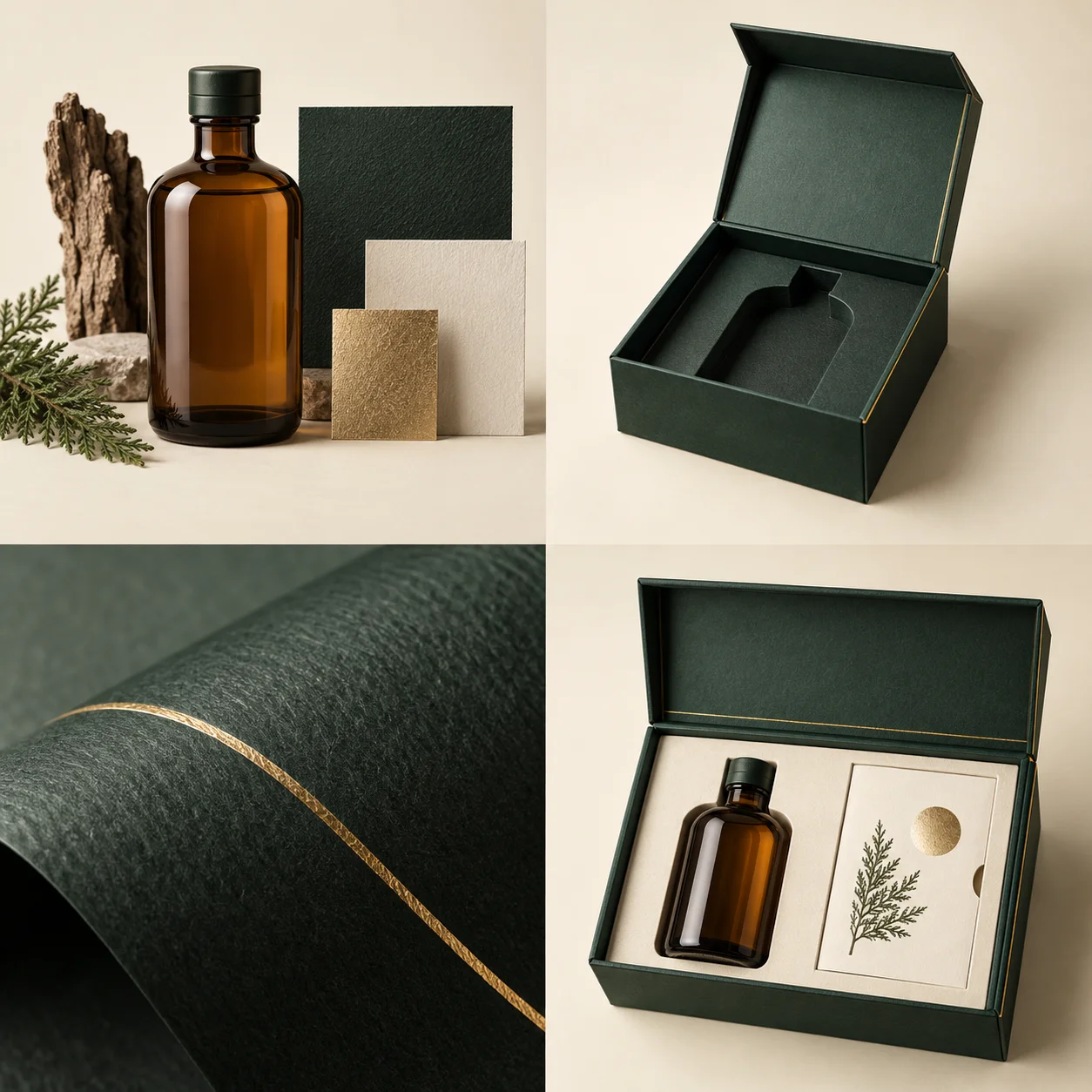
Four stages explain the product requirements, structure and finishing choices. AI-generated visualizations; final construction and finish are confirmed through physical sampling.
01 · Product requirements
Connect the visual direction to a documented product story and approved assets.
02 · Structure direction
Plan a supported bottle position within a presentation box.
03 · Materials & finishing
Use texture and a focused foil detail; approve the physical finish combination.
04 · Complete packaging presentation
Review the bottle, story card and box together, with shipping packing specified separately.
01
Published reference
Avery Dennison’s Pentawards feature describes Lost Barrels by Meyer-Näkel and the design by Ruska Martín. Its account links the packaging material and visual details to the product story. This is third-party editorial reference material, not an MTT client case. Read the Avery Dennison M_use: Pentawards 2024.
02
The buyer’s challenge
A collector pack needs a reason for its materials beyond expense. Identify the detail the buyer should notice first and explain how it relates to the product. Do not invent a provenance story or use material claims that cannot be documented.
03
Structure and material direction: our analysis
For a paper-based presentation direction, compare a textured wrap with a restrained foil detail rather than adding multiple competing finishes. If a customer requests reclaimed or specially sourced material, review consistency, availability and evidence before committing. A substitute paper cannot be described as the original material.
04
What to check in sampling
Approve the paper, foil and colour together. Check the finest artwork details, edge wrapping and resistance to ordinary handling. A decorative sample should be accompanied by a separate assessment of how the product is retained and shipped.
05
Plan for a material replacement before it is needed
If a special stock becomes unavailable, decide which features can change and which claims must be removed. A similar colour can preserve a visual reference without preserving provenance. Retain an approved fallback sample and separate its description from the original material story.
06
Prepare a comparable quotation
Supply the brand story, authorised assets, required material claims, product dimensions and quantity. Separate decorative setup costs from the structural package and transport packing in the quote. Review finishing proofs.
07
Image and project credits
The four-stage images were generated specifically for this analysis. They illustrate a proposed direction and do not show the referenced brand’s packaging. Original project credit belongs to the creators linked above. No affiliation, manufacturing relationship or production performance is implied.
From guide to product
Compare packaging for your brief
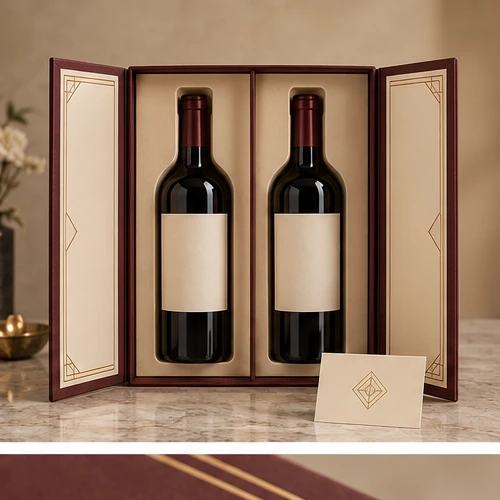
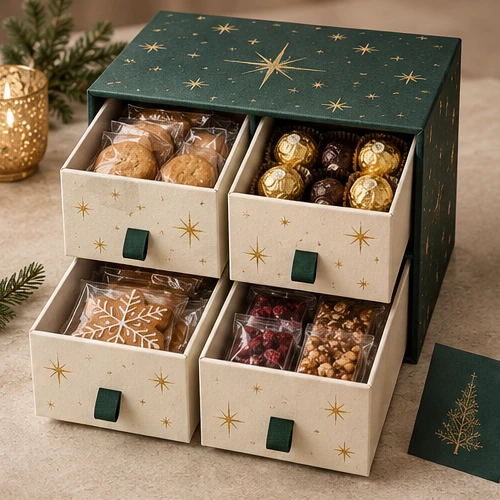
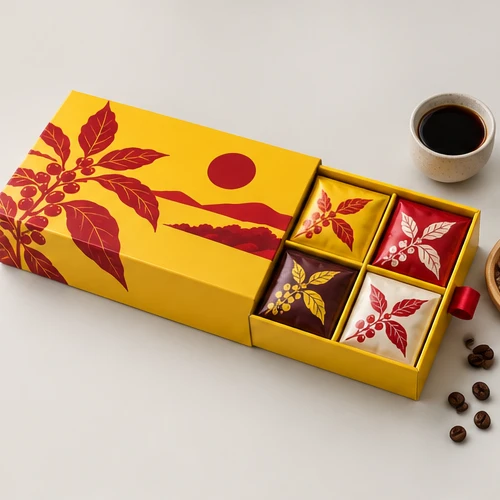
Explore the opening, material and insert details for each design. These are options to review, not proof of a tested fit for your product.
 Bank Transfer
 PayPal