Before Ordering Custom Packaging: Five Decisions to Settle
Quick answer
Before ordering custom packaging, settle five decisions: what goes inside, how it will be packed and delivered, what presentation matters, what quantity is usable, and what approval evidence is required. An early design can remain flexible, but unresolved product dimensions or delivery scope should be marked provisional rather than silently built into a quotation.
Use the dimensions with caps, labels and accessories fitted. If the product is still changing, identify the frozen and provisional measurements. We would delay final insert tooling when the bottle or accessory envelope remains uncertain, while still discussing opening styles and visual references.
02
2. Who packs it, and how does it travel?
A flat-supplied box needs an assembly step at the destination. A retail presentation box may also need an outer shipper. Describe parcel, pallet or hand-delivered use and ask the packing team to trial the sequence. A design that is quick to open can still be awkward to fill.
03
3. Which visual detail must survive cost changes?
Identify the main brand signal: colour, texture, a foil mark or an opening reveal. Compare physical alternatives around that priority. Adding every available finish can increase handling and make a clear hierarchy harder to achieve; simplifying a secondary finish is different from weakening the product support.
04
4. How many of each version will actually be used?
Split quantity by size and artwork, not just total boxes. Compare order spend, storage and the risk of obsolete branding before increasing volume for a lower unit price. Record the current delivery scope when comparing quotes; see the quotation guide.
05
5. What constitutes approval?
Name the people responsible for artwork, product fit and commercial approval. Keep one revision list and an assembled sample reference. If the sample uses substitute materials, document the missing checks before production. The packaging brief checklist turns these decisions into supplier inputs.
From guide to product
Compare packaging for your brief
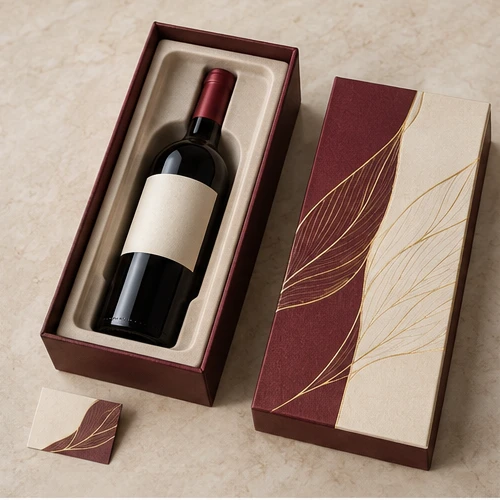
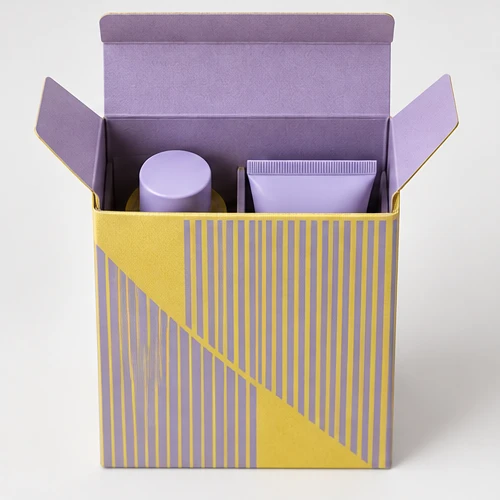
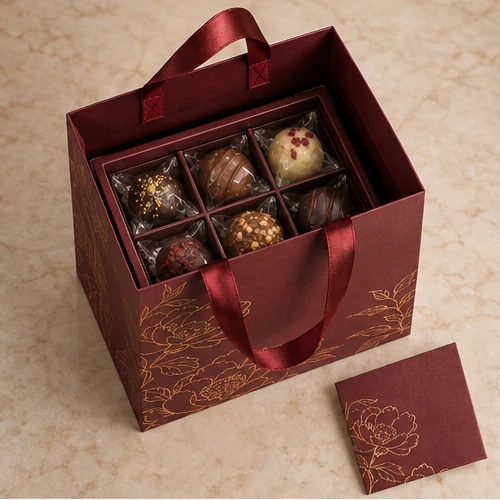
Explore the opening, material and insert details for each design. These are options to review, not proof of a tested fit for your product.
 Bank Transfer
 PayPal