In this guide · 4 sections
- Mark the moving parts before drawing the nest
- Let the buyer grip the frame on removal
- Close the lid with the instruction card installed
- What to include in the supplier brief
156 / Musical accessory packaging procurement
Quick answer
Place a capo on a sheet of paper and trace its outline. The drawing tells you where the part sits, but a tightly cut pocket can press the handles just as a player would. Ask the capo supplier for the approved resting position and the frame areas the pack can support before cutting the first insert.
 By Hugo He · Custom Packaging Consultant, MTT Packaging · Updated 2026-11-25
At a glance
Kyser describes its acoustic Quick-Change model as spring-loaded. Let the buyer grip the frame on removal.
Kyser describes its acoustic Quick-Change model as spring-loaded. Different capo mechanisms require different packouts. For the buyer's exact part, mark the pivot, gripping pads and the handles' travel on two views. With the sample in its agreed resting position, select stable frame contact points and keep the tray walls clear of the moving handle.
Compare a shallow frame saddle with a deeper pocket in the same board footprint. The deep version can control sideways movement yet encourage a person to squeeze the handles to extract the item. Cut a finger recess beside a supported section and observe someone opening the unlabelled sample. If their first instinct is to lever on the padded jaw, move the recess and repeat.
A thick instruction fold can bridge a recess and push down on the handle. Close the loaded box under its own normal closure and inspect the position of the card after reopening. Record the allowed paper stock, fold count and card position with the insert drawing. If several capo models share the same artwork, repeat the closure test for the tallest handle.
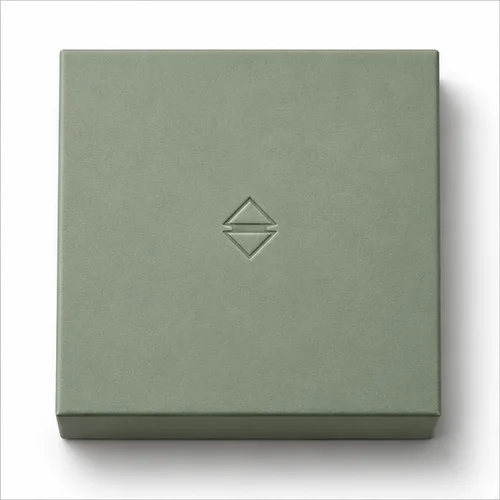
Mark the approved contact areas and the surfaces that must remain clear on a drawing of the packed accessory or its supplied case. Identify who supplies protective covers, who loads the retail set and who signs off the loaded sample. Compare the spring guitar capo lift-off box concept with the outer carton specified for your distribution route. Request separate prices for the presentation box, insert, sample and shipping outer.
Technical reference: Kyser spring capo mechanism. Model-specific instructions take precedence. The buyer should specify the transport test and arrival inspection separately.
From guide to product
Explore the opening, material and insert details for each design. These are options to review, not proof of a tested fit for your product.
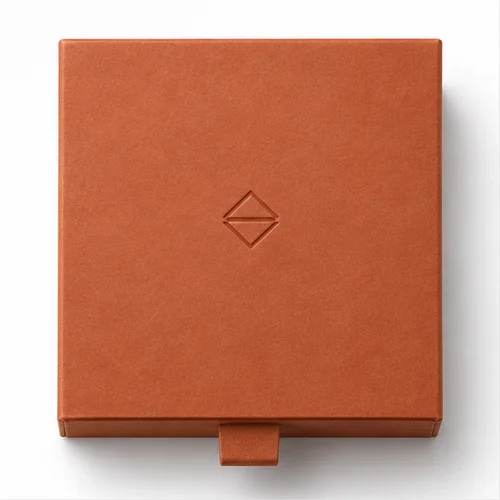
Rigid gift boxes · Drawer box
Custom wrapping paper, colour and texture by sample
View structure & details →Rigid gift boxes · Lift-off lid
Custom wrapping paper, colour and texture by sample
View structure & details →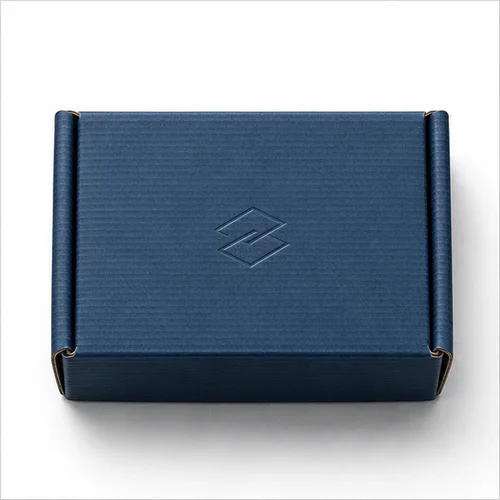
Corrugated packaging · Roll-end mailer
Kraft liner
View structure & details →Payment Options
Available for confirmed production orders.
Available for eligible payments.
Available payment methods may depend on order value, project stage and transaction arrangements confirmed with MTT Packaging.
 Bank Transfer
 PayPal