In this guide · 4 sections
- Trace the flare as well as the straight section
- Try withdrawing the centre slide first
- Check the drawer in its direction of travel
- What to include in the supplier brief
155 / Musical accessory packaging procurement
Quick answer
A player's ring size tells them whether a slide fits a finger. It tells a packaging buyer very little about how three slides will sit in a drawer. Ask for the outside profiles, lengths and packed weights, then trial the smallest and largest samples in the same finished divider before approving a common tool.
 By Hugo He · Custom Packaging Consultant, MTT Packaging · Updated 2026-11-25
At a glance
Specify guitar slide box dividers using measured inner diameter, outer diameter and length, with finger access to lift the centre slide first.
Dunlop gives separate inside diameter, outside diameter and length for its medium flared slide and notes variation in handmade pieces. For your range, measure several representative units at both ends and around the widest part. A channel based only on the centre diameter may pinch a flared rim while leaving the middle unsupported.
Set three dummies side by side in separate channels. Leave a pickup recess beside each body so a player can take the centre slide without nudging the neighbouring glass. Then check the thinnest slide for rolling or movement towards the end stop. If one large pocket fits the whole range poorly, compare replaceable end blocks with dedicated trays and quote the changeover work.
Pull the loaded drawer to its intended stop and inspect the end clearance and divider position. A face that separates glass at rest may bend enough to bring two pieces together during handling. Use witness material on dummies to locate possible contact, then agree the complete outer carton and transit assessment with the buyer. A clean bench check alone cannot establish parcel protection.
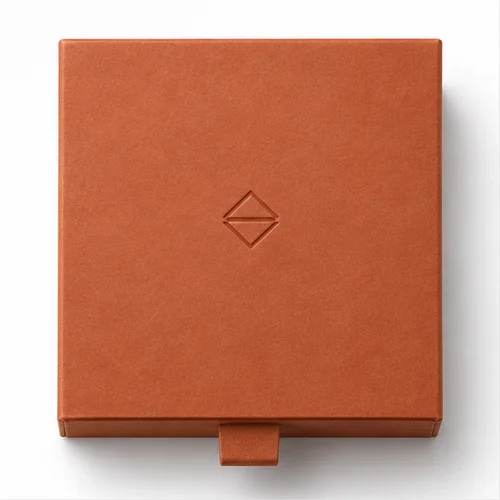
Mark the approved contact areas and the surfaces that must remain clear on a drawing of the packed accessory or its supplied case. Identify who supplies protective covers, who loads the retail set and who signs off the loaded sample. Compare the glass guitar slide trio drawer box concept with the outer carton specified for your distribution route. Request separate prices for the presentation box, insert, sample and shipping outer.
Technical reference: Dunlop flared glass slide dimensions. Model-specific instructions take precedence. The buyer should specify the transport test and arrival inspection separately.
From guide to product
Explore the opening, material and insert details for each design. These are options to review, not proof of a tested fit for your product.
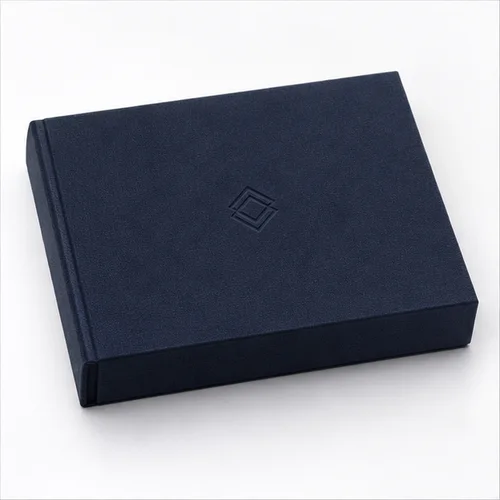
Rigid gift boxes · Hinged book box
Custom wrapping paper, colour and texture by sample
View structure & details →Rigid gift boxes · Drawer box
Custom wrapping paper, colour and texture by sample
View structure & details →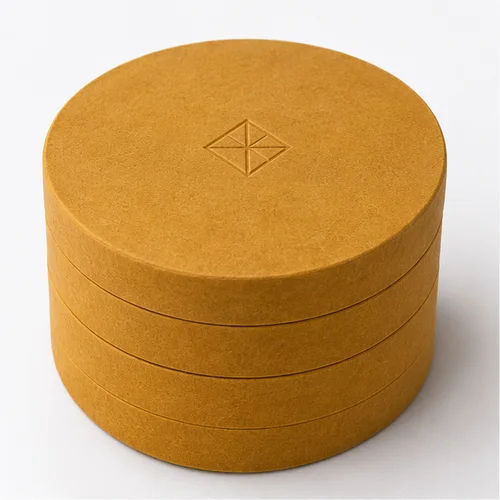
Rigid gift boxes · Round box
Custom wrapping paper, colour and texture by sample
View structure & details →Payment Options
Available for confirmed production orders.
Available for eligible payments.
Available payment methods may depend on order value, project stage and transaction arrangements confirmed with MTT Packaging.
 Bank Transfer
 PayPal