In this guide · 4 sections
- Measure the closed case across the latch
- Compare one recess with a two-part presentation
- Thread the ribbon through the loaded sample
- What to include in the supplier brief
154 / Musical accessory packaging procurement
Quick answer
A retailer wants the instrument visible when the lid opens. The musician wants the carry case after the presentation box goes into storage. Before choosing the window or the lining, decide whether the packer will present an instrument inside its closed case or display both pieces separately. The same footprint rarely serves both arrangements well.
 By Hugo He · Custom Packaging Consultant, MTT Packaging · Updated 2026-11-25
At a glance
Hohner lists a plastic snapcase with its Special 20. Compare one recess with a two-part presentation.
Hohner lists a plastic snapcase with its Special 20. Ask the brand for its actual case revision and measure it closed, including the latch and hinge. Mark the lid-opening direction on the drawing. If the case must be removed to open it, place the pickup point where a thumb will lift the base without accidentally operating the latch.
A single case pocket can keep the instrument in its supplied enclosure and reduce packing steps. A separate display pocket gives the retail team a clearer view, but adds a second handling operation and requires an approved contact area on the instrument. Price those operations separately. Ask the brand to approve handling of any surface that contacts the player's mouth.
Position the lift ribbon beneath the case body and try it with the full weight in place. A narrow ribbon running under one end can tilt the case into the hinge wall. Move it toward the centre of the load, then check whether a person can still find its free end with the instruction leaflet installed. Record that orientation in the packing photograph.
Mark the approved contact areas and the surfaces that must remain clear on a drawing of the packed accessory or its supplied case. Identify who supplies protective covers, who loads the retail set and who signs off the loaded sample. Compare the cased harmonica hinged presentation box concept with the outer carton specified for your distribution route. Request separate prices for the presentation box, insert, sample and shipping outer.
Technical reference: Hohner Special 20 snapcase. Model-specific instructions take precedence. The buyer should specify the transport test and arrival inspection separately.
From guide to product
Explore the opening, material and insert details for each design. These are options to review, not proof of a tested fit for your product.
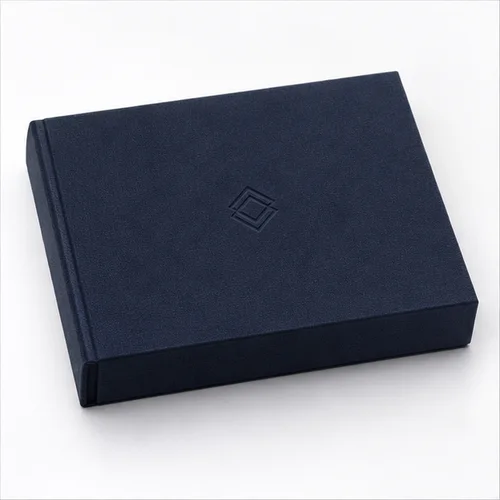
Rigid gift boxes · Hinged book box
Custom wrapping paper, colour and texture by sample
View structure & details →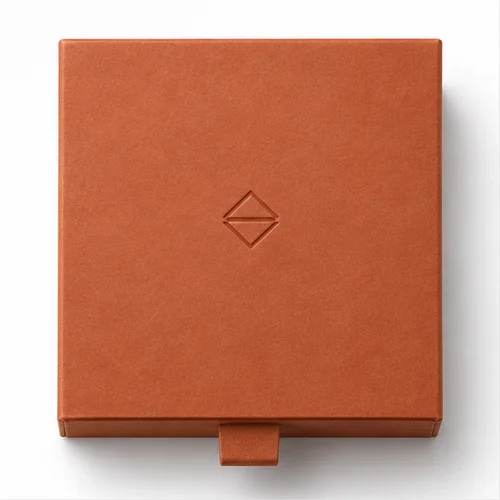
Rigid gift boxes · Drawer box
Custom wrapping paper, colour and texture by sample
View structure & details →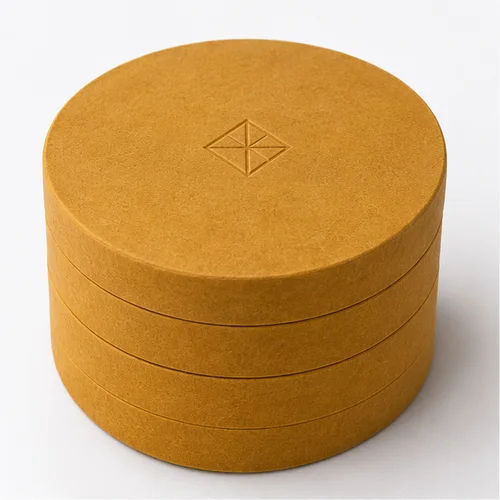
Rigid gift boxes · Round box
Custom wrapping paper, colour and texture by sample
View structure & details →Payment Options
Available for confirmed production orders.
Available for eligible payments.
Available payment methods may depend on order value, project stage and transaction arrangements confirmed with MTT Packaging.
 Bank Transfer
 PayPal