In this guide · 5 sections
- Let the buyer see the edge
- Compare a fitted recess with a removable tray
- Work from weighed samples
- Separate showroom handling from parcel approval
- Build the RFQ around the worst-fit piece
167 / Sample presentation procurement
Quick answer
Design the case around two different moments: carrying every tile upright and lifting one tile out on a meeting table. Record the heaviest piece, the most vulnerable edge and the surfaces the buyer needs to see. Approve the loaded handle, the pocket and the removal motion together before signing off on the outer finish.
 By Hugo He · Custom Packaging Consultant, MTT Packaging · Updated 2026-11-25

At a glance
Sourcing guide for building product manufacturers designing portable, protective presentation cases with removable ceramic and stone samples.
At a specification meeting, a designer may want to set one tile beside a worktop sample and inspect its edge profile. A glued display board makes that awkward. In a removable layout, show which end lifts first and leave room for fingers on a non-decorative edge. Keep the item code visible after removal so that two similar finishes can be returned to the correct pockets.
A fitted recess keeps a consistent showroom layout. A removable tray can travel from case to meeting table, but adds another interface that can shift during carrying. Mock up both with real pieces. Check whether the lid presses on a proud corner, whether two samples can touch after the case is turned upright, and whether dust from a cut edge transfers onto a polished face.
If ten actual samples each weigh 230 grams, the contents alone weigh 2.3 kilograms. Add the measured tray, handle, lid and hardware before specifying carrying performance. Removing two tiles from one side changes balance even though overall weight falls. Test both the fully loaded case and a partly emptied case while resting it on a counter; note whether the open lid or tray tips.
Lift each piece out and put it back without prying against a corner. Look for marks, particles and shifts at the pocket walls after representative handling. A case that passes this review may still need a separate outer carton and transport test for parcel distribution. Agree the distribution route, test method and acceptance criteria with the buyer before quoting any performance requirement.
Send measurements at the thickest and thinnest edges, unit weights, edge finishes and an annotated view of permitted contact points. Identify the largest footprint and most brittle profile, even if they belong to different tiles. Ask for separate line items for the insert, removable tray, case, branding and shipping outer so that a change in one component can be evaluated independently.
For format examples, see BD Box Design’s material sample kits. For the prototype review, see our packaging sampling guide.
From guide to product
Explore the opening, material and insert details for each design. These are options to review, not proof of a tested fit for your product.
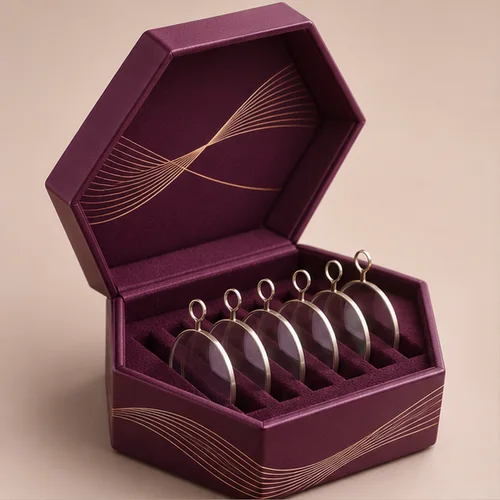
Corrugated packaging · Hexagonal box
Kraft liner
View structure & details →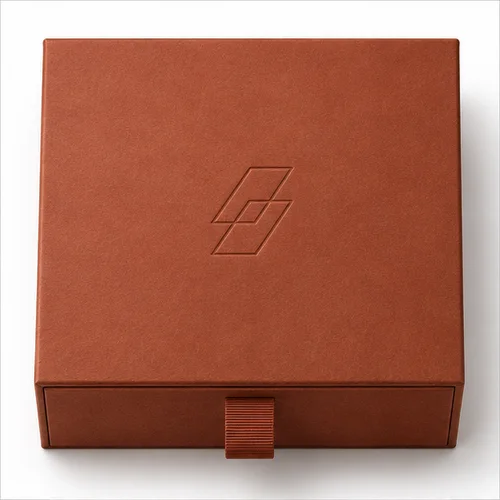
Rigid gift boxes · Drawer box
Custom wrapping paper, colour and texture by sample
View structure & details →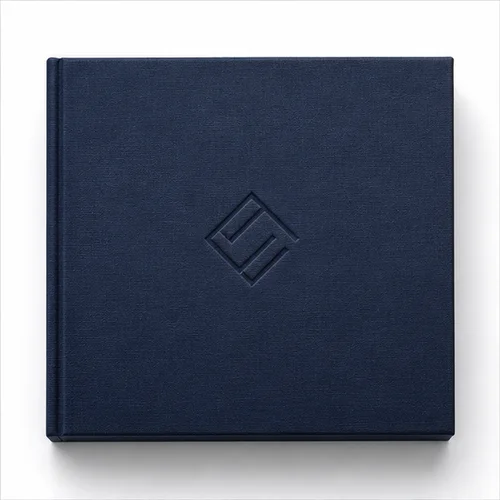
Rigid gift boxes · Hinged book box
Custom wrapping paper, colour and texture by sample
View structure & details →Payment Options
Available for confirmed production orders.
Available for eligible payments.
Available payment methods may depend on order value, project stage and transaction arrangements confirmed with MTT Packaging.
 Bank Transfer
 PayPal