In this guide · 5 sections
- Start with the missing colourway
- Compare the binding at the middle leaf
- Size the spine using the actual stack
- Count leaves and check the update in use
- What to send for a comparable bid
166 / Sample presentation procurement
Quick answer
Choose a binding after deciding who will update the book and where the replacement leaf sits. A post-bound spine can work for a stable range. If a showroom must change a fabric buried halfway through a thick volume, a ring mechanism or removable group of swatches deserves a hands-on comparison.
 By Hugo He · Custom Packaging Consultant, MTT Packaging · Updated 2026-11-25
At a glance
Strategic procurement guidance for contract textile brands sourcing refillable fabric swatch books and modular replacement leaf bindings.
Imagine a designer pulling a midnight-blue upholstery fabric from a library binder. The name still exists, but the replacement cloth has a different backing. A note on the cover may never reach the designer. Give each swatch or removable leaf a durable reference, record the effective revision, and include an explicit remove-and-replace instruction with the new sample.
On a screw-post prototype, time the complete operation: loosen the posts, keep the undisturbed leaves in order, replace the target and tighten again. A ring binder allows access at the target leaf but needs room for the rings to swing clear. With a waterfall display, replacing a group can simplify servicing; first check whether removing that group also removes colours that remain current.
A flat card mock-up misses pile, seams and folded edges. If four swatches share a leaf, four thick hems aligned in one corner can make the closed book wedge-shaped. Alternate mounting positions or split bulky fabrics across leaves, then close the assembled volume without forcing it. Leave the fabrics in the prototype and inspect for impressions from rings, screws or neighbouring hardware.
For example, three revised leaves for each of 120 libraries means 360 leaves in 120 sorted packets before spares. Include the target page order and a return or disposal instruction for the old leaves. In a trial changeover, ask the librarian to find the revised code, turn the leaf flat enough to compare it with another and return the book to its shelf.
Provide representative thick and thin fabrics, the mounted stack height, swatch dimensions, hole pattern if fixed, shelf depth and the maximum expected page count. Ask who cuts and mounts cloth, prints the reverse labels and collates updates. Approve the edge finish on each fabric family; inspection of one tightly woven sample tells little about an open weave.
For format examples, see Harris Sample Book’s textile sampling formats. For the prototype review, see our packaging sampling guide.
From guide to product
Explore the opening, material and insert details for each design. These are options to review, not proof of a tested fit for your product.
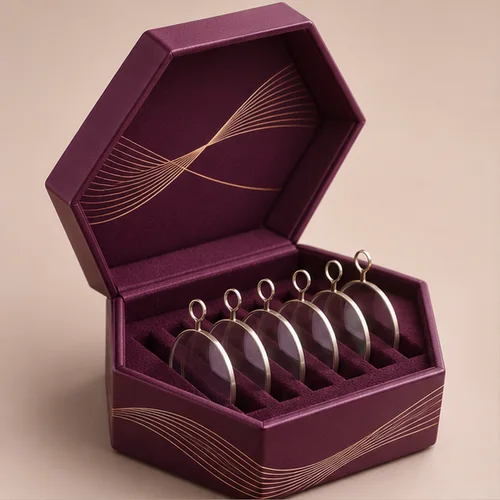
Corrugated packaging · Hexagonal box
Kraft liner
View structure & details →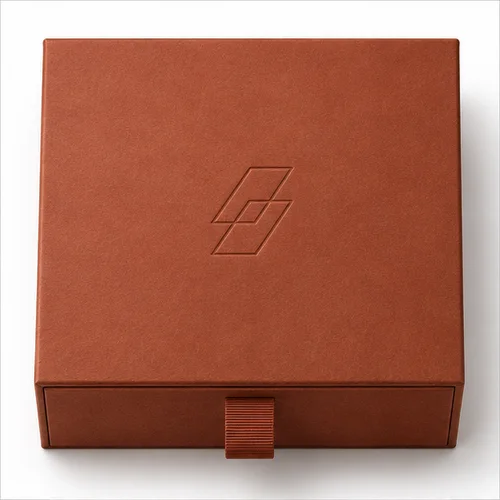
Rigid gift boxes · Drawer box
Custom wrapping paper, colour and texture by sample
View structure & details →
Rigid gift boxes · Hinged book box
Custom wrapping paper, colour and texture by sample
View structure & details →Payment Options
Available for confirmed production orders.
Available for eligible payments.
Available payment methods may depend on order value, project stage and transaction arrangements confirmed with MTT Packaging.
 Bank Transfer
 PayPal