In this guide · 4 sections
- Mark the load path at each end
- Check the complete folded closure
- Set separate fit and transport decisions
- What to include in the supplier brief
148 / Precision instrument packaging procurement
Quick answer
A machinist level can look securely packed from above while the lid bears on the vial cover. I would ask for a side elevation of the closed pack and the packed mass before pricing a folded-board concept. The end supports, the closure flaps and the outer shipping arrangement all affect that decision.
 By Hugo He · Custom Packaging Consultant, MTT Packaging · Updated 2026-11-24
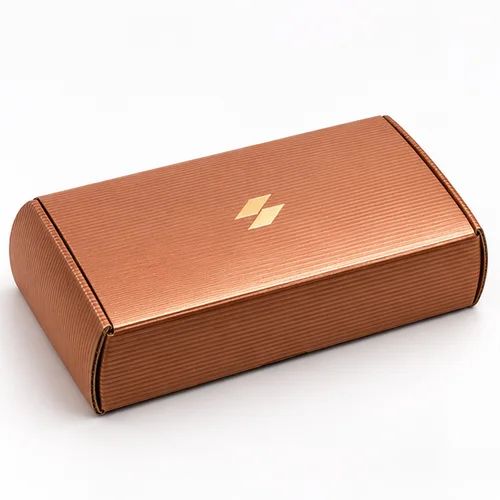
At a glance
Starrett describes its 98-8 with a cross-test vial as well as the main vial. Check the complete folded closure.
Starrett describes its 98-8 with a cross-test vial as well as the main vial. Obtain the actual profile and the manufacturer's permitted handling points. Identify which areas of the base must remain protected from rubbing. Draw the supports beneath approved surfaces and trace where their loads enter the bottom panel. A raised pad directly under a sensitive surface needs the instrument owner's approval.
A flat dieline hides several layers at the ends. Fold a production-intent board sample, install the end saddles and add the actual liner. Inspect the space above both vial covers with all flaps tucked. If an end flap intrudes, compare shortening the tuck with moving the saddle inward. The first can change closure security and the second can change bending or end restraint.
Use a representative weighted dummy for early handling checks. Look for end migration, saddle collapse and evidence of lid contact. Record the board grade, fold direction and outer carton used for the trial. Ask the instrument owner to define transport testing and post-transit functional acceptance before approving a shipping claim. A successful counter demonstration only answers the packout question.
Mark the approved contact areas and the surfaces that must remain clear on a drawing of the packed instrument. Identify who supplies protective covers, who packs the device and who signs off the loaded sample. Compare the machinist level folded-saddle mailer concept with the device owner’s approved transport packaging. Request separate prices for the presentation box, insert, sample and shipping outer.
Technical reference: Starrett 98-8 machinist level. Model-specific instructions take precedence. The buyer should specify the transport test and instrument acceptance criteria separately.
From guide to product
Explore the opening, material and insert details for each design. These are options to review, not proof of a tested fit for your product.
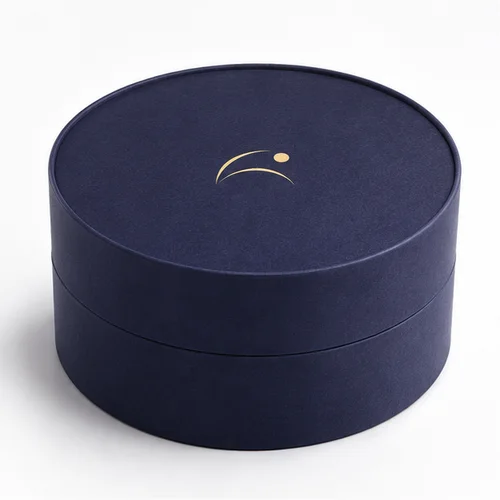
Rigid gift boxes · Round box
Custom wrapping paper, colour and texture by sample
View structure & details →Corrugated packaging · Roll-end mailer
Kraft liner
View structure & details →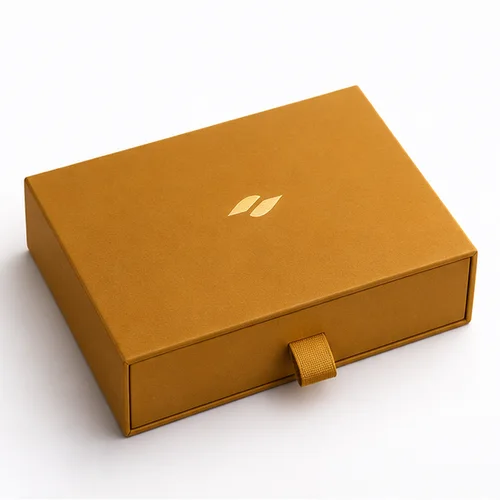
Rigid gift boxes · Drawer box
Custom wrapping paper, colour and texture by sample
View structure & details →Payment Options
Available for confirmed production orders.
Available for eligible payments.
Available payment methods may depend on order value, project stage and transaction arrangements confirmed with MTT Packaging.
 Bank Transfer
 PayPal