In this guide · 4 sections
- Measure the package the operator actually handles
- Give labels a stable reference
- Trial the mixed set and a missing piece
- What to include in the supplier brief
147 / Precision instrument packaging procurement
Quick answer
When a buyer sends three magnifications for a demonstration kit, I would ask for three packed profiles. Magnification identifies an optical choice. It leaves the cap, tube, shoulder and grip dimensions open. In a round case there is a second decision: whether the removable tray needs a fixed orientation relative to the printed legend.
 By Hugo He · Custom Packaging Consultant, MTT Packaging · Updated 2026-11-24
At a glance
Nikon publishes objective families with different mounting threads. Give labels a stable reference.
Nikon publishes objective families with different mounting threads. If the customer supplies protective capsules, capture the outside dimensions of each closed capsule, the lid profile and the location of its joint. A well that grips the cap can leave the body behind when lifted. Agree with the owner where retention is allowed and whether the packer installs each capsule upright.
A printed lid legend is easy to read in a mock-up, but a loose circular lid can be replaced at any angle. Put each identifier on the tray beside its well, or key both the legend and tray to a common feature. Lay out the largest capsule first. Check that a hand removing it avoids the neighbouring cap and can still read the other two identifiers.
Load the intended three parts and ask a colleague to retrieve a specified item using only the approved labels. Repeat with one pocket empty and reinsert the tray after turning it. If the identifiers can point to a different well, move the labels before tooling. Record permitted substitutions by packed diameter and height, with a separate approval for any change of protective capsule.
Mark the approved contact areas and the surfaces that must remain clear on a drawing of the packed instrument. Identify who supplies protective covers, who packs the device and who signs off the loaded sample. Compare the capped microscope objective trio drum box concept with the device owner’s approved transport packaging. Request separate prices for the presentation box, insert, sample and shipping outer.
Technical reference: Nikon microscope component drawings. Model-specific instructions take precedence. The buyer should specify the transport test and instrument acceptance criteria separately.
From guide to product
Explore the opening, material and insert details for each design. These are options to review, not proof of a tested fit for your product.
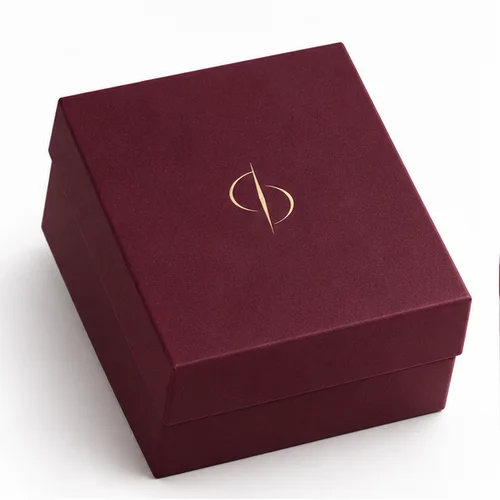
Rigid gift boxes · Lift-off lid
Custom wrapping paper, colour and texture by sample
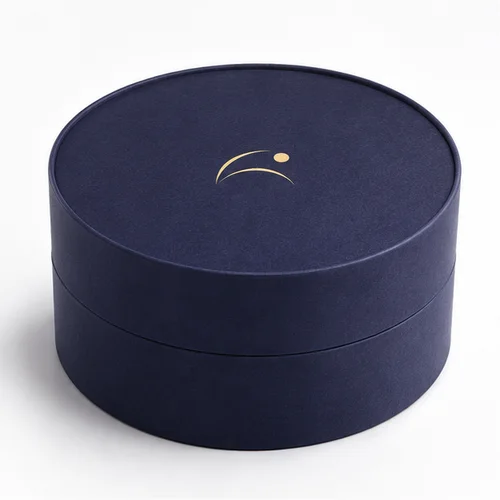
View structure & details →Rigid gift boxes · Round box
Custom wrapping paper, colour and texture by sample
View structure & details →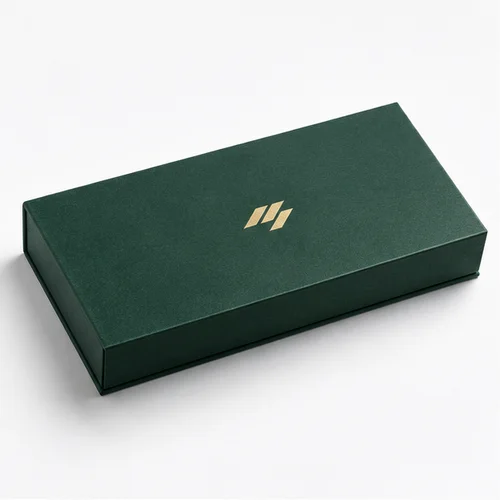
Rigid gift boxes · Hinged book box
Custom wrapping paper, colour and texture by sample
View structure & details →Payment Options
Available for confirmed production orders.
Available for eligible payments.
Available payment methods may depend on order value, project stage and transaction arrangements confirmed with MTT Packaging.
 Bank Transfer
 PayPal