In this guide · 4 sections
- Build the packing list around the sellable kit
- Show the identifier while the sleeve is seated
- Load both extremes and operate the drawer
- What to include in the supplier brief
136 / Medical instrument packaging procurement
Quick answer
A distributor may order the same recorder housing in several kit configurations. A tray that accepts all of them can still allow the wrong lead set to leave the packing bench. Decide which identifier the operator must see before closure, and sample both the fullest and sparsest kit before approving a shared drawer.
 By Hugo He · Custom Packaging Consultant, MTT Packaging · Updated 2026-11-23
At a glance
Start with the device model and accessory part numbers, then identify items supplied separately. Show the identifier while the sleeve is seated.
Start with the device model and accessory part numbers, then identify items supplied separately. A recorder-only order and a distributor starter kit may share a housing but need different contents lists. Midmark’s published example distinguishes these configurations. Use your own current bill of materials to decide which compartments need a visual count check.
A printed outline cannot distinguish two similar cables. Place the supplier label face up, or give the sleeve a window that exposes the existing identifier without altering the device packaging. Ask a second person to identify the variant with the recorder still seated. If they have to unpack it, change the label position before artwork approval.
The thickest folded harness can catch the sleeve mouth. The thinnest can move into the recorder cavity if a common divider stops short. Trial both configurations using their actual folded leads and inserts. Record loaded drawer travel and whether the identifier stays visible after normal handling. Quote common tooling and a variant-specific divider separately, including packing labour.
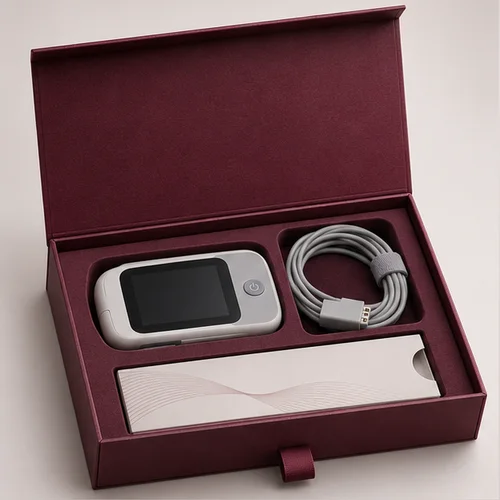
Mark the approved contact areas and the surfaces that must remain clear on a drawing of the packed instrument. Identify who supplies protective covers, who packs the device and who signs off the loaded sample. Compare the holter ecg recorder and lead-set drawer box concept with the device owner’s approved transport packaging. Request separate prices for the presentation box, insert, sample and shipping outer.
Technical reference: Midmark Holter kit and recorder contents. Model-specific instructions take precedence. This article addresses secondary packaging for new equipment and makes no sterile-barrier or clinical-use claim.
From guide to product
Explore the opening, material and insert details for each design. These are options to review, not proof of a tested fit for your product.
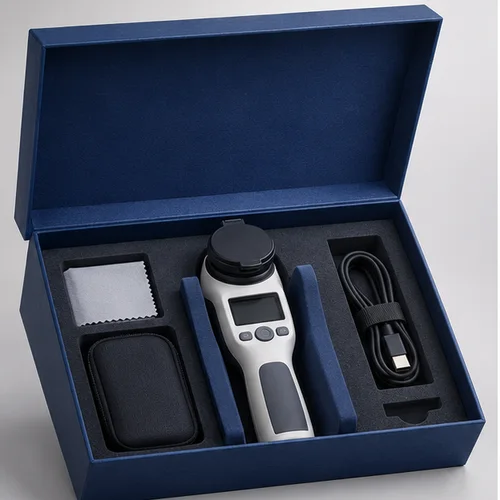
Rigid gift boxes · Lift-off lid
Custom wrapping paper, colour and texture by sample
View structure & details →Rigid gift boxes · Drawer box
Custom wrapping paper, colour and texture by sample
View structure & details →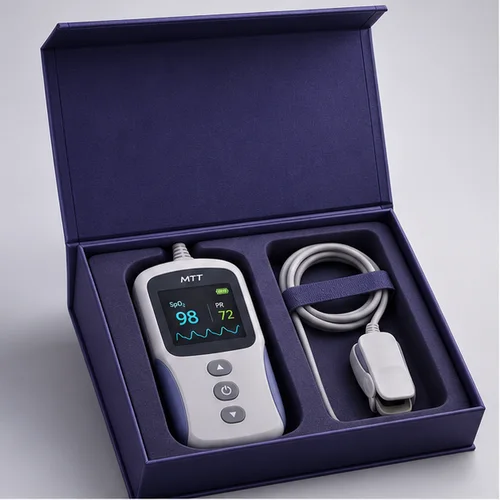
Rigid gift boxes · Hinged book box
Custom wrapping paper, colour and texture by sample
View structure & details →Payment Options
Available for confirmed production orders.
Available for eligible payments.
Available payment methods may depend on order value, project stage and transaction arrangements confirmed with MTT Packaging.
 Bank Transfer
 PayPal