In this guide · 4 sections
- Draw the forbidden contact area in section
- Test the hand path before approving the shoulder
- Decide who signs off after transit
- What to include in the supplier brief
135 / Medical instrument packaging procurement
Quick answer
An instrument can look secure from above while the lid bears on the part you meant to protect. For a lensmeter presentation sample, establish the permitted support faces with the device owner, then draw the free space around the optical head and any fitted cover. Include the actual removal motion in the review.
 By Hugo He · Custom Packaging Consultant, MTT Packaging · Updated 2026-11-23
At a glance
An outline viewed from above hides the height of a cap, eyepiece or adjustment knob. Test the hand path before approving the shoulder.
An outline viewed from above hides the height of a cap, eyepiece or adjustment knob. Request a side elevation and the approved shipping position of moving parts. A cap may shield a surface without being rated to carry lid pressure. Mark it separately from the load-bearing chassis on the supplier drawing.
A deep nest may stop the instrument leaning yet force the user to grasp the optical assembly. On a dummy load, try lifting from both sides of the base. If fingers cannot reach, compare side recesses with a removable platform supported under the chassis. Test the platform with the actual mass before choosing it.
Specify the outer shipper and orientation separately from the presentation box. Ask the device owner to define the inspection or functional comparison after transport. The NHANES manual documents a model-specific packing sequence; obtain the equivalent for your unit before reproducing a fixture. Record model revision, cap configuration and sample photos with the approved drawing.
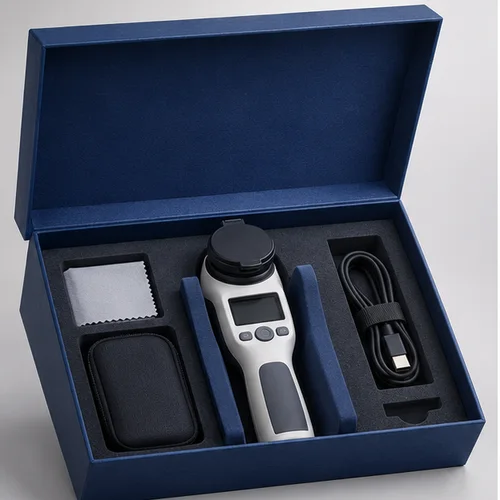
Mark the approved contact areas and the surfaces that must remain clear on a drawing of the packed instrument. Identify who supplies protective covers, who packs the device and who signs off the loaded sample. Compare the portable lensmeter lift-off presentation box concept with the device owner’s approved transport packaging. Request separate prices for the presentation box, insert, sample and shipping outer.
Technical reference: NHANES instrument packing procedure. Model-specific instructions take precedence. This article addresses secondary packaging for new equipment and makes no sterile-barrier or clinical-use claim.
From guide to product
Explore the opening, material and insert details for each design. These are options to review, not proof of a tested fit for your product.
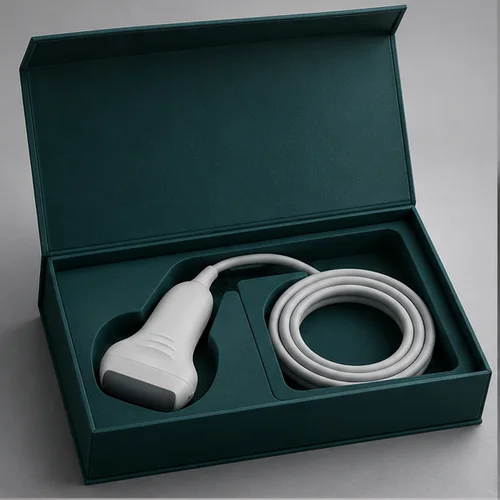
Rigid gift boxes · Hinged book box
Custom wrapping paper, colour and texture by sample
View structure & details →Rigid gift boxes · Lift-off lid
Custom wrapping paper, colour and texture by sample
View structure & details →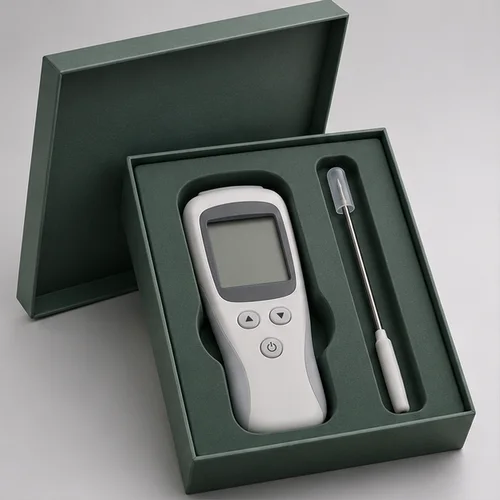
Rigid gift boxes · Lift-off lid
Custom wrapping paper, colour and texture by sample
View structure & details →Payment Options
Available for confirmed production orders.
Available for eligible payments.
Available payment methods may depend on order value, project stage and transaction arrangements confirmed with MTT Packaging.
 Bank Transfer
 PayPal