In this guide · 4 sections
- Separate gauge from the pack count
- Calculate height from full envelopes
- Try a missing-gauge exercise at the packing bench
- What to include in the supplier brief
157 / Musical accessory packaging procurement
Quick answer
A musician opening a sampler may want to compare two gauges and return each pick to its place. A tube full of loose picks gives the packer a fast fill but leaves the player sorting them on a table. Build the packaging brief around how the customer will identify and replace a single pick after opening.
 By Hugo He · Custom Packaging Consultant, MTT Packaging · Updated 2026-11-25
At a glance
Dunlop's standard range includes several gauges and variety packs. Calculate height from full envelopes.
Dunlop's standard range includes several gauges and variety packs. Ask for the approved assortment by part number, thickness, finish and count. Two picks with a similar outline can belong to different variants. Print a readable gauge identifier on each envelope where it remains visible in the carrier, and keep counts on the packer's bill of materials.
An empty envelope is almost flat. A stack filled with picks, adhesive closures and folded seams can be thicker on one side. Assemble the full set on a flat surface and measure at the tallest edge. Turn alternate seams only if the identifiers remain visible. Compare a short lift-out carrier with a simple pull band using the heaviest configuration.
Remove one envelope from a dummy assortment and ask a second person to identify the gap using the proposed loading sequence. A coloured tube label can describe the set without proving the contents. Provide an independent count or slot identifier if variants can be interchanged. Test the return action too: a player should be able to replace one envelope without emptying the tube.
Mark the approved contact areas and the surfaces that must remain clear on a drawing of the packed accessory or its supplied case. Identify who supplies protective covers, who loads the retail set and who signs off the loaded sample. Compare the guitar pick assortment presentation tube concept with the outer carton specified for your distribution route. Request separate prices for the presentation box, insert, sample and shipping outer.
Technical reference: Dunlop pick gauges and variety packs. Model-specific instructions take precedence. The buyer should specify the transport test and arrival inspection separately.
From guide to product
Explore the opening, material and insert details for each design. These are options to review, not proof of a tested fit for your product.
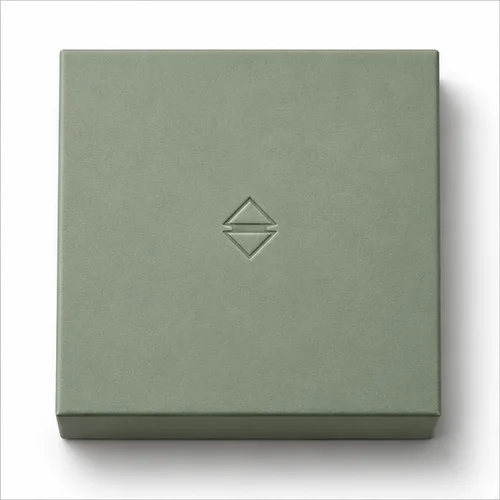
Rigid gift boxes · Lift-off lid
Custom wrapping paper, colour and texture by sample
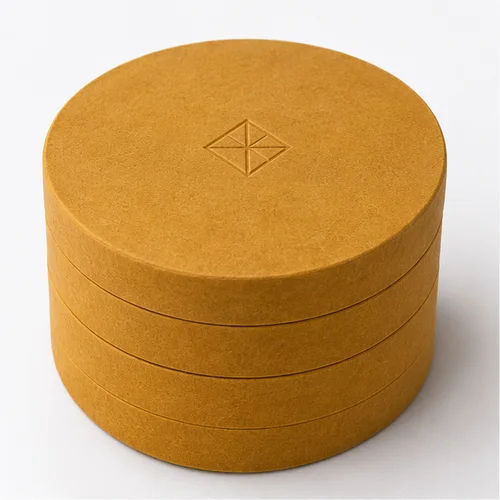
View structure & details →Rigid gift boxes · Round box
Custom wrapping paper, colour and texture by sample
View structure & details →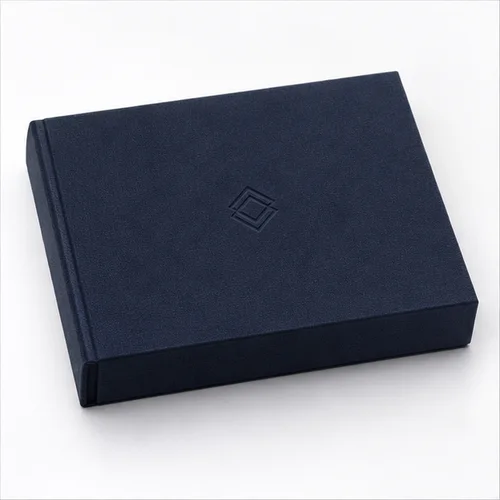
Rigid gift boxes · Hinged book box
Custom wrapping paper, colour and texture by sample
View structure & details →Payment Options
Available for confirmed production orders.
Available for eligible payments.
Available payment methods may depend on order value, project stage and transaction arrangements confirmed with MTT Packaging.
 Bank Transfer
 PayPal