In this guide · 4 sections
- Choose a reference the packer can see
- Keep the lid from acting as a wrench
- Inspect the two wells independently
- What to include in the supplier brief
141 / Medical instrument packaging procurement
Quick answer
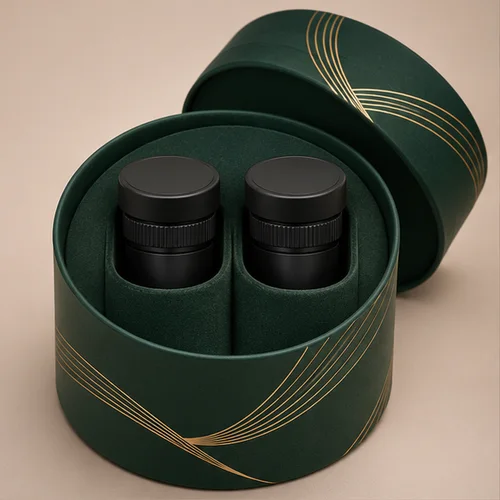
A round box has no corner to tell the packer which way is up. If two eyepieces need distinct positions, start with the identification and pickup motion before deciding how tightly the insert should fit. A removable disc and a fixed orientation mark serve different purposes; test what happens when the cap is turned.
 By Hugo He · Custom Packaging Consultant, MTT Packaging · Updated 2026-11-23
At a glance
Plan barrel support, finger access and insert orientation for a pair of capped slit-lamp eyepieces in a round presentation box.
Place the capped components on a full-size circle. Give each position a readable identifier tied to the actual kit list. Where the oculars are interchangeable, avoid implying a clinical left or right assignment. Where serial numbers must remain associated, check that the identifier can be verified without turning the instrument by its adjustment ring.
A deep slip lid may turn slightly as it comes off. On a surrogate mark the angular position of the tray, close the box, then remove the lid as a recipient would. If the insert turns, decide whether a keyed underside or a fixed base label is more appropriate. Increasing friction at the instrument itself can make removal worse.
Haag-Streit documents adjustable ocular rings for its BI 900. Obtain the actual model drawing and approved barrel contact points. Sample the tallest capped item and the smallest barrel in each well. Check that fingers can grip an approved surface and that removing the first item leaves the other seated. Quote the drum and a rectangular two-well alternative against the same packed parts and shipper footprint.
Mark the approved contact areas and the surfaces that must remain clear on a drawing of the packed instrument. Identify who supplies protective covers, who packs the device and who signs off the loaded sample. Compare the slit lamp eyepiece pair drum box concept with the device owner’s approved transport packaging. Request separate prices for the presentation box, insert, sample and shipping outer.
Technical reference: Haag-Streit BI 900 instructions. Model-specific instructions take precedence. This article addresses secondary packaging for new equipment and makes no sterile-barrier or clinical-use claim.
From guide to product
Explore the opening, material and insert details for each design. These are options to review, not proof of a tested fit for your product.
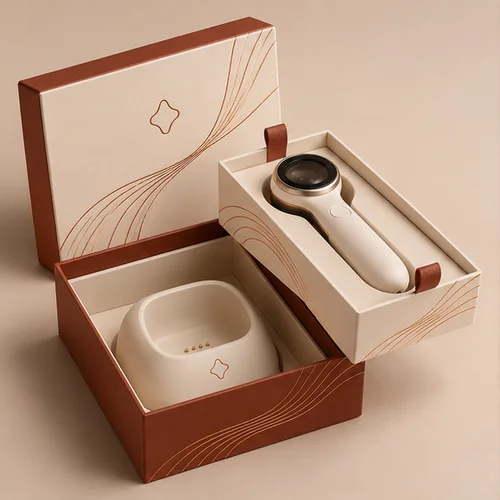
Rigid gift boxes · Tiered box
Custom wrapping paper, colour and texture by sample
View structure & details →Rigid gift boxes · Round box
Custom wrapping paper, colour and texture by sample
View structure & details →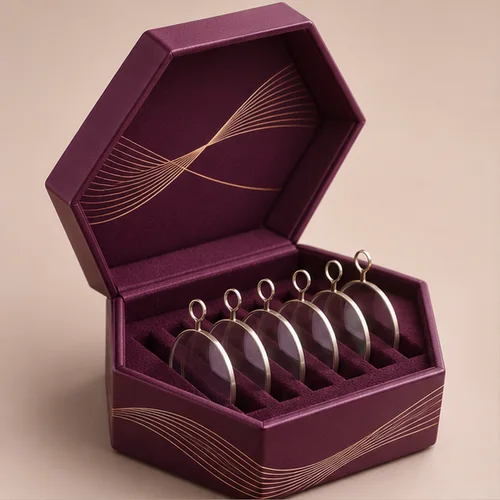
Corrugated packaging · Hexagonal box
Kraft liner
View structure & details →Payment Options
Available for confirmed production orders.
Available for eligible payments.
Available payment methods may depend on order value, project stage and transaction arrangements confirmed with MTT Packaging.
 Bank Transfer
 PayPal