In this guide · 3 sections
- Compare the four packaging print processes
- Control color consistency across runs
- Pair print choice with our custom carton line
171 / Packaging print production
Quick answer
Offset lithography is the standard print method for 1,000+ custom folding cartons and rigid box wraps because it delivers sharp 300+ dpi halftones, tight ISO 12647 CMYK tolerances, and true Pantone spot inks at low plate cost. Digital printing suits short runs or multi-SKU versioning under ~500 units per design, while flexography serves direct-print corrugated shippers and gravure is reserved for ultra-high-volume flexible films.
 By Hugo He · Custom Packaging Consultant, MTT Packaging · Updated 2026-11-26
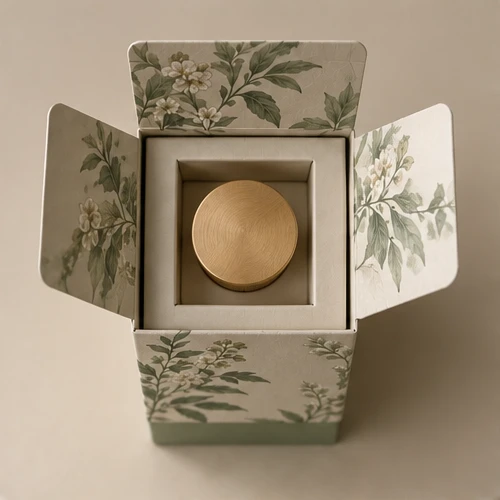
At a glance
Compare offset, digital, flexographic, and gravure printing for custom boxes: MOQ breakpoints, plate tooling, ISO 12647 color accuracy, and substrates.
| Print method | Typical MOQ & tooling | Color & detail | Best packaging application |
|---|---|---|---|
| Sheetfed Offset | 1,000+ pcs; low aluminum plate cost | Highest sharpness, true Pantone spot ink, ISO 12647 control | Folding cartons, rigid box wraps, Euro totes, inserts |
| Digital Press | 50–500 pcs; zero plate tooling | Good CMYK, no true metallic/spot Pantone ink | Pre-launch prototypes, variable QR/lot runs, small multi-SKU |
| Flexographic | 1,000–5,000+ pcs; polymer plate per color | Lower screen ruling on rough kraft; water-based inks | Direct-print corrugated shippers, kraft tape, poly mailers |
| Rotogravure | 50,000+ pcs; expensive engraved cylinders | Very consistent heavy ink laydown at high speed | Long-run flexible pouches, shrink sleeves, roll labels |
Under ISO 12647-2 offset standards, press operators measure solid ink density and dot gain on coated (C) versus uncoated (U) substrates. If your brand uses a rigid box wrap laminated with matte BOPP alongside a raw kraft outer shipper, specify coated Pantone swatches for the laminated wrap and uncoated swatches for the kraft box. Review file setup rules in our CMYK vs. spot color guide and dieline artwork setup checklist.
For multi-finish folding cartons that combine offset CMYK, Pantone brand solids, hot foil stamping, and spot UV, review our custom foil-stamped folding carton specification before locking your print brief.
Sheetfed offset lithography is the primary choice at 1,000+ pieces per design. It prints crisp fine typography, smooth gradients, and exact Pantone spot inks on 128–157 gsm wrap paper and 300–400 gsm folding carton board.
Choose flexographic printing for high-volume corrugated shipping cartons (1- or 2-color logos and handling icons printed directly on kraft linerboard) where litho-laminated gloss wraps are unnecessary.
Digital CMYK+ presses approximate Pantone colors via process ink builds rather than true solid spot ink, so neon, metallic, or strict brand-critical Pantone shades should be proofed on offset or matched with a Pantone drawdown.
From guide to product
Explore the opening, material and insert details for each design. These are options to review, not proof of a tested fit for your product.
Folding cartons · Tuck-end carton
Sheetfed offset CMYK + Pantone spot ink directly on coated board face
View structure & details →Folding cartons · Tuck-end carton
Direct print on paperboard
View structure & details →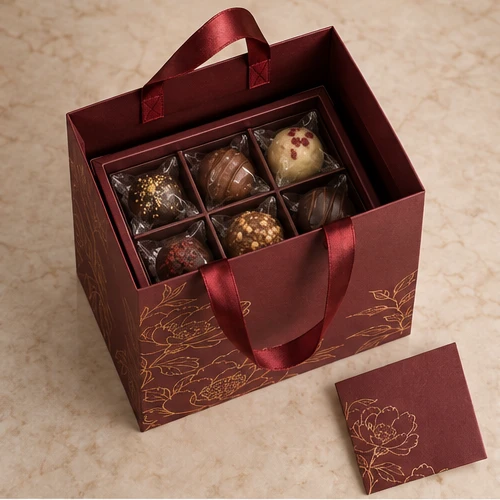
Custom paper bags · Ribbon-handle bag
Uncoated specialty or matte-laminated C1S art paper; confirmed by sample
View structure & details →Payment Options
Available for confirmed production orders.
Available for eligible payments.
Available payment methods may depend on order value, project stage and transaction arrangements confirmed with MTT Packaging.
 Bank Transfer
 PayPal