In this guide · 4 sections
- Measure each closed case at the thickest point
- Decide which case the buyer can lift first
- Set a sign-off condition for mixed sets
- What to include in the supplier brief
150 / Photography accessory packaging procurement
Quick answer
A buyer sends a list of three filter thread sizes. I can start a layout from that list, but I would price the divider after seeing the closed cases. A hinge, latch or raised label can set the slot width even when all three filters have the same nominal diameter.
 By Hugo He · Custom Packaging Consultant, MTT Packaging · Updated 2026-11-24
At a glance
Nikon lists screw-on filters by size. Decide which case the buyer can lift first.
Nikon lists screw-on filters by size. Those designations help identify the filter but do not specify a supplier's retail case. Record the width across the latch, the thickness at the hinge, and the direction of the label. Trace a case standing on its intended edge. Use the largest measured envelope when evaluating a common slot.
Test removal of the middle case while the two outer cases remain loaded. A deep divider supports the cases yet can hide their labels or block a pinch grip. Try scalloping the divider near the label while retaining full support lower down. Compare the result with shorter dividers using the same three loaded cases.
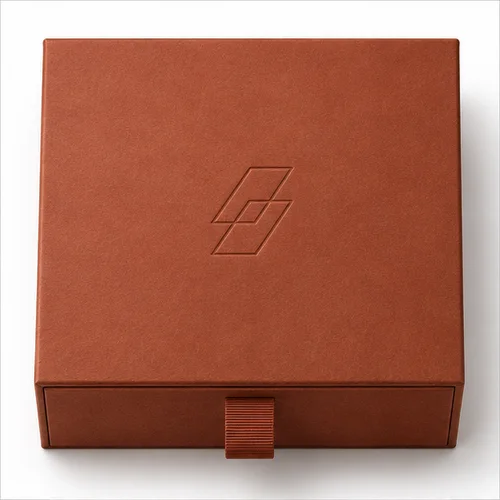
If two versions share one carton, photograph both packouts with the drawer partly open. Ask a second person to identify each filter without opening its case. Then pull the drawer to its normal limit and check for case tilt and sleeve contact. Quote a keyed divider separately if a shared layout permits a part to be loaded in the wrong position.
Mark the approved contact areas and the surfaces that must remain clear on a drawing of the packed instrument. Identify who supplies protective covers, who packs the device and who signs off the loaded sample. Compare the camera filter trio drawer box concept with the device owner’s approved transport packaging. Request separate prices for the presentation box, insert, sample and shipping outer.
Technical reference: Nikon filter size listings. Model-specific instructions take precedence. The buyer should specify the transport test and instrument acceptance criteria separately.
From guide to product
Explore the opening, material and insert details for each design. These are options to review, not proof of a tested fit for your product.
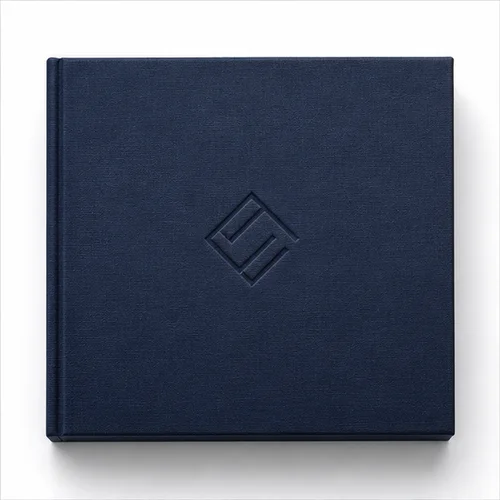
Rigid gift boxes · Hinged book box
Custom wrapping paper, colour and texture by sample
View structure & details →Rigid gift boxes · Drawer box
Custom wrapping paper, colour and texture by sample
View structure & details →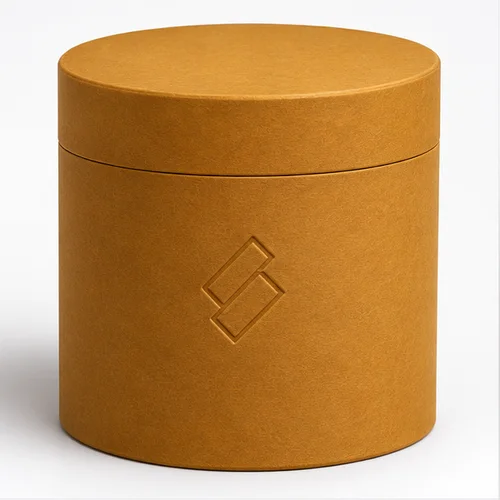
Rigid gift boxes · Round box
Custom wrapping paper, colour and texture by sample
View structure & details →Payment Options
Available for confirmed production orders.
Available for eligible payments.
Available payment methods may depend on order value, project stage and transaction arrangements confirmed with MTT Packaging.
 Bank Transfer
 PayPal